Appliance & electronics support
Find your model numberAbout our sources
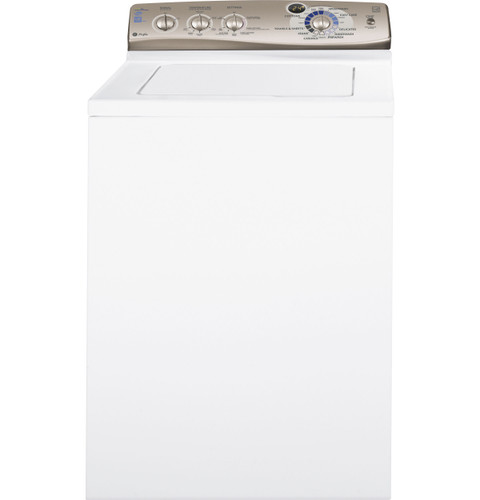
GE Profile PTWN6250M washer — manufacturer product image
Photo: PTWN6250MWT white variant. Shared source photo. Photo source
Manufacturer sources

GE Profile PTWN6250M

Poor performance

Washing machine · US market · 48 owner topics

GE Profile PTWN6250M / PTWN6250MWT HydroWave Infusor washer

Covers PTWN6250M and the manufacturer-listed models in this family.

GE Profile PTWN6250M / PTWN6250MWT HydroWave Infusor washer

PTWN6250M / PTWN6250MWT: improve cleaning and rinsing with Infusor loading

GE designed the HydroWave/Infusor washer to use less water than a traditional top-loader. Water need not cover the clothes. Cleaning depends on load size and placement, HE detergent amount, cycle choice and dispenser use. The troubleshooting tables link wet loads, spots, graying, yellowing and lint to these factors.

Change one factor at a time and follow garment care labels.

Load loosely and sort

Load dry items loosely around the outside of the Infusor. Do not place sheets, blankets or towels across it. Overloading harms performance. Sort colors, soil, fabric type and lint behavior; separate lint producers from lint collectors.

Dose HE detergent

Use HE detergent and label directions. Too much detergent can oversuds and negatively affect performance. Use less for soft water, small loads and light soil. For undissolved detergent, GE suggests adding it to the basket before clothes, trying liquid detergent, or selecting warmer water if fabric care permits.

Match cycle and options

Cottons is the general everyday cycle; Speed is for small, lightly soiled loads; Delicates and Hand Wash use slower spin; PreWash addresses surface dirt and should be followed by a regular cycle. Auto Soak, Second Rinse and Extended Spin are “on some models”; use only if your panel includes them.

Use temperature and dispensers correctly

PerfecTemp senses incoming water and adjusts the fill range. Some warm water may be added on a COLD wash; PerfecTemp is inactive during cold rinse. For softener, use the Infusor cup and select FABRIC SOFTENER; do not use dispensing balls. The bleach funnel is for measured liquid chlorine bleach, not powdered bleach.

Interpret common results

Colored spots can follow softener misuse; use its dispenser and option. Graying/yellowing can involve hard water, detergent amount, hot-water delivery, overloading or undissolved detergent. Wet clothes can reflect slow-spin cycles or imbalance. Persistent results despite correcting those factors may merit service.

Treat stains, residue and wetness as different complaints

For colored spots, the manual suggests checking softener directions, selecting the Fabric Softener option and pretreating/re-washing; dye transfer calls for sorting whites/light colors from dark colors. For graying or yellowing it points to detergent quantity, hard water, heater delivery, overloading and detergent dissolving. Lint can result from sorting and from air drying.

These causes call for different adjustments. Do not raise wash temperature if garment labels prohibit it; do not add more detergent to an oversudsing load. Loose loading around the basket perimeter and a suitable cycle are the design-specific starting points. Persistent poor washing with correct loading and products may warrant service.

Use the detergent label and water conditions

The manual says HE detergent is formulated for low-water wash/rinse systems and reduces oversudsing associated with regular detergent. Follow the label amount for the washer’s load and water condition; excessive detergent negatively affects performance. When detergent does not dissolve, GE suggests adding it before clothes, trying a liquid formula, or using warmer water when fabric care allows.

Adjust one likely cause at a time

For a performance complaint, avoid changing detergent, cycle and temperature simultaneously. If residue appears, first review detergent amount and dissolution. If the load is wet, check cycle spin choice and balance. If spots appear, review softener use and color sorting. This follows the troubleshooting chart’s separate cause lists and makes it easier to tell whether a change helped. Use garment care labels when changing temperature or cycle; some fabrics should not receive a hotter wash or faster spin.

Water does not cover clothes

Low level is normal with Infusor

Do not add water; check loading and detergent.

Colored spots after cycle

Softener use or dye transfer may be involved

Follow dispenser directions and sort colors.

Lint remains on air-dried clothes

Drying method may leave more lint

Sort lint producers and collectors.

Specifications & model details

PTWN6250M: model-specific checks

Start with this washer’s layout

GE Profile PTWN6250M is listed as Top-Loading high-efficiency. For this recorded top-loading GE Profile design, place the first inspection at the lid, basket rim, fitted dispenser and the visible fill/drain connections. For a spin complaint, separate retained water from an uneven load, then check the selected cycle and lid state. Keep clothing loose enough to move; an agitator, impeller or automatic-fill procedure needs its own feature match.

Interpret the spin rating correctly

GE Profile PTWN6250M lists a maximum spin speed of 700 RPM. That maximum is not a promise for every program or load. Compare the selected spin option and load balance before interpreting a lower observed speed as a motor fault. Save the exact code and cycle name if the machine stops.

Recorded model facts

Model details relevant to this topic

SpecificationRecorded valueEvidence
DOE capacity3.6 cu ft
Manufacturer
GE Profile PTWN6250M — specs

Exact-model manufacturer resource; Specification 260192, revised 4/11, pp. 1–2; explicit base and finish listing

GE specification 260192, revised 4/11, titles the base PTWN6250M and explicitly lists finish model PTWN6250MWT. Base/retail relationship is documented here; no other suffix or serial range is inferred. Specification 260192, revised 4/11, pp. 1–2; explicit base and finish listing

Observed Oct 27, 2026

Other observations retained:

3.7 cu ft — California Energy Commission — Washing machines archive; cec-washers.xlsx; sheet ClothesWashers_12022025; row 4128

Cancel cycleHold Start for 3 seconds
Manufacturer
GE Profile PTWN6250M — owner

Exact-model manufacturer resource; Owner manual 49-90400-1, 07/06/10; pp. 1, 4–7, 9

GE specification 260192, revised 4/11, titles the base PTWN6250M and explicitly lists finish model PTWN6250MWT. Base/retail relationship is documented here; no other suffix or serial range is inferred. Owner manual 49-90400-1, 07/06/10; pp. 1, 4–7, 9

Observed Oct 27, 2026
Electronics restart wait2 minutes
Manufacturer
GE Profile PTWN6250M — owner

Exact-model manufacturer resource; Owner manual 49-90400-1, 07/06/10; pp. 1, 4–7, 9

GE specification 260192, revised 4/11, titles the base PTWN6250M and explicitly lists finish model PTWN6250MWT. Base/retail relationship is documented here; no other suffix or serial range is inferred. Owner manual 49-90400-1, 07/06/10; pp. 1, 4–7, 9

Observed Oct 27, 2026
Maximum spin speed700 RPM
Manufacturer
GE Profile PTWN6250M — specs

Exact-model manufacturer resource; Specification 260192, revised 4/11, pp. 1–2; explicit base and finish listing

GE specification 260192, revised 4/11, titles the base PTWN6250M and explicitly lists finish model PTWN6250MWT. Base/retail relationship is documented here; no other suffix or serial range is inferred. Specification 260192, revised 4/11, pp. 1–2; explicit base and finish listing

Observed Oct 27, 2026
Suds-saving capability in archiveFalse
Archive
California Energy Commission — Washing machines archive

cec-washers.xlsx; sheet ClothesWashers_12022025; row 4128

Regulatory archive observation; test standard and measurement context follow the original record.

Observed Oct 27, 2026
Temperature systemPerfecTemp; Tap Cold bypasses temperature regulation
Manufacturer
GE Profile PTWN6250M — owner

Exact-model manufacturer resource; Owner manual 49-90400-1, 07/06/10; pp. 1, 4–7, 9

GE specification 260192, revised 4/11, titles the base PTWN6250M and explicitly lists finish model PTWN6250MWT. Base/retail relationship is documented here; no other suffix or serial range is inferred. Owner manual 49-90400-1, 07/06/10; pp. 1, 4–7, 9

Observed Oct 27, 2026
Unheated rinse option in archiveTrue
Archive
California Energy Commission — Washing machines archive

cec-washers.xlsx; sheet ClothesWashers_12022025; row 4128

Regulatory archive observation; test standard and measurement context follow the original record.

Observed Oct 27, 2026
Wash mechanismInfusor
Manufacturer
GE Profile PTWN6250M — specs

Exact-model manufacturer resource; Specification 260192, revised 4/11, pp. 1–2; explicit base and finish listing

GE specification 260192, revised 4/11, titles the base PTWN6250M and explicitly lists finish model PTWN6250MWT. Base/retail relationship is documented here; no other suffix or serial range is inferred. Specification 260192, revised 4/11, pp. 1–2; explicit base and finish listing

Observed Oct 27, 2026
Wash programsCottons, Prewash, Casuals, Easy Care, Delicates, Hand Wash, Speed, Drain & Spin, Towels & Sheets, Jeans, Quick Rinse
Manufacturer
GE Profile PTWN6250M — owner

Exact-model manufacturer resource; Owner manual 49-90400-1, 07/06/10; pp. 1, 4–7, 9

GE specification 260192, revised 4/11, titles the base PTWN6250M and explicitly lists finish model PTWN6250MWT. Base/retail relationship is documented here; no other suffix or serial range is inferred. Owner manual 49-90400-1, 07/06/10; pp. 1, 4–7, 9

Observed Oct 27, 2026
Wash systemHydroWave with Infusor
Manufacturer
GE Profile PTWN6250M — specs

Exact-model manufacturer resource; Specification 260192, revised 4/11, pp. 1–2; explicit base and finish listing

GE specification 260192, revised 4/11, titles the base PTWN6250M and explicitly lists finish model PTWN6250MWT. Base/retail relationship is documented here; no other suffix or serial range is inferred. Specification 260192, revised 4/11, pp. 1–2; explicit base and finish listing

Observed Oct 27, 2026
Washer controlsAutomatic
Archive
California Energy Commission — Washing machines archive

cec-washers.xlsx; sheet ClothesWashers_12022025; row 4128

Regulatory archive observation; test standard and measurement context follow the original record.

Observed Oct 27, 2026
Water fillPreciseFill automatic load sensing
Manufacturer
GE Profile PTWN6250M — specs

Exact-model manufacturer resource; Specification 260192, revised 4/11, pp. 1–2; explicit base and finish listing

GE specification 260192, revised 4/11, titles the base PTWN6250M and explicitly lists finish model PTWN6250MWT. Base/retail relationship is documented here; no other suffix or serial range is inferred. Specification 260192, revised 4/11, pp. 1–2; explicit base and finish listing

Observed Oct 27, 2026
More background: Poor performance

Category & symptom guidance

Poor performance

Name the performance problem

Separate visible soil left on fabric from detergent residue, lint transfer, color bleeding, odor, and clothes that remain too wet. Each points to a different combination of cycle choice, load size, product amount, water conditions, or drainage. Note whether the problem affects every load or only one fabric type or cycle.

Compare similar loads using the care labels and the washer’s intended cycle. A delicate cycle may clean gently but not provide the same wash action as a regular soil-removal cycle. Avoid adding more detergent as the first response; too much can cause suds and interfere with rinsing.

Tune loading and detergent

Load items loosely so water and wash action can reach them. On an agitator top-loader, avoid wrapping bulky articles tightly around the center post; on an impeller top-loader, distribute clothing around the wash plate. A front-loader needs room for tumbling, and overpacking can leave soil or detergent behind. Follow the garment care label, especially for items that are waterproof or water resistant.

Use detergent labeled for high-efficiency machines when the washer calls for it, and measure according to the detergent label and the washer’s load guidance. Reduce the amount for a small or lightly soiled load when the product instructions support that adjustment. Hard water, soft water, concentration, and load size can change the useful amount; there is no one dose that fits every household.

Match cycle and water expectations

Choose a cycle based on fabric and soil rather than the amount of water visible through a lid or window. HE washers are designed to use less water than conventional designs, so clothes may not be submerged during the wash. That alone does not show poor performance. If detergent is not dissolving well in very cold household water, review the product directions and choose a permitted temperature suited to the fabric.

For a top-load sensing washer, let the sensing phase finish before judging fill level. Whirlpool’s general sensing guidance explains that sensing can determine water needs based on load characteristics; the amount may appear lower than expected. That page is broad guidance, not a guarantee about every washer’s sensing behavior.

Address residue and odor systematically

If garments feel slick or show streaks, test a smaller measured detergent amount and avoid overloading. If lint transfer is the problem, separate lint-producing towels from lint-catching fabrics and check pockets before washing. For a front-loader, wipe the visible door seal and leave the door and dispenser open to air when the cycle is finished, if the household setup allows; follow the manual for cleaning and any maintenance cycle.

Change one factor at a time and compare a similar load. If performance worsens across balanced loads despite suitable detergent and cycles, or water remains in the machine, treat it as a possible fill, drain, or wash-action fault rather than continually adding products.

What to do with what you find

Poor results occur with overloaded or tightly bunched laundry.

Wash action and rinsing may be restricted by loading.

Try a smaller, loosely arranged load using a suitable cycle.

Suds or residue increase after adding extra detergent.

Excess detergent may be reducing rinse quality.

Measure a smaller amount consistent with product and washer directions.

Results remain poor across ordinary balanced loads and appropriate settings.

A recurring washer or household water issue may be present.

Compare whether filling, draining, or spin also behaves abnormally and seek diagnosis.

Have these details ready

  • Specific result: soil, residue, odor, lint, or wet clothes
  • Load size and fabric mix
  • Detergent type and measured amount
  • Cycle, temperature, and whether the symptom repeats

Common questions

Why is the water level lower than my previous washer?

Many high-efficiency washers use less water by design, and sensing models adjust fill to the load. Visible water level alone is not a reliable measure of cleaning performance.

Should I add more detergent if clothes are still dirty?

Not automatically. Excess detergent can create suds and residue. Check loading, soil-appropriate cycle, product directions, and dose before increasing it.

General background sources

These sources support the shared guide. Exact model specifications and matched family procedures have their own sources above.

  1. images.salsify.com/image/upload/s--4zVee-ir--/44e1044e71329cd6678e18edc3950e53c5694077.pdf
  2. media.us.lg.com/m/6d5d734b0871fbdf/original/WM4000_Owners-Manual.pdf
  3. www.energy.gov/cmei/buildings/consumer-clothes-washers
  4. producthelp.whirlpool.com/Laundry/Washers/Product_Info/Washer_Product_Assistance/Auto_Sensing_in_a_Top_Load_HE_Washer

Owner guidance by Specs & Parts, drafted with GPT-6 Luna. Sources and scope.

Sources for PTWN6250M

GE Profile PTWN6250M — owner Observed Oct 27, 2026
GE Profile PTWN6250M — specs Observed Oct 27, 2026
Suggest a correction