Appliance & electronics support
Find your model numberAbout our sources
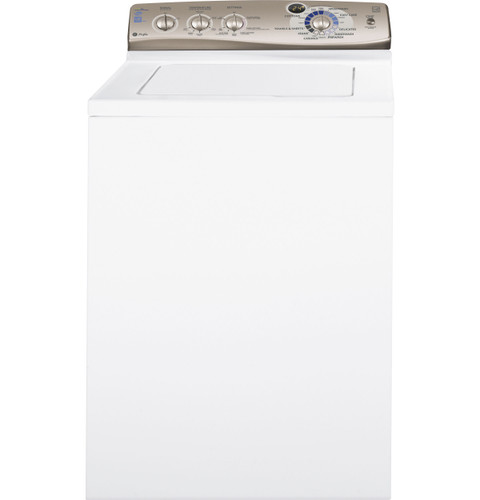
GE Profile PTWN6250M washer — manufacturer product image
Photo: PTWN6250MWT white variant. Shared source photo. Photo source
Manufacturer sources

GE Profile PTWN6250M

Model age & history

Washing machine · US market · 48 owner topics

GE Profile PTWN6250M / PTWN6250MWT HydroWave Infusor washer

Covers PTWN6250M and the manufacturer-listed models in this family.

GE Profile PTWN6250M / PTWN6250MWT HydroWave Infusor washer

What the available documents establish about PTWN6250M

The available documents show the washer’s documented features and dates, but they do not tell the production history of an individual unit.

Identify the model without inventing a release story

The GE specification sheet identifies a “GE Profile 3.6 DOE cu. ft. stainless steel capacity washer” and lists PTWN6250M; its feature block identifies the white PTWN6250MWT. GE’s current product record identifies the complete retail model PTWN6250MWT and marks the listing obsolete. These sources establish product identity and a later discontinued/obsolete status; they do not provide a verified launch date, last production date, or successor model.

The accompanying EnergyGuide is printed for model PTWN6250M0WT, including an additional zero in the code. Preserve that label identity when citing its 160 kWh estimate. Do not treat these closely related strings as automatically interchangeable for parts or serial lookup. GE’s parts catalog and rating plate are the appropriate authorities for a component-specific match.

Build a source timeline carefully

The owner manual bears GE document number 49-90400-1 and a July 2010 date. The specification sheet says revision 4/11. The installation publication is numbered 31-15441-3 and dated 03-12. This sequence dates the documents, not each unit’s manufacture. A washer purchased later may still have been produced earlier; the rating plate and serial-number lookup are needed for a particular unit.

The 2011 specification sheet presents a broad warranty summary and points readers to the written warranty for detail. The owner manual names covered assemblies and explains when labor is the owner’s responsibility. Use that component schedule for a claim rather than interpreting the summary as blanket coverage.

Use specifications as the model’s documented baseline

The 2011 specification sheet lists 3.6 DOE cubic feet, a stainless steel basket, 700 RPM spin speed, HE LoWater with Infusor, PreciseFill, Speed Wash, specialty cycles, and MEF 2.20/WF 4.50. Those numbers and features are documentary specifications, not a present-day condition assessment. Options can be model-specific, so consult the panel and full manual for an individual appliance.

Nominal dimensions are 42 inches high, 27 wide, and 25.5 deep. Use the installation sheet and real site measurements for a replacement or move. This published baseline is useful when identifying the design, but does not tell us how long an individual unit has run, whether it was maintained, or whether any particular part has failed.

Resolve unit-specific history with the label

Photograph the rating label and save the serial number before arranging a repair or researching resale. Keep the purchase receipt, installation date if known, and service invoices. These records answer questions the generic product page cannot: age of this specific unit, warranty start, replacement parts fitted, and any prior diagnosis.

A listing marked obsolete does not mean parts are unavailable, that the washer has a known defect, or that a newer washer is a direct replacement. Ask GE or a qualified parts supplier to verify component fit by complete model and serial. If evaluating a used unit, describe the evidence you have and avoid presenting document dates as the machine’s exact age. GE’s age-identification guidance also says the serial number, rather than the model number, is needed to determine manufacture date. Use the official lookup with the complete serial; do not estimate age from the document dates or suffix.

Specifications & model details

PTWN6250M: model-specific checks

The company named in this model’s archive

GE Profile PTWN6250M is associated with GE Appliances, a Haier company in the original regulatory record. Use both the retail brand and this company name when researching an older manual, parts listing, or recall notice. This historical listing identifies the source relationship; the complete model and serial still determine a replacement part or service arrangement.

Recorded model facts

Model details relevant to this topic

SpecificationRecorded valueEvidence
DOE capacity3.6 cu ft
Manufacturer
GE Profile PTWN6250M — specs

Exact-model manufacturer resource; Specification 260192, revised 4/11, pp. 1–2; explicit base and finish listing

GE specification 260192, revised 4/11, titles the base PTWN6250M and explicitly lists finish model PTWN6250MWT. Base/retail relationship is documented here; no other suffix or serial range is inferred. Specification 260192, revised 4/11, pp. 1–2; explicit base and finish listing

Observed Oct 27, 2026

Other observations retained:

3.7 cu ft — California Energy Commission — Washing machines archive; cec-washers.xlsx; sheet ClothesWashers_12022025; row 4128

Cancel cycleHold Start for 3 seconds
Manufacturer
GE Profile PTWN6250M — owner

Exact-model manufacturer resource; Owner manual 49-90400-1, 07/06/10; pp. 1, 4–7, 9

GE specification 260192, revised 4/11, titles the base PTWN6250M and explicitly lists finish model PTWN6250MWT. Base/retail relationship is documented here; no other suffix or serial range is inferred. Owner manual 49-90400-1, 07/06/10; pp. 1, 4–7, 9

Observed Oct 27, 2026
Electronics restart wait2 minutes
Manufacturer
GE Profile PTWN6250M — owner

Exact-model manufacturer resource; Owner manual 49-90400-1, 07/06/10; pp. 1, 4–7, 9

GE specification 260192, revised 4/11, titles the base PTWN6250M and explicitly lists finish model PTWN6250MWT. Base/retail relationship is documented here; no other suffix or serial range is inferred. Owner manual 49-90400-1, 07/06/10; pp. 1, 4–7, 9

Observed Oct 27, 2026
Maximum spin speed700 RPM
Manufacturer
GE Profile PTWN6250M — specs

Exact-model manufacturer resource; Specification 260192, revised 4/11, pp. 1–2; explicit base and finish listing

GE specification 260192, revised 4/11, titles the base PTWN6250M and explicitly lists finish model PTWN6250MWT. Base/retail relationship is documented here; no other suffix or serial range is inferred. Specification 260192, revised 4/11, pp. 1–2; explicit base and finish listing

Observed Oct 27, 2026
Suds-saving capability in archiveFalse
Archive
California Energy Commission — Washing machines archive

cec-washers.xlsx; sheet ClothesWashers_12022025; row 4128

Regulatory archive observation; test standard and measurement context follow the original record.

Observed Oct 27, 2026
Temperature systemPerfecTemp; Tap Cold bypasses temperature regulation
Manufacturer
GE Profile PTWN6250M — owner

Exact-model manufacturer resource; Owner manual 49-90400-1, 07/06/10; pp. 1, 4–7, 9

GE specification 260192, revised 4/11, titles the base PTWN6250M and explicitly lists finish model PTWN6250MWT. Base/retail relationship is documented here; no other suffix or serial range is inferred. Owner manual 49-90400-1, 07/06/10; pp. 1, 4–7, 9

Observed Oct 27, 2026
Unheated rinse option in archiveTrue
Archive
California Energy Commission — Washing machines archive

cec-washers.xlsx; sheet ClothesWashers_12022025; row 4128

Regulatory archive observation; test standard and measurement context follow the original record.

Observed Oct 27, 2026
Wash mechanismInfusor
Manufacturer
GE Profile PTWN6250M — specs

Exact-model manufacturer resource; Specification 260192, revised 4/11, pp. 1–2; explicit base and finish listing

GE specification 260192, revised 4/11, titles the base PTWN6250M and explicitly lists finish model PTWN6250MWT. Base/retail relationship is documented here; no other suffix or serial range is inferred. Specification 260192, revised 4/11, pp. 1–2; explicit base and finish listing

Observed Oct 27, 2026
Wash programsCottons, Prewash, Casuals, Easy Care, Delicates, Hand Wash, Speed, Drain & Spin, Towels & Sheets, Jeans, Quick Rinse
Manufacturer
GE Profile PTWN6250M — owner

Exact-model manufacturer resource; Owner manual 49-90400-1, 07/06/10; pp. 1, 4–7, 9

GE specification 260192, revised 4/11, titles the base PTWN6250M and explicitly lists finish model PTWN6250MWT. Base/retail relationship is documented here; no other suffix or serial range is inferred. Owner manual 49-90400-1, 07/06/10; pp. 1, 4–7, 9

Observed Oct 27, 2026
Wash systemHydroWave with Infusor
Manufacturer
GE Profile PTWN6250M — specs

Exact-model manufacturer resource; Specification 260192, revised 4/11, pp. 1–2; explicit base and finish listing

GE specification 260192, revised 4/11, titles the base PTWN6250M and explicitly lists finish model PTWN6250MWT. Base/retail relationship is documented here; no other suffix or serial range is inferred. Specification 260192, revised 4/11, pp. 1–2; explicit base and finish listing

Observed Oct 27, 2026
Washer controlsAutomatic
Archive
California Energy Commission — Washing machines archive

cec-washers.xlsx; sheet ClothesWashers_12022025; row 4128

Regulatory archive observation; test standard and measurement context follow the original record.

Observed Oct 27, 2026
Water fillPreciseFill automatic load sensing
Manufacturer
GE Profile PTWN6250M — specs

Exact-model manufacturer resource; Specification 260192, revised 4/11, pp. 1–2; explicit base and finish listing

GE specification 260192, revised 4/11, titles the base PTWN6250M and explicitly lists finish model PTWN6250MWT. Base/retail relationship is documented here; no other suffix or serial range is inferred. Specification 260192, revised 4/11, pp. 1–2; explicit base and finish listing

Observed Oct 27, 2026
More background: Model age & history

Category & symptom guidance

Model age & history

Start with the full model identity

Copy the complete model number, including letters after the base number, from the appliance label. Record the serial number separately. Those identifiers let the manufacturer or support site distinguish a specific washer from similarly named variants. The GE PTWN6250M manual identifies the model and serial label under the lid for that model; label placement is not universal, so check the matching owner's documentation when necessary.

A model number identifies a product version, not necessarily when your individual unit was made or sold. Avoid using a retail listing for a related model as evidence about this washer's date, capacity, controls, or history.

  1. Capture model and serial from the washer itself.
  2. Match the identifier to the manufacturer's support records.
  3. Keep the exact suffix when searching documentation.

Separate the dates that matter

Purchase date, delivery date, installation date, and manufacture date answer different questions. A receipt can establish a sale date; an installation invoice can show when it entered service; a manufacturer lookup may provide production information if that service is available. Do not infer manufacture date from a purchase date, since products may be stored or sold later.

For a used washer, ask the prior owner for any receipt, service invoice, or move history. If none exists, state that age is unknown instead of calculating a confident number from a serial code found on an unofficial chart. Ask the manufacturer whether it can interpret the exact serial and what date that interpretation represents.

Build a practical service timeline

Collect invoices, parts descriptions, warranty communications, and notes about recurring symptoms. Arrange them by date and distinguish a repair recommendation from work actually completed. A replaced component can help a technician understand the current condition, while repeated unresolved symptoms may affect whether another repair is sensible.

Record household changes that could explain a symptom: a move, new installation, altered drainage, or different laundry loads. Installation conditions can influence vibration or draining. For example, the LG WM4000H*A manual gives installation requirements for that exact family; those dimensions and requirements should not be applied to a different washer without its own documentation.

  1. Sort receipts and service records chronologically.
  2. Mark completed work separately from estimates.
  3. Note moves or installation changes alongside symptoms.

Use history to guide a decision, not predict failure

A longer ownership history can help explain maintenance and prior symptoms, but it cannot by itself predict when a washer will fail. Do not treat age as a lifespan, reliability score, or repair deadline. For a current problem, combine the timeline with a present diagnosis, the condition of the washer, repair cost, and whether it still meets the household's needs.

If you are considering a used washer, ask to see it complete a normal cycle and inspect for visible leaks, unusual noise, and damage without removing covers. Request available service records and confirm the model's operating documentation. If the seller cannot establish age, that uncertainty can be reflected in your offer and decision, but it does not prove the washer is defective.

Preserve the record for future support

Keep the identification photo, proof of purchase, manuals, and service paperwork in one place. When contacting support, provide the model first and serial when requested, then describe the relevant dates and work. This makes warranty or parts questions easier to route, though eligibility and part availability must be confirmed for the exact washer.

If the washer is removed from service, retain the record long enough to resolve any open repair or warranty question. For disposal, check local collection and recycling options; EPA guidance explains consumer choices for recycling products. Follow an official safety notice's instructions if the washer is subject to one.

What to do with what you find

Receipt or manufacturer record provides a date with a clear meaning.

That specific purchase or production date can be documented.

Label the date type and retain its source.

Only a guessed serial decoding or related-model listing is available.

Age and version remain unverified.

Ask the manufacturer or record the date as unknown.

Have these details ready

  • Full model and serial identifiers
  • Receipt, delivery, and installation dates if available
  • Manufacturer date interpretation and its stated meaning
  • Chronological repair and symptom records
  • Move or installation changes relevant to current behavior

Common questions

Can I calculate the washer's age from the model number?

Usually the model number identifies a product version, not the unit's production date. Use purchase records or ask the manufacturer to interpret the exact serial.

Does a documented old age mean replacement is due?

No. Age alone does not establish condition or remaining life. Use the current diagnosis, repair estimate, and household needs.

General background sources

These sources support the shared guide. Exact model specifications and matched family procedures have their own sources above.

  1. consumer.ftc.gov/articles/warranties
  2. www.energy.gov/cmei/buildings/consumer-clothes-washers
  3. www.epa.gov/recycle/what-you-can-do
  4. media.us.lg.com/m/6d5d734b0871fbdf/original/WM4000_Owners-Manual.pdf
  5. images.salsify.com/image/upload/s--4zVee-ir--/44e1044e71329cd6678e18edc3950e53c5694077.pdf

Owner guidance by Specs & Parts, drafted with GPT-6 Luna. Sources and scope.

Sources for PTWN6250M

GE Profile PTWN6250M — owner Observed Oct 27, 2026
GE Profile PTWN6250M — specs Observed Oct 27, 2026
Suggest a correction