Appliance & electronics support
Find your model numberAbout our sources
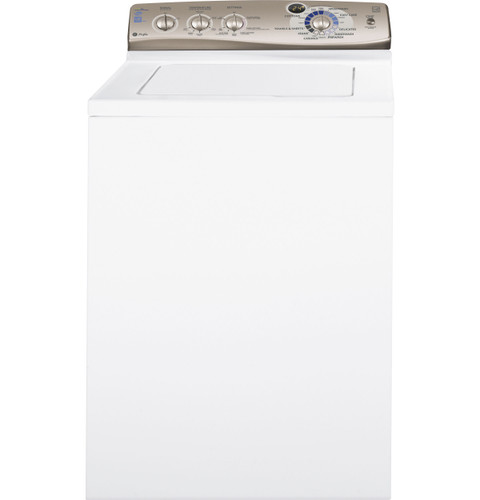
GE Profile PTWN6250M washer — manufacturer product image
Photo: PTWN6250MWT white variant. Shared source photo. Photo source
Manufacturer sources

GE Profile PTWN6250M

Cleaning & odor

Washing machine · US market · 48 owner topics

GE Profile PTWN6250M / PTWN6250MWT HydroWave Infusor washer

Covers PTWN6250M and the manufacturer-listed models in this family.

GE Profile PTWN6250M / PTWN6250MWT HydroWave Infusor washer

Clean the Infusor washer and dispenser without damaging them

GE’s care instructions focus on wiping the basket, lid and exterior and keeping the optional fabric-softener dispenser clear. That dispenser is described as self-cleaning and does not need regular internal cleaning, though its parts may be cleaned if buildup occurs.

Use a soft cloth and the cleaning method specified by the manual. It cautions against harsh/gritty cleaners and ammonia-containing glass cleaners. Never mix bleach with acids such as vinegar or rust remover.

  1. Use soft cloth and avoid abrasive/gritty cleaners.
  2. Clean dispenser internals only if present and buildup requires it.
  3. Never combine chlorine bleach with vinegar/acids; avoid ammonia glass cleaner.

Wipe basket, lid and exterior

Leave the lid open after washing so moisture can evaporate. If the basket needs cleaning, wipe it with a clean soft cloth dampened with liquid detergent, then rinse. Avoid harsh or gritty cleaners that can scratch the finish.

For the glass lid, the manual recommends a soft cloth dampened with vinegar and water and says not to use ammonia-containing cleaners. Keep liquid out of the control panel and do not spray directly into openings.

Maintain the softener dispenser if fitted

The fabric-softener dispenser is present only on some models. GE calls it self-cleaning and says it needs no routine internal cleaning. Wipe the exterior as needed. If buildup occurs, wait until the cycle is complete and follow the manual’s pictured removal steps: lift the tab, rotate the top counterclockwise at its tabs and lift it out of the Infusor.

Clean residue with a soft cloth or toothbrush and ensure the three bottom drain holes are open. The manual shows a specific diluted cleaning solution for the separated parts, then reassembly; use only that instruction and avoid splashing. Never mix bleach with vinegar or acids.

Prevent residue and odor

Use measured HE detergent; excess detergent can leave suds and residue. The owner manual says occasional use of a cycle containing bleach will keep the interior clean. Follow the manual’s directions and bleach product label; do not mix cleaners or pour chemical mixtures together.

After use, leave the lid open for evaporation and wipe visible moisture. Persistent odor, residue in a dispenser or water under the washer needs a separate check rather than abrasive scrubbing.

Keep cleaning external and gentle

Wipe spills promptly from the exterior with a damp cloth and avoid sharp objects. Do not pry the Infusor or remove internal panels to clean unseen areas. The only detailed internal dispenser cleaning is for its removable assembly and applies only when that dispenser is fitted.

If cleaner spills into controls or water reaches the cord/outlet, stop using the washer and arrange inspection. Surface cleaning should not involve energized parts or opening the cabinet.

Softener dispenser is not present.

The manual says this dispenser is only on some models.

Do not treat its absence as breakage; verify exact variant.

Three dispenser drain openings are clogged.

Softener flow can be restricted by buildup.

Clean assembly gently after cycle ends, following manual diagram.

Basket needs regular cleanup.

Manual calls for mild detergent, soft cloth and rinse.

Avoid abrasive pads and harsh cleaners.

Common questions

Does the dispenser require routine disassembly?

No. The manual says it is self-cleaning and internal cleaning is needed only if buildup occurs.

Can I use bleach and vinegar together?

No. The manual warns against mixing bleach with vinegar or acids.

Specifications & model details

PTWN6250M: model-specific checks

Start with this washer’s layout

GE Profile PTWN6250M is listed as Top-Loading high-efficiency. For this recorded top-loading GE Profile design, place the first inspection at the lid, basket rim, fitted dispenser and the visible fill/drain connections. For a spin complaint, separate retained water from an uneven load, then check the selected cycle and lid state. Keep clothing loose enough to move; an agitator, impeller or automatic-fill procedure needs its own feature match.

Recorded model facts

Model details relevant to this topic

SpecificationRecorded valueEvidence
DOE capacity3.6 cu ft
Manufacturer
GE Profile PTWN6250M — specs

Exact-model manufacturer resource; Specification 260192, revised 4/11, pp. 1–2; explicit base and finish listing

GE specification 260192, revised 4/11, titles the base PTWN6250M and explicitly lists finish model PTWN6250MWT. Base/retail relationship is documented here; no other suffix or serial range is inferred. Specification 260192, revised 4/11, pp. 1–2; explicit base and finish listing

Observed Oct 27, 2026

Other observations retained:

3.7 cu ft — California Energy Commission — Washing machines archive; cec-washers.xlsx; sheet ClothesWashers_12022025; row 4128

Cancel cycleHold Start for 3 seconds
Manufacturer
GE Profile PTWN6250M — owner

Exact-model manufacturer resource; Owner manual 49-90400-1, 07/06/10; pp. 1, 4–7, 9

GE specification 260192, revised 4/11, titles the base PTWN6250M and explicitly lists finish model PTWN6250MWT. Base/retail relationship is documented here; no other suffix or serial range is inferred. Owner manual 49-90400-1, 07/06/10; pp. 1, 4–7, 9

Observed Oct 27, 2026
Electronics restart wait2 minutes
Manufacturer
GE Profile PTWN6250M — owner

Exact-model manufacturer resource; Owner manual 49-90400-1, 07/06/10; pp. 1, 4–7, 9

GE specification 260192, revised 4/11, titles the base PTWN6250M and explicitly lists finish model PTWN6250MWT. Base/retail relationship is documented here; no other suffix or serial range is inferred. Owner manual 49-90400-1, 07/06/10; pp. 1, 4–7, 9

Observed Oct 27, 2026
Maximum spin speed700 RPM
Manufacturer
GE Profile PTWN6250M — specs

Exact-model manufacturer resource; Specification 260192, revised 4/11, pp. 1–2; explicit base and finish listing

GE specification 260192, revised 4/11, titles the base PTWN6250M and explicitly lists finish model PTWN6250MWT. Base/retail relationship is documented here; no other suffix or serial range is inferred. Specification 260192, revised 4/11, pp. 1–2; explicit base and finish listing

Observed Oct 27, 2026
Suds-saving capability in archiveFalse
Archive
California Energy Commission — Washing machines archive

cec-washers.xlsx; sheet ClothesWashers_12022025; row 4128

Regulatory archive observation; test standard and measurement context follow the original record.

Observed Oct 27, 2026
Temperature systemPerfecTemp; Tap Cold bypasses temperature regulation
Manufacturer
GE Profile PTWN6250M — owner

Exact-model manufacturer resource; Owner manual 49-90400-1, 07/06/10; pp. 1, 4–7, 9

GE specification 260192, revised 4/11, titles the base PTWN6250M and explicitly lists finish model PTWN6250MWT. Base/retail relationship is documented here; no other suffix or serial range is inferred. Owner manual 49-90400-1, 07/06/10; pp. 1, 4–7, 9

Observed Oct 27, 2026
Unheated rinse option in archiveTrue
Archive
California Energy Commission — Washing machines archive

cec-washers.xlsx; sheet ClothesWashers_12022025; row 4128

Regulatory archive observation; test standard and measurement context follow the original record.

Observed Oct 27, 2026
Wash mechanismInfusor
Manufacturer
GE Profile PTWN6250M — specs

Exact-model manufacturer resource; Specification 260192, revised 4/11, pp. 1–2; explicit base and finish listing

GE specification 260192, revised 4/11, titles the base PTWN6250M and explicitly lists finish model PTWN6250MWT. Base/retail relationship is documented here; no other suffix or serial range is inferred. Specification 260192, revised 4/11, pp. 1–2; explicit base and finish listing

Observed Oct 27, 2026
Wash programsCottons, Prewash, Casuals, Easy Care, Delicates, Hand Wash, Speed, Drain & Spin, Towels & Sheets, Jeans, Quick Rinse
Manufacturer
GE Profile PTWN6250M — owner

Exact-model manufacturer resource; Owner manual 49-90400-1, 07/06/10; pp. 1, 4–7, 9

GE specification 260192, revised 4/11, titles the base PTWN6250M and explicitly lists finish model PTWN6250MWT. Base/retail relationship is documented here; no other suffix or serial range is inferred. Owner manual 49-90400-1, 07/06/10; pp. 1, 4–7, 9

Observed Oct 27, 2026
Wash systemHydroWave with Infusor
Manufacturer
GE Profile PTWN6250M — specs

Exact-model manufacturer resource; Specification 260192, revised 4/11, pp. 1–2; explicit base and finish listing

GE specification 260192, revised 4/11, titles the base PTWN6250M and explicitly lists finish model PTWN6250MWT. Base/retail relationship is documented here; no other suffix or serial range is inferred. Specification 260192, revised 4/11, pp. 1–2; explicit base and finish listing

Observed Oct 27, 2026
Washer controlsAutomatic
Archive
California Energy Commission — Washing machines archive

cec-washers.xlsx; sheet ClothesWashers_12022025; row 4128

Regulatory archive observation; test standard and measurement context follow the original record.

Observed Oct 27, 2026
Water fillPreciseFill automatic load sensing
Manufacturer
GE Profile PTWN6250M — specs

Exact-model manufacturer resource; Specification 260192, revised 4/11, pp. 1–2; explicit base and finish listing

GE specification 260192, revised 4/11, titles the base PTWN6250M and explicitly lists finish model PTWN6250MWT. Base/retail relationship is documented here; no other suffix or serial range is inferred. Specification 260192, revised 4/11, pp. 1–2; explicit base and finish listing

Observed Oct 27, 2026
More background: Cleaning & odor

Category & symptom guidance

Cleaning & odor

Start with moisture and residue

After unloading, remove damp laundry promptly and leave the door or lid open when practical so the interior can dry. Wipe visible water from surfaces that stay wet, including the door glass and accessible seal area on front-load machines. For a top-loader, allow the basket and lid area to air out. Do not leave wet items or standing water in the washer for extended periods; retained moisture and residue can contribute to odor.

Look for product buildup where detergent or softener is dispensed. Use the dispenser as intended and avoid overfilling it. If residue is visible, clean the removable parts only as the manual permits and let them dry before reinstalling. Do not pour cleaner into an unknown compartment or dismantle dispenser parts without model-specific directions.

  1. Remove laundry when the cycle ends and air the washer interior between loads.
  2. Wipe visible moisture from accessible surfaces using a soft cloth.
  3. Inspect dispenser openings and remove buildup only by the method in the exact-model instructions.

Clean without mixing products

Use a washer-cleaning cycle or product only if the owner instructions for your model call for it, and follow the product label for amount and placement. Avoid combining cleaners, bleach, vinegar, ammonia, or other chemicals in one treatment. Chlorine bleach mixed with ammonia or acids such as vinegar can produce toxic gas. If you use a product, ventilate the room and keep it away from children and pets according to its label.

Do not use abrasive cleaners, harsh chemicals, or solvents on washer finishes. A cleaning method safe for one material or model may damage another. If odor persists after a documented cleaning cycle and routine drying, note whether it smells musty, chemical, or like sewage; that distinction helps decide whether the issue is residue, a product spill, or possibly the drain arrangement.

  1. Read both the washer manual and the cleaner label before using a cleaning product.
  2. Use one cleaning product at a time; never mix bleach with vinegar, ammonia, or another cleaner.
  3. Wipe up spills promptly and avoid allowing chemicals to sit on the washer finish.

Adjust habits to washer design

Front-load washers have a door seal and detergent drawer that can retain moisture. After a load, inspect the visible folds of the seal for lint or small items and wipe away water; keep the door ajar if the room and household allow. Clean the drawer and accessible recess as directed by the manual. Do not pull or stretch the seal to reach hidden areas.

Top-load machines have a lid and basket area rather than a front door seal. Let the basket dry with the lid open and clear lint or residue from accessible surfaces. High-efficiency top-loaders use less water than conventional designs, so seeing less water is not evidence that the machine needs extra detergent or a manual fill. Use detergent suited to the machine and the product directions; excess detergent can leave residue and worsen odor.

  1. For a front loader, check the visible door-seal folds and drawer after washing.
  2. For a top loader, air the basket and clean accessible residue without reaching into moving or inaccessible parts.
  3. Use detergent amounts appropriate to load size, soil, water conditions, and the product label.

Trace an odor that returns

If odor returns soon after cleaning, change one factor at a time. First reduce detergent or softener if you have been exceeding label directions; then allow the interior to dry between uses. Check for a forgotten wet load, a spill, or debris around accessible areas. If the odor is strongest near the drain or appears alongside water left in the washer, note that pattern and compare the drain setup with the installation guidance for the exact model.

A persistent sewage-like odor, visible leak, recurring standing water, or odor accompanied by smoke or a burning or chemical smell needs a different response than routine mildew prevention. Stop using the washer for a burning or smoke condition and follow the manufacturer’s support instructions. Do not open panels or attempt to clean internal pump or electrical areas.

  1. Track when the smell returns and whether it follows a particular detergent, load, or cycle.
  2. Check accessible areas and the documented drain arrangement if odor coincides with retained water.
  3. Use the exact model’s support guidance if the odor persists despite routine cleaning and drying.

What to do with what you find

Musty odor is strongest after laundry sits in the washer or the interior remains damp.

Moisture and retained residue may be contributing.

Remove loads promptly, air the interior, and clean accessible residue as directed for the model.

Odor persists with standing water, leakage, or a drain-like smell.

Routine surface cleaning may not address the cause.

Stop repeated cleaning attempts and consult the washer’s installation or manufacturer support guidance.

Have these details ready

  • Washer model and loading design
  • Where and when the odor appears
  • Cleaner and laundry-product names used
  • Whether water remains, leaks, or drains normally

Common questions

Should I use vinegar and bleach together to clean the washer?

No. Never mix chlorine bleach with vinegar or other acids; use at most one cleaner at a time and follow the washer and product instructions.

Does a front-load washer need its door left open after use?

Allowing the interior to dry can help reduce retained moisture. Leave it ajar when practical and safe for your household, and follow the model’s care guidance.

General background sources

These sources support the shared guide. Exact model specifications and matched family procedures have their own sources above.

  1. media.us.lg.com/m/6d5d734b0871fbdf/original/WM4000_Owners-Manual.pdf
  2. images.salsify.com/image/upload/s--4zVee-ir--/44e1044e71329cd6678e18edc3950e53c5694077.pdf
  3. images.salsify.com/image/upload/s--dBhUJ9s5--/3f58f84eaa9d207a6fdadfa3a955c70b28005ee2.pdf
  4. producthelp.whirlpool.com/Laundry/Washers/Product_Info/Washer_Product_Assistance/Auto_Sensing_in_a_Top_Load_HE_Washer

Owner guidance by Specs & Parts, drafted with GPT-6 Luna. Sources and scope.

Sources for PTWN6250M

GE Profile PTWN6250M — owner Observed Oct 27, 2026
GE Profile PTWN6250M — specs Observed Oct 27, 2026
Suggest a correction