Appliance & electronics support
Find your model numberAbout our sources
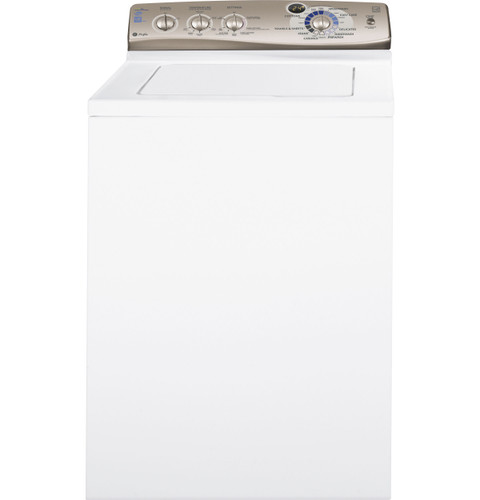
GE Profile PTWN6250MWT washer — manufacturer product image
Photo: PTWN6250MWT. Shared source photo. Photo source
Manufacturer sources

GE Profile PTWN6250MWT

Noise & vibration

Washing machine · US market · 48 owner topics

GE Profile PTWN6250M / PTWN6250MWT HydroWave Infusor washer

Covers PTWN6250MWT and the manufacturer-listed models in this family.

GE Profile PTWN6250M / PTWN6250MWT HydroWave Infusor washer

PTWN6250M / PTWN6250MWT: tell normal HydroWave sounds from trouble

The HydroWave system with Infusor operates differently from a traditional agitator washer. GE’s quick reference says the machine may be very quiet during portions of a cycle, pause while sensing a load and make a “swoosh” or “zip” as the direct-drive motor reverses direction to agitate. These documented sounds alone do not signal a fault.

Use the cycle stage, display and physical location of the sound to decide what to check. Firm flooring is important because GE says it minimizes spin vibration.

Sensing and agitation

At the beginning of a cycle, load sensing may be quiet. During agitation, a reversing swoosh/zip is expected. The status display may show “Fill” or later change as the cycle progresses; remaining time can update during fill.

Spin and balance

A “Balancing” message indicates the machine is adjusting spin speed and time. A clumped or bulky load can increase vibration. Stop and wait for the basket to become still, then redistribute clothes loosely around the basket’s outside. Do not load sheets or blankets across the Infusor.

Check floor and external contact

The installation guide calls for firm flooring and says not to install on rugs. If recently moved, review the installer’s shipping-bar removal step and visible leveling rather than opening the cabinet. The troubleshooting chart notes drain-hose contact with a wall may cause excessive hose wear.

Distinguish normal basket movement

The owner troubleshooting chart says the basket moves or rotates freely because it has no traditional brake. Movement while off is not by itself evidence of a loose component. Conversely, sharp repeated impacts, scraping, a washer that shifts, or a new noise on every cycle is not described as normal.

Stop and seek service

Record when the noise starts, whether water is present, what status message appears, and whether the load was balanced. Stop operation if the cabinet strikes objects, a hose is being abraded, the washer leaks, or the sound suggests contact with moving parts. Do not reach into the basket while it is moving or remove panels.

Listen for where the sound travels

A reversing “swoosh” should coincide with agitation, while the quick guide says quiet stretches occur during HydroWave operation and load sensing. A hose bump or scraping noise may come from behind the cabinet rather than the tub; check only an accessible, dry view and do not drag the machine by its hoses. The owner chart warns that a drain hose touching a wall can wear excessively.

If a noise begins only as spin accelerates, note whether “Balancing” appears and whether the load contains a single bulky item. The installation sheet identifies firm flooring as important for minimizing vibration. An empty, balanced test cycle may help establish whether noise follows the load, but do not run further cycles if the cabinet walks, hose is damaged, or water leaks.

Use the quick-reference sound examples

The quick-reference guide describes the direct-drive sound as a “swoosh” or “zip” from motor rotation back and forth during agitation, and says the HydroWave can seem unusually quiet. Compare sound timing to that documented wash action. A rattling object in the load can also be distinguished by stopping and checking clothing once the basket has fully stopped. Do not reach into a moving basket.

Soft zip sound during agitation

Reversing direct-drive motor sound is documented

Observe for normal cycle progress.

Vibration with “Balancing”

Load distribution may be uneven

Redistribute after the drum stops.

Sharp impact or cabinet movement

Not identified as normal in owner guide

Stop use and arrange service.

Specifications & model details

PTWN6250MWT: model-specific checks

Start with this washer’s layout

GE Profile PTWN6250MWT is listed as Top-Loading high-efficiency. For this recorded top-loading GE Profile design, place the first inspection at the lid, basket rim, fitted dispenser and the visible fill/drain connections. For a spin complaint, separate retained water from an uneven load, then check the selected cycle and lid state. Keep clothing loose enough to move; an agitator, impeller or automatic-fill procedure needs its own feature match.

Interpret the spin rating correctly

GE Profile PTWN6250MWT lists a maximum spin speed of 700 RPM. That maximum is not a promise for every program or load. Compare the selected spin option and load balance before interpreting a lower observed speed as a motor fault. Save the exact code and cycle name if the machine stops.

Recorded model facts

Model details relevant to this topic

SpecificationRecorded valueEvidence
DOE capacity3.6 cu ft
Manufacturer
GE Profile PTWN6250M — specs

Exact-model manufacturer resource; Specification 260192, revised 4/11, pp. 1–2; explicit base and finish listing

GE specification 260192, revised 4/11, titles the base PTWN6250M and explicitly lists finish model PTWN6250MWT. Base/retail relationship is documented here; no other suffix or serial range is inferred. Specification 260192, revised 4/11, pp. 1–2; explicit base and finish listing

Observed Oct 27, 2026
Wash Basket TypeStainless Steel
Manufacturer
GE — PTWN6250MWT

Exact-model manufacturer resource; specification fields

Exact SKU PTWN6250MWT; manufacturer specification label: Wash Basket Type.

Observed Oct 27, 2026
Adaptive CapabilitiesAdaptive Fill
Manufacturer
GE — PTWN6250MWT

Exact-model manufacturer resource; specification fields

Exact SKU PTWN6250MWT; manufacturer specification label: Adaptive Capabilities.

Observed Oct 27, 2026
Additional Washer Features_1Auto Balance Suspension System
Manufacturer
GE — PTWN6250MWT

Exact-model manufacturer resource; specification fields

Exact SKU PTWN6250MWT; manufacturer specification label: Additional Washer Features_1.

Observed Oct 27, 2026
Additional Washer Features_2Front Serviceable
Manufacturer
GE — PTWN6250MWT

Exact-model manufacturer resource; specification fields

Exact SKU PTWN6250MWT; manufacturer specification label: Additional Washer Features_2.

Observed Oct 27, 2026
Additional Washer Features_3Galvanized Steel Cabinet
Manufacturer
GE — PTWN6250MWT

Exact-model manufacturer resource; specification fields

Exact SKU PTWN6250MWT; manufacturer specification label: Additional Washer Features_3.

Observed Oct 27, 2026
Cancel cycleHold Start for 3 seconds
Manufacturer
GE Profile PTWN6250M — owner

Exact-model manufacturer resource; Owner manual 49-90400-1, 07/06/10; pp. 1, 4–7, 9

GE specification 260192, revised 4/11, titles the base PTWN6250M and explicitly lists finish model PTWN6250MWT. Base/retail relationship is documented here; no other suffix or serial range is inferred. Owner manual 49-90400-1, 07/06/10; pp. 1, 4–7, 9

Observed Oct 27, 2026
Casuals Cycle_1Medium Soil
Manufacturer
GE — PTWN6250MWT

Exact-model manufacturer resource; specification fields

Exact SKU PTWN6250MWT; manufacturer specification label: Casuals Cycle_1.

Observed Oct 27, 2026
Casuals Cycle_2Light Soil
Manufacturer
GE — PTWN6250MWT

Exact-model manufacturer resource; specification fields

Exact SKU PTWN6250MWT; manufacturer specification label: Casuals Cycle_2.

Observed Oct 27, 2026
Control TypeRotary-Electronic
Manufacturer
GE — PTWN6250MWT

Exact-model manufacturer resource; specification fields

Exact SKU PTWN6250MWT; manufacturer specification label: Control Type.

Observed Oct 27, 2026
Cottons CycleHeavy Soil/Medium Soil/ Light Soil
Manufacturer
GE — PTWN6250MWT

Exact-model manufacturer resource; specification fields

Exact SKU PTWN6250MWT; manufacturer specification label: Cottons Cycle.

Observed Oct 27, 2026
Delicates CycleYes
Manufacturer
GE — PTWN6250MWT

Exact-model manufacturer resource; specification fields

Exact SKU PTWN6250MWT; manufacturer specification label: Delicates Cycle.

Observed Oct 27, 2026
More background: Noise & vibration

Category & symptom guidance

Noise & vibration

Describe the sound in context

Listen from a safe distance and note whether the sound occurs during fill, agitation, draining, or high-speed spin. A steady water sound during fill differs from a repeated knock during spin, while a brief pause in a sensing washer may be normal. Record whether the washer itself shifts, whether the noise repeats with an empty tub, and whether the sound is new.

Do not reach into the tub to investigate while the basket or drum is moving. If a loud sound begins suddenly with scraping, grinding, or violent movement, stop the cycle using the normal controls and wait for motion to cease.

Rule out load and floor causes

On a top-loader, untangle bulky items and spread the load around the basket. Agitator models can bunch long items around the center; impeller models need items distributed around the wash plate. On a front-loader, check that the drum is not packed tightly and that a small load has not collected in one area. Then observe whether the sound changes with a balanced load.

Check from outside whether all feet appear firmly planted and the washer is on a solid, level surface rather than a soft rug or flexible platform. The LG WM4000H*A manual specifically warns that a flexing floor, sliding leveling feet, or a drain pan setup can contribute to excess vibration; those details are scoped to that model’s installation instructions.

Consider normal design sounds

High-efficiency washers may use less water and make pauses or intermittent sounds that differ from a conventional washer. The GE PTWN6250M quick reference describes quiet sensing periods and a “swoosh” or “zip” sound from its direct-drive wash action as expected behavior for that model. This example does not establish what another washer should sound like.

A low water level during wash is also not, by itself, evidence of a fault on an HE machine. Compare the sound and cycle behavior with the washer’s own operating guidance rather than with a different design or an older machine.

Decide whether service is warranted

If vibration is limited to one unbalanced load, rearrange it and retry. If the washer repeatedly bangs with balanced loads, moves across the floor, or makes metal-on-metal scraping, stop using it until the cause is assessed. A new noise after moving or installing the machine deserves attention to installation details, including any shipping material that the model’s instructions say must be removed.

Avoid opening panels or reaching below a running appliance. Describe the sound, cycle phase, load type, and whether the washer moves when asking for service. A short audio clip taken from a safe location may help communicate the symptom.

Check for rattling objects outside the drum

A rattle can come from something touching the washer rather than from inside it. With the machine stopped, check whether the drain hose, water hoses, or nearby objects are tapping the cabinet. Look for detergent bottles, baskets, or a shelf that contacts the washer when it vibrates. Move loose items away and observe whether the sound changes on a later suitable load.

For a front-loader, inspect the visible door seal and drum for a loose item only after the drum has stopped; remove an accessible object without prying or pulling the seal. Check pockets before the next load, since coins or fasteners can create repeated noise. If the sound persists with nearby objects cleared, comes from inside the cabinet, or includes scraping, stop and seek service rather than attempting to reach behind panels.

What to do with what you find

Noise or vibration appears only with a tangled bulky load.

Load imbalance is a likely contributor.

Redistribute the load and compare on a suitable cycle.

The washer rocks or walks during spin on repeated loads.

Leveling, floor support, or a mechanical issue may be involved.

Stop repeated spin attempts and assess the installation or request service.

A quiet pause or brief sound matches the exact manual’s normal-operation description.

The sound may be a design behavior for that model.

Monitor for change, movement, or a new accompanying symptom.

Have these details ready

  • Sound description and cycle stage
  • Whether the washer moves or rocks
  • Load type and distribution
  • Recent move, installation, or change in floor placement

Common questions

Why does my high-efficiency washer seem unusually quiet?

Some HE washers pause while sensing or use wash actions that sound different from a conventional machine. Check the exact model’s normal-operation guidance and note any new banging, scraping, or movement.

Can I level the washer by adjusting its feet?

Use the exact installation instructions for the washer and only make adjustments the owner instructions permit. A flexible or weak floor may need a different remedy than foot adjustment.

General background sources

These sources support the shared guide. Exact model specifications and matched family procedures have their own sources above.

  1. images.salsify.com/image/upload/s--4zVee-ir--/44e1044e71329cd6678e18edc3950e53c5694077.pdf
  2. images.salsify.com/image/upload/s--dBhUJ9s5--/3f58f84eaa9d207a6fdadfa3a955c70b28005ee2.pdf
  3. media.us.lg.com/m/6d5d734b0871fbdf/original/WM4000_Owners-Manual.pdf
  4. www.energy.gov/cmei/buildings/consumer-clothes-washers

Owner guidance by Specs & Parts, drafted with GPT-6 Luna. Sources and scope.

Sources for PTWN6250MWT

GE — PTWN6250MWT Observed Oct 27, 2026
GE Profile PTWN6250M — owner Observed Oct 27, 2026
GE Profile PTWN6250M — specs Observed Oct 27, 2026
Suggest a correction