Appliance & electronics support
Find your model numberAbout our sources
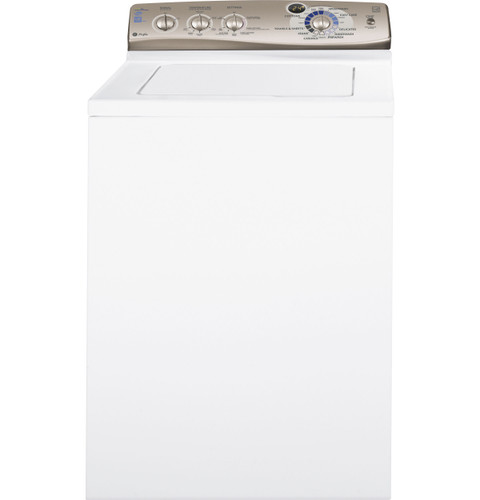
GE Profile PTWN6250MWT washer — manufacturer product image
Photo: PTWN6250MWT. Shared source photo. Photo source
Manufacturer sources

GE Profile PTWN6250MWT

Compare similar models

Washing machine · US market · 48 owner topics

GE Profile PTWN6250M / PTWN6250MWT HydroWave Infusor washer

Covers PTWN6250MWT and the manufacturer-listed models in this family.

GE Profile PTWN6250M / PTWN6250MWT HydroWave Infusor washer

Comparing PTWN6250M with another washer

A useful comparison weighs capacity basis, wash design, spin, energy assumptions, warranty, and installation requirements together.

Compare equivalent capacity figures

GE lists the PTWN6250M at 3.6 DOE cubic feet. Start comparisons by checking that the competing capacity uses the same measurement convention and that the drum opening can handle your real items. A higher number alone does not prove better cleaning or that a bulky comforter will fit. Consider load shape and how often you wash bedding, towels, and work clothes.

The PTWN6250M uses an Infusor and HE LoWater design. GE says the low visible water level is normal and recommends HE detergent. If comparing it with a deep-fill agitator or a front-loader, compare the intended detergent, water behavior, loading process, and cycle options—not only cubic feet. Ask whether the other model offers a fill control you actually need.

Compare extraction and cycle fit

The published maximum spin speed is 700 RPM. This is useful context for dryer planning, but compare the other machine’s actual cycle spin behavior and fabric restrictions. Higher advertised RPM does not guarantee a specific drying-time reduction. The GE sheet also lists Speed Wash for lightly soiled items and specialty cycles; compare the exact cycles needed for your fabrics and soil rather than counting dial positions.

The product materials list PreciseFill, which automatically measures load size and adds water. For another washer, compare how fill is selected, whether a manual water-level choice exists, and what the manual says about load sensing. If your concern is that this washer seems to pause or use little water, GE’s quick reference says these can be normal during sensing.

Compare ownership documents, not slogans

The EnergyGuide declares 160 kWh annually for eight loads a week using 2007 national average prices. Compare the candidate’s own label using current household rates and equal load assumptions. Don’t compare GE’s old $17 electric-water-heater estimate directly with a current competitor dollar figure. Compare kWh and stated water-heater/frequency assumptions first.

The owner manual’s written warranty lists one-year parts and labor, named component periods afterward, and owner-paid labor for those later periods. The older specification’s broad “lifetime” and ten-year phrase should not be compared as if it were a simple whole-appliance warranty. Read the competitor’s actual written terms, exclusions, and labor coverage.

Check fit and total installation

The GE spec sheet gives nominal dimensions of 42 × 27 × 25.5 inches and specifies 120V, 60Hz, 10A on a grounded individual 15- or 20-amp circuit. Confirm the candidate’s installation sheet and measure doorways, faucet access, drain, outlet, and service space. The GE installation instructions have specific drain-height and floor requirements; a similarly sized washer can still require a different plumbing arrangement.

Make a side-by-side list of capacity basis, required detergent, spin and cycle options, annual kWh label, written warranty, dimensions, utility connections, and delivered/installed cost. The supplied GE documents cannot establish current competitor prices or which model is best for every household.

Compare everyday constraints

A practical worksheet can include the largest common load in your household, how often bedding is washed, the types of detergent you already buy, and whether a 27-inch cabinet fits through the entry route. Then add the GE’s documented 3.6 DOE-cubic-foot capacity, low-water Infusor, automatic PreciseFill, 700-RPM maximum, and 120V grounded electrical requirement. This makes the tradeoffs concrete without treating a feature list as a performance test.

For any candidate, verify the same items in its own specification and installation guide. A similar width does not prove that drain height, faucet position, outlet location, or service access will match.

Specifications & model details

PTWN6250MWT: model-specific checks

Plan with this model’s measurements

For GE Profile PTWN6250MWT, the source gives width 27 in (685.8 mm), height 42 in (1,066.8 mm), depth 25.5 in (647.7 mm). Measure the narrowest doorway, turning space and final opening using those same directions. These are product measurements; add the separately specified hose, ventilation, door/lid, handle and service space. The reported width × depth occupies about 4.78 square feet before those allowances.

Recorded model facts

Model details relevant to this topic

SpecificationRecorded valueEvidence
DOE capacity3.6 cu ft
Manufacturer
GE Profile PTWN6250M — specs

Exact-model manufacturer resource; Specification 260192, revised 4/11, pp. 1–2; explicit base and finish listing

GE specification 260192, revised 4/11, titles the base PTWN6250M and explicitly lists finish model PTWN6250MWT. Base/retail relationship is documented here; no other suffix or serial range is inferred. Specification 260192, revised 4/11, pp. 1–2; explicit base and finish listing

Observed Oct 27, 2026
Wash Basket TypeStainless Steel
Manufacturer
GE — PTWN6250MWT

Exact-model manufacturer resource; specification fields

Exact SKU PTWN6250MWT; manufacturer specification label: Wash Basket Type.

Observed Oct 27, 2026
Adaptive CapabilitiesAdaptive Fill
Manufacturer
GE — PTWN6250MWT

Exact-model manufacturer resource; specification fields

Exact SKU PTWN6250MWT; manufacturer specification label: Adaptive Capabilities.

Observed Oct 27, 2026
Additional Washer Features_1Auto Balance Suspension System
Manufacturer
GE — PTWN6250MWT

Exact-model manufacturer resource; specification fields

Exact SKU PTWN6250MWT; manufacturer specification label: Additional Washer Features_1.

Observed Oct 27, 2026
Additional Washer Features_2Front Serviceable
Manufacturer
GE — PTWN6250MWT

Exact-model manufacturer resource; specification fields

Exact SKU PTWN6250MWT; manufacturer specification label: Additional Washer Features_2.

Observed Oct 27, 2026
Additional Washer Features_3Galvanized Steel Cabinet
Manufacturer
GE — PTWN6250MWT

Exact-model manufacturer resource; specification fields

Exact SKU PTWN6250MWT; manufacturer specification label: Additional Washer Features_3.

Observed Oct 27, 2026
Cancel cycleHold Start for 3 seconds
Manufacturer
GE Profile PTWN6250M — owner

Exact-model manufacturer resource; Owner manual 49-90400-1, 07/06/10; pp. 1, 4–7, 9

GE specification 260192, revised 4/11, titles the base PTWN6250M and explicitly lists finish model PTWN6250MWT. Base/retail relationship is documented here; no other suffix or serial range is inferred. Owner manual 49-90400-1, 07/06/10; pp. 1, 4–7, 9

Observed Oct 27, 2026
Casuals Cycle_1Medium Soil
Manufacturer
GE — PTWN6250MWT

Exact-model manufacturer resource; specification fields

Exact SKU PTWN6250MWT; manufacturer specification label: Casuals Cycle_1.

Observed Oct 27, 2026
Casuals Cycle_2Light Soil
Manufacturer
GE — PTWN6250MWT

Exact-model manufacturer resource; specification fields

Exact SKU PTWN6250MWT; manufacturer specification label: Casuals Cycle_2.

Observed Oct 27, 2026
Control TypeRotary-Electronic
Manufacturer
GE — PTWN6250MWT

Exact-model manufacturer resource; specification fields

Exact SKU PTWN6250MWT; manufacturer specification label: Control Type.

Observed Oct 27, 2026
Cottons CycleHeavy Soil/Medium Soil/ Light Soil
Manufacturer
GE — PTWN6250MWT

Exact-model manufacturer resource; specification fields

Exact SKU PTWN6250MWT; manufacturer specification label: Cottons Cycle.

Observed Oct 27, 2026
Delicates CycleYes
Manufacturer
GE — PTWN6250MWT

Exact-model manufacturer resource; specification fields

Exact SKU PTWN6250MWT; manufacturer specification label: Delicates Cycle.

Observed Oct 27, 2026

A comparison group built from recorded designs

GE Profile top-load washing machines

2 records in this manufacturer/public-source group. The group uses the brand, category and recorded design, rather than a guessed series or production year.

These are source-record ranges. They do not establish current availability, a shared repair platform or installation compatibility.

Put the source facts side by side

PTWN6250MWT has 71 recorded specification fields. Compare the fields that matter for your space and use, then resolve gaps with the original documents. These are catalog candidates; fit, availability, and successor relationships have not been established.

More background: Compare similar models

Category & symptom guidance

Compare similar models

Set comparable candidates first

Choose two or three washers that can actually fit the laundry location and meet its utility conditions. Write down each full model identifier, since a single letter or suffix can distinguish capacity, finish, controls, or included features. Use manufacturer documents for those exact variants where available. A retailer’s family page can help find candidates, but it should not be the final authority for dimensions, cycle availability, or warranty scope.

Create a comparison sheet with the same fields for each washer: design, capacity, overall dimensions, door or lid clearance, water connections, drain requirements, electrical rating, cycle options, and stated efficiency information. Mark unavailable data as unknown instead of filling gaps from another model in the family. This makes missing evidence visible and prevents a feature advertised for one candidate from silently becoming an assumption about another.

  1. Gather the full model identifiers for each candidate.
  2. Use the same comparison fields and units for all candidates.
  3. Mark any unverified claim as unknown until supported.

Compare designs by laundry habits

A top-load agitator, top-load impeller, and front-load washer are different washing arrangements, not just cosmetic choices. An agitator occupies space in the basket and moves laundry around a central post. An impeller uses a lower-profile plate and may leave more open space above it. A front-loader tumbles laundry in a drum and has a door swing that needs room in front. Compare how you load, unload, and handle bulky items with the specific design, rather than assuming a category-wide performance winner.

Then map common loads to the available cycles and options. If household laundry includes delicates, bulky bedding, heavily soiled work clothes, or quick refreshes, check whether each candidate lists a suitable cycle and what its manual says that cycle does. Names are not fully standardized: two “quick” cycles may have different intended loads. A cycle’s description and limitations matter more than matching labels across product pages.

Account for sensing and water-level expectations

Separate automatic load sensing from conventional user-selected water levels. A sensing washer may pause or adjust fill while estimating the load, and an HE model may use a lower visible water level than an older conventional machine. The GE PTWN6250M owner material explains those behaviors for its top-load Infusor design. Whirlpool’s top-load HE guidance describes sensing as a normal part of that design category. Those explanations help compare expectations, but should not be projected onto a different mechanism without its own documentation.

For each candidate, ask whether the owner chooses the water level or whether the washer senses and controls it. Note how each model explains load size, fill behavior, and pauses. If you prefer to control visible water level, verify that the exact model offers the relevant setting; do not infer it from a control-panel photo or another model’s description. This is a meaningful difference in daily use even when capacity figures look similar.

Compare fit and installation as a pass or fail

Measure the opening, delivery path, and operating clearance before ranking preferences. A front-loader needs space for its door to open; top-loaders need overhead room for the lid. Check the manufacturer’s drawing for depth with protruding controls or a door, and account for hoses behind the cabinet. Check stairs, turns, and doorway widths on the route. If the washer will sit beside a dryer, include access to both appliances and avoid treating a tight measurement as adequate without installer confirmation.

Compare utility conditions from each installation guide: required outlet and circuit, hot and cold connections, drain height and location, floor support, and any clearance around the appliance. The GE PTWN6250M and LG WM4000H*A documents show that requirements are model-specific and can differ. A candidate that needs a different drain arrangement or site preparation may still be viable, but include that work in the decision and ask for a written installation assessment.

Weigh energy, warranty, and total purchase cost

Use the DOE consumer washer information to understand comparable energy data and what affects use. Compare equivalent ratings and stated assumptions where possible; actual household use depends on the selected cycles, temperatures, load sizes, and laundry frequency. A single annual figure should not decide the comparison if its basis is unclear. If energy differences matter, calculate a household estimate from your expected cycles and the applicable utility rates rather than assuming a test figure equals your bill.

For price, compare written totals that include delivery, installation, hoses or other required materials, removal, and any site work. Do not use a generic average as a substitute for quotes on the actual candidates. For warranty, read the written terms for each exact model and separate parts coverage from labor coverage. A longer stated term may apply only to selected components. Use the FTC guidance to understand why written scope and exclusions deserve a separate comparison column.

  1. Ask each seller for an itemized delivered and installed total.
  2. Compare warranty duration by component and labor coverage.
  3. Use comparable energy data and your own use pattern for cost estimates.

What to do with what you find

A candidate’s dimensions or utility details are missing or come from a different suffix variant.

Fit or installation suitability is not established.

Obtain the exact-model installation document before ranking it.

A candidate’s feature advantage applies only to laundry you rarely wash.

The advertised advantage may not improve everyday ownership.

Weight the comparison toward frequent loads and must-have site conditions.

Have these details ready

  • Exact model identifiers and manufacturer documents for each candidate
  • Laundry-room and delivery-path measurements
  • Comparable cycle, capacity, energy, and utility fields
  • Itemized price and written warranty terms

Common questions

Is a front-loader always a better choice for bulky loads?

No universal conclusion follows from design alone. Compare the exact drum capacity, cycle guidance, item care labels, and how the load fits and moves.

Can I compare two washers by cycle names alone?

No. Cycle names vary. Compare the intended load and manual description for each exact model.

General background sources

These sources support the shared guide. Exact model specifications and matched family procedures have their own sources above.

  1. images.salsify.com/image/upload/s--Edn1DoGr--/a9306ad65159a89d3d24de6f8d543a6cc158b6b2.pdf
  2. images.salsify.com/image/upload/s--4zVee-ir--/44e1044e71329cd6678e18edc3950e53c5694077.pdf
  3. images.salsify.com/image/upload/s--dBhUJ9s5--/3f58f84eaa9d207a6fdadfa3a955c70b28005ee2.pdf
  4. media.us.lg.com/m/6d5d734b0871fbdf/original/WM4000_Owners-Manual.pdf
  5. producthelp.whirlpool.com/Laundry/Washers/Product_Info/Washer_Product_Assistance/Auto_Sensing_in_a_Top_Load_HE_Washer
  6. www.energy.gov/cmei/buildings/consumer-clothes-washers
  7. consumer.ftc.gov/articles/warranties
  8. www.ftc.gov/business-guidance/resources/businesspersons-guide-federal-warranty-law

Owner guidance by Specs & Parts, drafted with GPT-6 Luna. Sources and scope.

Sources for PTWN6250MWT

GE — PTWN6250MWT Observed Oct 27, 2026
GE Profile PTWN6250M — owner Observed Oct 27, 2026
GE Profile PTWN6250M — specs Observed Oct 27, 2026
Suggest a correction