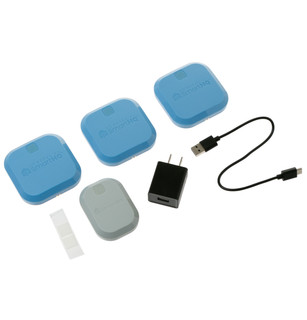
Specifications for SPLK30N01A with owner checks for this product design. Use the matching manual for control sequences and replacement parts.
Specifications & model details
SPLK30N01A: model-specific checks
Start with the source identity
GE SPLK30N01A is the exact code in this catalog record. This topic should be evaluated for that code and dryers category. The original source record is linked below; unrecorded settings, dates and compatibility remain unknown.
Use the exact dryer model’s specification document to compare capacity, fuel, power, venting, dimensions, and features against the home’s requirements.
Owner guide: Specifications
Category & symptom guidance
Specifications
4 minute read · Shared guidance for clothes dryers
Start with the full model code
Specifications belong to a model and often to a particular suffix. Find the appliance label first, then compare its complete code with the specification sheet or manufacturer support listing. Do not transfer a number from a product family page to a nearby version without checking the heading and model list. A gas and electric pair can share a capacity and cabinet while requiring different connections.
Separate published specifications from claims about your particular installation. A sheet can state that a model offers a venting direction or a smart feature, but it does not show whether the home has a suitable exhaust route, outlet, network, or available space. Treat the document as a model reference and compare each requirement with what is physically present.
Compare fuel and electrical data
First establish whether the exact unit is electric or gas. Then read its electrical requirements, plug or cord description, and any fuel rating together. Do not infer the circuit from the receptacle’s appearance or borrow values from a different fuel version. For example, LG’s DLEX4000/DLGX4001 sheet lists 240 V, 30 A for the electric version and 120 V, 15 A for the gas version; those are scoped figures for that family.
For a gas dryer, the listed electrical supply does not describe the gas connection. For an electric dryer, the rating does not confirm that the home circuit, receptacle, cord, and local installation meet requirements. Keep these as separate planning questions and have the installer compare the exact model’s instructions with the site conditions.
Interpret capacity and energy information
Capacity in cubic feet describes drum volume, not the weight of a load or a promise that every bulky item will dry well. Pair capacity with the household’s usual laundry, available washer output, and fabric-care needs. A sheet may list programs or sensor features; those describe controls, not an assurance about a particular load, fabric, or drying result.
Energy figures such as a combined energy factor are comparison data presented under a defined rating method. Do not treat them as a forecast of a household bill: usage depends on load size, cycle selection, moisture left by the washer, vent condition, and local energy prices. The Department of Energy’s consumer guidance explains dryer types and efficiency considerations for broader comparisons.
Check dimensions and connection options
Read product width, height, and depth separately from carton dimensions and door-open depth. If stacking or adding a pedestal, use the accessory dimensions and instructions for the same model family; the product’s listed height alone is not the installed height. Venting direction and the required side or rear clearance also affect whether a nominal cabinet measurement fits the intended location.
A specification sheet may list optional vent kits, LP conversion kits, cords, or pedestals. “Listed” does not mean included, compatible with every suffix, or approved for a particular installation. Confirm the accessory’s exact part reference with the manufacturer and the installation document before purchase.
Separate feature claims from requirements
A feature list helps compare convenience and fabric-care choices, but it should not replace a requirement check. Wi-Fi, steam, sensor drying, reversible doors, or a rack may be present only on certain models or may require conditions not described in a short listing. Verify the precise code and the owner instructions for setup and limitations.
For wider product comparisons, the DOE guide can explain how dryer design and use affect energy consumption. For the final fit, power, fuel, and exhaust decision, return to the exact model’s installation material. If two documents disagree, preserve both and ask manufacturer support which revision applies to the label code rather than selecting the more convenient value.
What to do with what you find
Model sheet and label agree on the complete code and fuel type.
Published requirements can be compared against the site.
Build a checklist for power, fuel, exhaust, clearances, and door swing.
A listing omits a suffix or conflicts with the appliance label.
The listed specification may describe another configuration.
Use the manufacturer support page to resolve the model-specific document before purchase or installation.
Have these details ready
Full model and serial label
Exact-model specification and installation documents
Measurements and connection details from the intended laundry location
Common questions
Does capacity tell me how large a load I can dry?
It gives drum volume, not a universal load-weight limit or guarantee for bulky items. Follow the model’s loading guidance and consider fabric and airflow.
Can I assume an optional vent kit fits because the sheet lists it?
No. Verify the accessory against the exact model code and installation instructions.
General background sources
These sources support the shared guide. Exact model specifications and matched family procedures have their own sources above.
Explicit product_first_distribution_date in exact OEM primary SKU record; not a manufacturing year or import date. Primary source: https://www.geappliances.com/appliance/UNIVERSAL-3-1-SMARTHQ-LEAK-DETECT-KIT-SPLK30N01A
Observed Oct 30, 2026
A comparison group built from recorded designs
GE dryers
29 records in this manufacturer/public-source group. The group uses the brand, category and recorded design, rather than a guessed series or production year.
2.88–28.0 width · 12 source values
0.62–16.0 height · 14 source values
2.88–25.0 depth · 5 source values
These are source-record ranges. They do not establish current availability, a shared repair platform or installation compatibility.