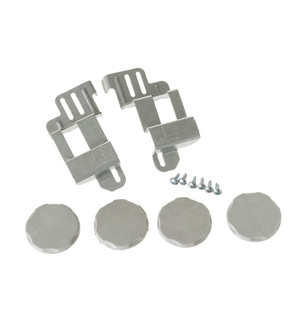
Specifications for GE24STACK with owner checks for this product design. Use the matching manual for control sequences and replacement parts.
Specifications & model details
GE24STACK: model-specific checks
Start with the source identity
GE GE24STACK is the exact code in this catalog record. This topic should be evaluated for that code and dryers category. The original source record is linked below; unrecorded settings, dates and compatibility remain unknown.
Estimate dryer operating cost from real household loads, exact model data, and local fuel prices. Keep gas and electric charges separate and show assumptions clearly.
Owner guide: Running cost calculator
Category & symptom guidance
Running cost calculator
5 minute read · Shared guidance for clothes dryers
Choose the right calculation inputs
A useful estimate begins with the dryer’s exact model and fuel configuration. Vented electric, vented gas, condenser, and heat-pump dryers do not share one comparable consumption figure. For gas, there is a gas cost plus a smaller electrical component; for resistance electric, the heat load is primarily electricity. A heat-pump dryer’s lower electricity demand and longer cycle pattern should be represented by its own published data rather than borrowing a vented model’s rating.
LG’s DLEX4000/DLGX4001 specification sheet lists CEF values for electric and gas versions, but CEF is not a direct price-per-cycle value. Use a DOE or manufacturer estimate that states its assumptions, or use an energy meter or utility data appropriate to the machine and installation. Preserve the source and units next to each input so a later estimate remains auditable.
Write down the complete model number, including electric or gas suffix.
Select a consumption figure whose units and test assumptions are stated.
Use current marginal energy charges, not the total bill divided by all usage if fixed fees are included.
Calculate annual cost from a per-load estimate
If a trustworthy source gives cost per load, multiply that figure by the number of loads in the period. For example, annual dryer cost equals cost per load × loads per week × 52. If the source gives energy per load, multiply by your electricity price per kilowatt-hour for electric use. For gas, convert the source’s gas quantity to the unit on your bill, multiply by the gas rate, and add electricity used by the appliance if the data provides it.
Do not silently mix a national average rate with a local bill rate or add taxes twice. Some utility bills include delivery charges that change with usage; others include fixed monthly charges that do not. Use the marginal charge that would rise with dryer use, and label any approximation. If the bill has time-of-use pricing, use the rate for the hours when drying normally occurs.
Choose your measured loads per week or per month.
Apply the same time period to both energy consumption and rate.
Show the arithmetic, units, and whether taxes or variable delivery charges are included.
Build an estimate from energy use
When consumption is stated per cycle, use: annual variable cost = energy per cycle × cycles per year × energy rate. For a gas dryer with both gas and electricity figures, calculate two subtotals and add them. If a published figure is annual consumption instead, multiply annual consumption by your rate only when its usage assumptions resemble your household; otherwise scale by load count if the source supports that adjustment.
For example, if your own source reports 3.2 kWh per cycle, you run 4 cycles weekly, and the relevant rate is 0.25 currency units per kWh, the electricity part is 3.2 × 4 × 52 × 0.25 = 166.40 per year. This is an arithmetic illustration, not a dryer performance claim. Replace every sample number with exact model and household inputs.
Keep consumption units and rate units compatible.
Calculate electricity and gas separately where both apply.
Round only the final total; retain unrounded intermediate values for comparison.
Use household observations without overreading them
A utility bill rarely isolates a dryer’s contribution from cooking, water heating, cooling, and other equipment. A before-and-after bill comparison is especially weak when the season, occupancy, or rate changed. If you use a whole-home meter, compare multiple similar weeks and account for other major usage changes. A plug meter is only appropriate where the dryer’s electrical connection and instrument rating permit it; most full-size electric dryers are not measured by ordinary plug-in meters.
For gas models, a gas meter reading includes every gas appliance unless the dryer can be isolated through a reliable method. Do not alter gas piping or electrical connections to obtain a measurement. If direct measurement is not practical, use model-specific standardized data and a transparent load count instead of guessing from the whole bill.
Record a baseline over several weeks with a consistent load pattern.
Note weather, occupancy, and major appliance changes that could confound the result.
Prefer published exact-model data when safe measurement is not available.
Separate energy cost from ownership cost
A running-cost estimate excludes purchase price, financing, installation, vent work, maintenance, and repair. To compare replacements, calculate the energy difference for the same annual load count, then compare that annual difference with the extra upfront amount. A simple payback estimate is extra installed cost ÷ annual energy savings. This is only a screening calculation: it does not discount future money, include repairs, or predict how long either machine will last.
Enter actual written quotes for installation, vent correction, and disposal. Do not substitute generic market averages, because location and site conditions can dominate. A heat-pump model may avoid a vent route but need different condensate handling; a gas-to-electric change may require electrical work. Include those line items only when they apply to the specific home and option.
Get owner-specific prices for the candidate machine and required installation changes.
Calculate annual energy cost for both machines using identical load frequency.
Report the payback result with its assumptions and omit lifespan claims.
Keep the calculator understandable
A good estimate shows a low, typical, and high use case without pretending to predict exact bills. Vary the number of loads or the rate, not the model’s technical performance, unless you have evidence for that variation. Keep gas and electricity subtotals visible, and identify whether you counted dryer-only energy or total household charges.
For a household deciding between two machines, the most useful output is the annual cost difference at its own usage level. Include the source date and the exact model variant; rates and product specifications can change. If the published source does not identify the fuel, test cycle, or units, treat it as insufficient for a numerical comparison and seek a better-matched source.
Save the input values and source references alongside the result.
Show annual and monthly figures derived from the same annual total.
Recalculate when rates, load frequency, or appliance configuration changes.
What to do with what you find
The source gives a CEF but no household load count or utility price.
It supports a standardized efficiency comparison but not a direct bill estimate.
Obtain matching energy-per-cycle or annual-use data and enter actual rates and loads.
A gas dryer’s estimate includes only gas consumption.
The appliance also uses electricity for operation, which may affect the total cost.
Add electrical consumption when available, or label the result as gas-only.
Have these details ready
Exact dryer model and fuel type
Consumption data with units and source assumptions
Marginal electricity and gas rates from current bills
Loads per week and any time-of-use schedule
Written installation and disposal quotes if comparing replacement options
Common questions
Should I divide my entire utility bill by dryer loads to get a per-load cost?
No. The bill includes other appliances and often fixed charges. Use the marginal energy rate and dryer-specific consumption data.
Can I use a national average electricity price?
Only for a broad illustrative estimate. Use your current marginal rate for a household decision and state the date and assumptions.
General background sources
These sources support the shared guide. Exact model specifications and matched family procedures have their own sources above.