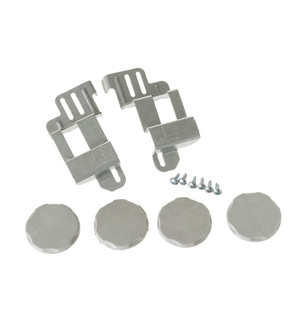
Specifications for GE24STACK with owner checks for this product design. Use the matching manual for control sequences and replacement parts.
Specifications & model details
GE24STACK: model-specific checks
Start with the source identity
GE GE24STACK is the exact code in this catalog record. This topic should be evaluated for that code and dryers category. The original source record is linked below; unrecorded settings, dates and compatibility remain unknown.
Use when and where a sound occurs to separate normal load movement from an installation or service issue.
Owner guide: Noise & vibration
Category & symptom guidance
Noise & vibration
3 minute read · Shared guidance for clothes dryers
Describe the sound and its timing
Listen from outside the closed dryer and describe the sound in plain terms: steady hum, rhythmic thump, scrape, squeal, or a single click. Note whether it occurs as the drum starts, continues throughout the cycle, changes with speed, or happens only when a particular load shifts. A phone recording from a safe distance can help support staff compare a recurring sound, but avoid placing a device inside the drum.
A brief change as a load settles is different from repeated metal scraping or a new sound that grows louder. Stop and inspect the load if a zipper, button, coin, or other loose object could be striking the drum.
Rule out load-created noise
Pause the cycle and check pockets, garment closures, and drum for loose objects once it is safe to do so. Separate a heavy item such as a blanket from small garments if the load is bunching into one dense mass. A bulky piece may roll and thump as it tumbles; redistribute it according to the garment care label and dryer instructions rather than adding more items to force balance.
If the sound follows one object between cycles, the item is a stronger candidate than the appliance. If it remains with an empty drum or a small, balanced load, record that distinction for the next decision.
Check the setup without moving the machine
A dryer that rocks or rattles against a nearby cabinet may transmit vibration even when the sound originates outside the drum. From the front, check whether all feet appear to sit firmly on the floor and whether the cabinet touches a shelf, wall, or washer. Do not tip a stacked appliance or reach beneath a loaded unit. Installation and leveling instructions depend on the model and stacking arrangement.
For a vented dryer, an accessible loose exterior duct or wall flap can rattle as air moves. Look only where visible and reachable without pulling the appliance out or disconnecting the duct. A condenser or heat-pump dryer does not use the same outdoor exhaust run, so inspect the parts described for that design instead.
Compare sound with operating state
Record whether the drum rotates, whether heat is present, and whether the sound changes when the cycle pauses. A hum with no drum movement, a persistent scrape, or a sharp squeal that returns on every load is more useful for diagnosis than the label “noisy.” Do not keep restarting a machine that stalls or makes a harsh grinding sound.
Gas and electric dryers differ in their heat source, but neither should be diagnosed by opening the cabinet. If the noise accompanies a gas odor, smoke, or a burning smell, stop use and follow the applicable emergency or utility guidance.
Decide when to request service
If removing an object or correcting an obvious contact point eliminates the sound, observe the next ordinary load. If noise persists with a balanced load, comes from inside the cabinet, or is paired with a drum that will not turn, arrange model-specific support. Include a recording, the cycle used, load type, and whether the unit is stacked or recently installed.
A similar dryer’s advertised quiet feature does not set a guaranteed sound level for yours. Use the exact manual and support page for owner checks; do not order a drum, roller, or belt based on a sound description alone.
What to do with what you find
Thump follows a bulky or uneven load and goes away after redistribution.
Load movement is a plausible source.
Use a balanced load and observe one cycle.
Scrape, squeal, or grinding repeats with an empty drum.
An internal moving part or installation issue may be involved.
Stop repeated operation and seek exact-model service guidance.
Have these details ready
Short recording from outside the dryer
Load type and cycle when sound occurs
Whether the drum rotates and heats
Whether the unit is stacked or recently moved
Common questions
Should I run an empty cycle to reproduce the sound?
Only if the sound is mild and there are no signs of scraping, overheating, or stalling. Do not repeat harsh or worsening noise.
Can I tighten a suspected internal part?
No. Cabinet and drive-system work should be handled through model-specific service.
General background sources
These sources support the shared guide. Exact model specifications and matched family procedures have their own sources above.
Explicit product_first_distribution_date in exact OEM primary SKU record; not a manufacturing year or import date. Primary source: https://www.geappliances.com/appliance/GE-Washer-Dryer-24-Stack-Bracket-Kit-GE24STACK