What is recorded for WF53BB8900ADUS
Samsung WF53BB8900ADUS — Spin Speed: 1200 rpm.
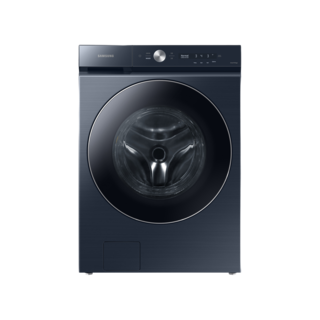
Samsung WF53BB8900ADUS
Washing machine · US market · 49 owner topics
Guidance for Samsung washing machines. Check the feature and control descriptions against your model.
Specifications & model details
Samsung WF53BB8900ADUS — Spin Speed: 1200 rpm.
Samsung WF53BB8900ADUS lists a maximum spin speed of 1200 rpm. That maximum is not a promise for every program or load. Compare the selected spin option and load balance before interpreting a lower observed speed as a motor fault. Save the exact code and cycle name if the machine stops.
Use the laundry load, cycle stage, and visible symptoms to narrow common washer problems while keeping diagnosis within owner-safe limits.
Category & symptom guidance
Check whether the door or lid is fully closed and whether the display indicates a pause, delay, or cycle selection. A washer may refuse to start if its closure is not detected. On the GE PTWN6250M, the manual says the lid must be closed for filling and starting; raising it stops fill, agitation, and spin while the timer continues. That behavior is specific to this model, so consult your washer’s own control instructions.
If the controls appear unresponsive, use only the manual’s stated cancel or restart procedure. Do not try online button combinations for another model. Note whether power is present at the outlet through ordinary household observation, but do not remove covers or handle wiring. If a breaker trips again, the cord is damaged, or the machine smells hot or burnt, stop and arrange diagnosis.
First consider load size, item distribution, detergent type, and amount. An overloaded basket or items packed tightly together can prevent movement and rinsing. Measure detergent according to its label and the washer instructions; excess detergent can leave residue and oversuds. For a high-efficiency top-load washer, low visible water can be normal during sensing and washing. Whirlpool’s guidance describes this for HE sensing top-loaders, but it does not establish that every model uses the same behavior.
Separate laundry by care label, soil, fabric, color, and lint behavior as the manufacturer directs. If residue continues, try a correctly sized load with the right detergent amount and examine whether the dispenser is visibly blocked or leaking product. Do not pour extra bleach, softener, or cleaner into the basket as a remedy. If cleaning remains poor across several correctly loaded cycles, use the exact model’s troubleshooting guidance.
Pause and inspect the load after the tub has stopped. A single bulky item, bedding twisted into a bundle, or several heavy items clumped on one side can produce an unbalanced spin. Redistribute items loosely and retry the spin only if the washer manual permits. If the washer is newly installed or was moved, installation details such as shipping restraints, level, and a firm floor can matter; do not adjust feet or dismantle anything unless the installation guide gives an owner procedure.
Wet clothing may reflect an unbalanced load, a selected cycle with a slower spin, excess suds, or a drain problem. Check the chosen cycle and whether water remains in the drum. If water is present, follow only the manual’s drain guidance. Repeated banging with a balanced load, movement across the floor, or failure to spin after a normal redistribution suggests an installation or mechanical issue that needs diagnosis.
Look for a visible puddle and identify whether it began during fill, wash, or drain. Check accessible hose surfaces and the floor around the washer, but do not pull the machine out if that could strain connections. A leak at a hose, a leak from the door area, and water left in the drum point to different checks. Close accessible water valves if a leak is active. Do not continue cycles to see whether the leak gets worse.
A new grinding, scraping, repeated impact, burning smell, or smoke calls for stopping use. Some washers make pauses, hums, or changing sounds as they sense or agitate, so compare the sound and stage with the exact manual before concluding failure. Do not remove panels or reach into the drum while it moves. If the symptom recurs after an owner-level check, arrange service and describe when it occurs and what the load was doing.
Low visible water can be part of sensing operation; the amount alone is not evidence of a fault.
The cause may involve installation or a mechanical fault rather than load distribution.
Fill time, sensing, and load balancing can affect progress on some washers. Compare the display and pause behavior with your model’s manual; a persistent stall needs diagnosis.
Use only a reset or cancel sequence documented for the exact model. Unverified combinations can change settings or fail to address the cause.
These sources support the shared guide. Exact model specifications and matched family procedures have their own sources above.
Owner guidance by Specs & Parts, drafted with GPT-6 Luna. Sources and scope.