What is recorded for WF53BB8700AVUS
Samsung WF53BB8700AVUS — IWF: 2.9.
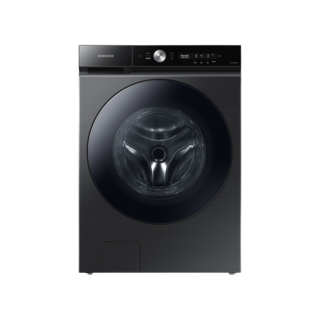
Samsung WF53BB8700AVUS
Washing machine · US market · 49 owner topics
Guidance for Samsung washing machines. Check the feature and control descriptions against your model.
Specifications & model details
Samsung WF53BB8700AVUS — IWF: 2.9.
Separate mineral scale from detergent residue and washer odor, then choose a treatment only when the washer and product instructions support it.
Category & symptom guidance
Hard water minerals can leave pale, chalky deposits on fixtures and may contribute to deposits in a washer. Detergent residue more often feels slick or soapy, may appear as streaks or flakes, and can build up when too much product is used or rinsing is poor. Fabric fibers, lint, and soil can also look like flakes. Color and texture offer clues, not a definitive diagnosis.
Check several places before treating the machine: the dispenser, basket or drum, nearby faucet, and recently washed fabric. If the same white crust appears on other water-using fixtures, household water hardness may be relevant. If only laundry has spots, review detergent amount, load size, and fabric care. Do not scrape a coated basket or seal to collect a sample.
If scale is a recurring concern, use a water-hardness test or a recent water utility report rather than guessing from one mark. Water hardness is commonly reported as mineral concentration; the result helps distinguish a household water condition from a washer-specific residue problem. A water softener or treatment device has its own settings and maintenance instructions, so confirm that it is operating as intended before changing washer products.
Avoid adding vinegar, citric acid, or a commercial descaler as an experiment. Acids can affect materials, and washer manufacturers may restrict products or direct owners to a specific cycle. Never combine acids with chlorine bleach. Check the washer manual and the treatment label for permitted use, amount, and cycle. If either source is silent, do not assume a substance is safe for seals, finishes, or plumbing.
For a film that appears after laundry, measure detergent according to its label and the washer’s dispenser directions. Consider load size, soil, water hardness, and whether the product is concentrated. More detergent can worsen residue, especially in a low-water high-efficiency machine. Use detergent labeled for HE machines where the washer requires it. Do not put extra product directly into the drum to compensate for a dispenser problem.
Clean only accessible surfaces by the method allowed in the washer manual. If the washer has a manufacturer-specified tub-clean cycle, use its stated product and directions. A cleaning cycle for odor or detergent buildup is not necessarily a mineral descaling cycle. Keep bleach, acids, and other cleaners separate, and rinse any removable dispenser part only if the instructions permit removal.
If deposits return soon after a manufacturer-approved cleaning, note where they form and whether cycles are taking in or draining water normally. A blocked dispenser passage, damaged component, or water-supply issue can resemble a scale problem. Do not insert wires or tools into ports, valves, or drain openings, and do not dismantle the washer to inspect hidden deposits.
For household hardness treatment, use a water professional or the treatment-system manufacturer when the test result is outside the system’s stated range or the softener is not regenerating as expected. For a washer fault, use the appliance maker’s diagnosis process. The useful distinction is whether the residue tracks the home’s water, the laundry product, or a specific washer function; treatment should follow that evidence.
Household mineral content may be contributing, though it does not prove a washer fault.
Excess or poorly dispensed detergent is more likely than confirmed scale.
Only if the exact washer instructions and product guidance permit it. Never combine vinegar or another acid with chlorine bleach.
Not necessarily. Its purpose and approved products depend on the model; do not treat a cleaning cycle as a descaling instruction unless the manual says so.
These sources support the shared guide. Exact model specifications and matched family procedures have their own sources above.
Owner guidance by Specs & Parts, drafted with GPT-6 Luna. Sources and scope.