What is recorded for MAD22C1AWS
Midea MAD22C1AWS — Dehumidifier type: Portable Dehumidifier.
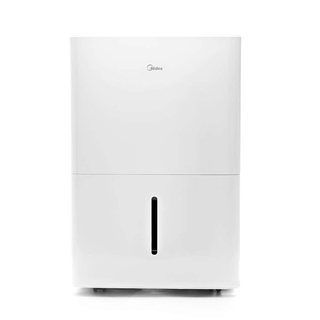
Midea MAD22C1AWS
Source model name: Dehumidifiers
Dehumidifier · US market · 41 owner topics
Specifications for MAD22C1AWS with owner checks for this product design. Use the matching manual for control sequences and replacement parts.
Specifications & model details
Midea MAD22C1AWS — Dehumidifier type: Portable Dehumidifier.
Find a local program or hauler that explicitly accepts dehumidifiers and handles refrigerant-bearing appliances appropriately. Prepare the unit safely and follow any exact-model recall disposal instructions.
Category & symptom guidance
A dehumidifier may contain refrigerant and electrical components, so do not assume a curbside bin, scrap collector, or general electronics event accepts it. Contact your city or county waste program, appliance recycler, or collection event and ask specifically whether it accepts dehumidifiers. Confirm the location, hours, fees, drop-off rules, and whether the program handles refrigerant recovery as required. If a retailer or hauler is taking the old unit during delivery, ask the carrier to confirm acceptance before the appointment. Keep the model information available in case the program has special instructions. An online list that mentions appliances generally may not establish acceptance of this particular appliance, so get confirmation from the program that will receive it.
Look up the unit’s model and date information in the Consumer Product Safety Commission’s dehumidifier recall listings before arranging ordinary recycling. A recall notice may direct owners to stop using the unit and may specify a refund, collection, or disposal process. Follow the notice for the exact product rather than relying on a generic recycling plan. If the unit may be recalled but the label is unreadable, contact the manufacturer or recall administrator using the notice details and provide whatever identifying information remains. Do not pass a recalled appliance to another owner or leave it where someone could retrieve and use it. Keep documentation of the recall remedy or disposal arrangement if the program requests proof.
Once the unit is disconnected and any recall instructions permit preparation for disposal, remove and empty the bucket. Pour collected water into a suitable drain without spilling it on floors or near electrical equipment. Remove the filter only if the product instructions or receiving program call for it; ask how the filter should be discarded. Do not detach tubing or open the cabinet to drain refrigerant or reach internal parts. Wipe accessible standing water from the bucket area and let removable parts drain. Secure the power cord so it does not trail during handling, and keep loose accessories together if the program wants them. Follow program-specific directions if they differ from ordinary preparation.
Check the route from the unit to the vehicle and ask for help with lifting if its weight or shape makes handling difficult. Keep the appliance upright if the manufacturer or receiving program requires that orientation, and secure it so it cannot shift in transit. Do not leave it at the curb unless the program has explicitly arranged collection and confirmed that this unit is eligible. For a delivery haul-away, verify that the crew will take a dehumidifier and whether it must be disconnected, emptied, or placed at a particular location. At drop-off, tell staff if the unit is subject to a recall or has damage, and follow their instructions for unloading and documentation.
Keep the dehumidifier intact for pickup. Do not cut tubing, open the refrigeration circuit, or remove sealed components; those actions can release refrigerant and create a service hazard. EPA includes dehumidifiers among household appliances with cooling elements and describes recovery requirements for the disposal chain. Ask the municipal program, retailer, or recycler whether it accepts refrigerant-containing dehumidifiers and whether transport, pickup, or fees differ from ordinary small-appliance recycling. If the unit is under a recall, follow the recall remedy first because it may specify a refund or return process. Remove only accessible water and removable items the manual identifies, then place the unit where the accepted provider can collect it without tipping or damaging the case. A recycling site that accepts electronics may still refuse a dehumidifier; confirm acceptance before loading it into a vehicle.
Acceptance and proper handling for this appliance type remain unverified.
The recall remedy governs what happens to that exact unit and may provide a specific collection or refund route.
The old unit may be refused on delivery day, leaving you without an arranged disposal route.
Only if your local program explicitly accepts it that way. Ask about dehumidifiers, refrigerant handling, and collection rules before setting it out.
No. Keep the unit intact and use a program that handles the appliance appropriately.
These sources support the shared guide. Exact model specifications and matched family procedures have their own sources above.
Owner guidance by Specs & Parts, drafted with GPT-6 Luna. Sources and scope.
Recorded model facts
| Specification | Recorded value | Evidence |
|---|---|---|
| Rated water-removal capacity | 22.31 pints/day | CertificationENERGY STAR — Dehumidifiers dehumidifiers.csv; row 463; ENERGY STAR ID 4512373 Certification dataset declaration; check manufacturer installation documents for fit and clearances. Observed Oct 31, 2026 |
| Connected capability | No | CertificationENERGY STAR — Dehumidifiers dehumidifiers.csv; row 463; ENERGY STAR ID 4512373 Certification dataset declaration; check manufacturer installation documents for fit and clearances. Observed Oct 31, 2026 |
| Dehumidifier type | Portable Dehumidifier | CertificationENERGY STAR — Dehumidifiers dehumidifiers.csv; row 463; ENERGY STAR ID 4512373 Certification dataset declaration; check manufacturer installation documents for fit and clearances. Observed Oct 31, 2026 |