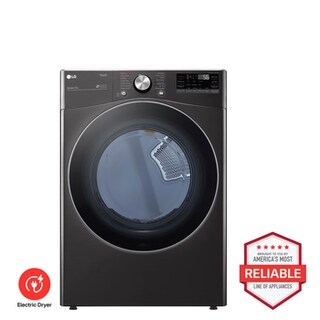
An exact LG U.S. dryer family pairing electric DLEX models with gas DLGX models. The matching specification sheet lists 7.4 cu. ft. capacity, 14 cycles, and family-specific electrical and venting details; use the exact code for utility and installation instructions.
Dryer capacity
7.4 cu ft
Dryer configuration
Front Load Dryer
Product width
27 in
2 detailed family articles0 short family notes45 detailed owner guides
Detailed articles use sources for the named brand and product family. Short notes add family details to shared guidance. Owner guides cover the product category and recorded design, with this model’s measurements and brand details shown separately. Exact controls and part fitment require a matching manufacturer source.
Find and record the dryer’s full model and serial labels, then use them to distinguish look-alike gas and electric versions and locate the correct support information.
Use the exact dryer model’s specification document to compare capacity, fuel, power, venting, dimensions, and features against the home’s requirements.
Use the full model identifier to find the correct dryer instructions, then keep installation, care, warranty, and purchase records together for the questions they can answer.
Prepare the location by confirming dryer type, utilities, exhaust or condensation handling, clearances, delivery access, and any model-specific accessories.
The DLEX4200/DLGX4201 spec sheet lists 7.4 cu. ft. capacity and product dimensions of 27 x 39 x 30 1/8 inches, with 51 3/8 inches depth when the door is open. Use those product dimensions for fit planning, then follow the installation...
Plan a dryer move around its fuel type, vent route, access dimensions, and manufacturer handling requirements. After delivery, verify connections and operation before relying on the appliance.
Learn what the selected controls change, resolve a locked or app-dependent control using model-specific directions, and choose options that match the fabric and load.
The DLEX4200/DLGX4201 family lists 14 dryer programs and 12 options, including Sensor Dry, TurboSteam, ThinQ, and Smart Pairing. The matching manual explains that Sensor Dry changes the estimated time as the moisture sensors assess the...
Choose heat according to fabric care instructions and the selected program; understand that temperature choices may be limited by cycle and dryer design.
Use a restart to clear a temporary interruption, then use the dryer’s response to decide whether the cause is power, airflow, settings, or a fault needing service.
Set up connectivity using the appliance’s own pairing instructions, then separate app, network, account, and dryer-control problems before changing settings.
Build maintenance around lint control, correct airflow, and the moisture system your dryer actually uses; let alerts and performance changes guide further action.
Decide whether a dryer part is actually worn out, gather the details needed to identify a replacement, and avoid substituting parts by appearance alone.
Understand dryer energy use by separating appliance design, household setup, and laundry habits. Compare like with like, then target the factors you can change.
Estimate dryer operating cost from real household loads, exact model data, and local fuel prices. Keep gas and electric charges separate and show assumptions clearly.
Find the warranty that matches the exact dryer and purchase, then prepare a focused support request using the symptom, proof of purchase, and any relevant notices.
Check official recall databases using the appliance’s complete identity, then follow the notice’s exact remedy and discontinue use when its instructions require it.
Establish a dryer’s identity and timeline from labels and documents, then use official model records to understand what is known without guessing age from styling.
Review a dryer listing by separating measurable specifications, installation constraints, and features that need confirmation for the exact model and household.
Compare dryer designs and individual models by matching the way they heat, vent, fit, and handle the loads you dry. A feature list matters only when the installation and household needs line up.
Plan a dryer replacement around the existing fuel, venting, access route, and room dimensions. Confirm the proposed unit's exact installation requirements before arranging delivery or removal.
Build a reliable dryer budget from current seller quotes for the exact model and installation. Compare total delivered cost and confirm stock and service scope before committing.
Prepare useful information for a dryer service visit, describe the symptom clearly, and distinguish an appliance fault from an installation or airflow concern. Arrange service when the issue involves gas, electrical connections, or...
Plan dryer removal by separating appliance haul-away from material recycling, confirming local acceptance, and protecting the delivery route. Electric, gas, and ventless models have different disconnection and handling needs.