Appliance & electronics support
Find your model numberAbout our sources
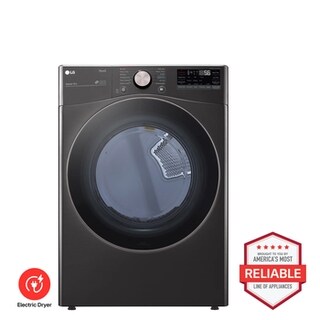
LG DLEX4000B Electric Dryer with Sensor Dry and Americas Most Reliable Line of Appliances badge - Front View
Photo: DLEX4000B. Photo source
Manufacturer sources

LG DLEX4000B

Preventive maintenance

Clothes dryer · US market · 47 owner topics

LG DLEX4000 / DLGX4001 front-load dryer family

Covers DLEX4000B and the manufacturer-listed models in this family.

LG DLEX4000 / DLGX4001 front-load dryer family

Keep airflow and sensor drying reliable on the 4000 family

The DLEX4000/DLGX4001 family is a vented 7.4 cu. ft. dryer with Flow Sense, Sensor Dry, and a front lint filter. LG’s manual connects long drying to lint buildup, restricted exhaust, mixed fabric weights, overload, underload, or settings that do not suit the load. Routine care is mostly a quick filter clean and sensible load/cycle choice.

The family sheet lists up to four-way venting on electric variants and three-way on gas variants; it does not mean every rear/side/bottom route is automatically acceptable. Use the matching installation diagram and model code for any vent reroute. The dryer exhausts outdoors, and vent work inside walls belongs with a qualified vent professional.

  1. Clean and reinstall the lint screen before each cycle; make sure the outside vent path is not visibly blocked.
  2. Use a smaller consistent load for heavy fabrics and choose the matching cycle; use Manual/Time Dry when the load is too small for sensor contact.
  3. Arrange professional duct cleaning for a persistent Flow Sense restriction or concealed lint buildup.

Clean the lint filter before every load

Pull out the filter and remove lint before each use. For residue that does not brush away, the owner manual allows more thorough cleaning; reinstall only after the filter is fully dry. A wet or clogged screen restricts air and can lengthen cycles. With lint-heavy loads such as new towels, LG says it may be necessary to pause and clear the filter during the cycle.

Hold the clean filter up to a light. If the mesh looks blocked by softener residue or is torn, follow the manual’s cleaning or replacement guidance. Do not run the dryer without the filter seated. Keep the filter slot clear of loose lint, but do not push tools into the duct or blower opening.

  1. Remove and clean lint filter before each load; fully dry it after washing before returning it to the dryer.

Use Flow Sense as an exhaust clue

Flow Sense on the 4000 family detects restricted duct airflow. Four bars or a lit indicator during a cycle calls for checking a long, sharply turned, crushed, or lint-restricted exhaust route. Look behind the dryer only if the transition is safely visible and the appliance can remain connected; do not pull the dryer out by its vent or gas line.

Check that the outside vent hood flap can move and is not covered by snow, lint, or landscaping. If the problem appears to be in a wall or ceiling duct, arrange professional cleaning. The owner manual says a severely restricted exhaust is dangerous; stop use if the dryer shows the severe restriction warning rather than running another test cycle.

Keep loads within Sensor Dry’s useful range

Sensor Dry estimates moisture from the load; small loads may not maintain contact with the sensor and can stop before very small items are dry. The manual recommends Manual/Time Dry for a very small load or adding a few wet items for adequate tumble contact. A single comforter can ball up with a dry surface and damp center; pause and rearrange it if the care label permits.

Sort heavy towels and jeans apart from light synthetics. A heavy item retains more moisture and takes longer; a lighter item mixed in may dry first and affect the sensor result. Divide very large loads rather than increasing heat for everything. Follow garment labels and the 4000 cycle chart.

Use the humidity sensor and door area gently

LG’s maintenance guidance recommends wiping lint or residue from the moisture sensor with a dry cloth. The sensor sits near the lint filter area; clean only the visible sensing surfaces described in the manual. Do not scrape them or spray cleaner into the opening. Residue can make automatic dry-time readings less reliable.

Wipe lint from the door gasket and surrounding ledge, then check the drum for forgotten objects. After a TurboSteam cycle, condensation may remain; dry the interior with a soft towel as the general LG maintenance article advises. The manual warns that the steam nozzle can be hot during or after a steam cycle, so avoid touching it.

Know what needs a vent cleaner or service

If filter and load corrections do not improve drying and Flow Sense remains active, have the home exhaust checked for length, elbows, crushed sections, and lint inside the duct. A professional can inspect a concealed route without asking you to dismantle the appliance. Avoid installing an unauthorized booster fan; the manual prohibits it.

If the dryer remains cold after the Energy Saver and supply checks, a code returns, or a gas/electrical connection seems abnormal, request LG service. The manual’s owner checklist does not establish a failed component. Give service the exact model, DLEX/DLGX fuel type, display result, cycle, and recent vent work.

Filter is clean but four Flow Sense bars return.

The problem may be beyond the removable lint filter, such as a crushed or restricted household duct.

Stop repeated drying and have the exhaust route inspected.

A small load stops while items remain damp.

Sensor Dry may not be getting consistent contact with a very small load.

Use the manual’s Manual/Time Dry option or add suitable items for a balanced tumble.

Only heavy items stay damp in a mixed load.

Heavy fabrics retain more moisture and the lighter pieces can dry first.

Sort by fabric weight and dry bulky items in a smaller load.

Common questions

How often should I clean the lint screen?

Before every load. The manual also says lint-heavy loads may need an extra check during a cycle.

Can I install a booster fan to fix a long vent?

No. The owner manual for this family says not to install a booster fan in the exhaust duct.

Specifications & model details

DLEX4000B: model-specific checks

Use the recorded energy source

LG DLEX4000B is listed as Electric. Record power-on, tumbling and heat as three separate observations. Start a slow-drying check with the selected program, load and owner-accessible lint path. The supply rating and any burner or heating-circuit diagnosis require the original requirements for this model.

Recorded model facts

Model details relevant to this topic

SpecificationRecorded valueEvidence
Dryer capacity7.4 cu ft
Manufacturer
7.4 cu. ft. Front Load Electric Dryer - DLEX4000B | LG USA

Individual LG USA PDP: page title and main product heading identify DLEX4000B. Exact specification values are cross-checked against the linked family sheet; see documents and fact contexts.

Official LG US product page visibly names DLEX4000B; family specification sheet DLEX4000_ / DLGX4001_ Spec Sheet lists the same literal model code. Product Features (Type, Capacity, Color, Electrical Requirements, Venting Option, separate electric/gas Dimensions) and UPC CODES table. Supporting manufacturer sheet: https://www.lg.com/us/support/products/documents/DLEX4000_%20DLGX4001_%20Spec%20Sheet.pdf

Observed Oct 27, 2026
Dryer configurationFront Load Dryer
Manufacturer
7.4 cu. ft. Front Load Electric Dryer - DLEX4000B | LG USA

Individual LG USA PDP: page title and main product heading identify DLEX4000B. Exact specification values are cross-checked against the linked family sheet; see documents and fact contexts.

Official LG US product page visibly names DLEX4000B; family specification sheet DLEX4000_ / DLGX4001_ Spec Sheet lists the same literal model code. Product Features (Type, Capacity, Color, Electrical Requirements, Venting Option, separate electric/gas Dimensions) and UPC CODES table. Supporting manufacturer sheet: https://www.lg.com/us/support/products/documents/DLEX4000_%20DLGX4001_%20Spec%20Sheet.pdf

Observed Oct 27, 2026
Exact listed model codeDLEX4000B
Manufacturer
7.4 cu. ft. Front Load Electric Dryer - DLEX4000B | LG USA

Individual LG USA PDP: page title and main product heading identify DLEX4000B. Exact specification values are cross-checked against the linked family sheet; see documents and fact contexts.

Exact model identity, confirmed on individual US PDP and matching family sheet model/UPC row. Supporting manufacturer sheet: https://www.lg.com/us/support/products/documents/DLEX4000_%20DLGX4001_%20Spec%20Sheet.pdf

Observed Oct 27, 2026
Manufacturer UPC048231028356
Manufacturer
7.4 cu. ft. Front Load Electric Dryer - DLEX4000B | LG USA

Individual LG USA PDP: page title and main product heading identify DLEX4000B. Exact specification values are cross-checked against the linked family sheet; see documents and fact contexts.

Exact code and UPC appear together in the family specification UPC CODES table. Supporting manufacturer sheet: https://www.lg.com/us/support/products/documents/DLEX4000_%20DLGX4001_%20Spec%20Sheet.pdf

Observed Oct 27, 2026
Manufacturer-listed colorBlack Steel
Manufacturer
7.4 cu. ft. Front Load Electric Dryer - DLEX4000B | LG USA

Individual LG USA PDP: page title and main product heading identify DLEX4000B. Exact specification values are cross-checked against the linked family sheet; see documents and fact contexts.

Official LG US product page visibly names DLEX4000B; family specification sheet DLEX4000_ / DLGX4001_ Spec Sheet lists the same literal model code. Family specification lists this color suffix. Supporting manufacturer sheet: https://www.lg.com/us/support/products/documents/DLEX4000_%20DLGX4001_%20Spec%20Sheet.pdf

Observed Oct 27, 2026
More background: Preventive maintenance

Category & symptom guidance

Preventive maintenance

Make each load part of maintenance

Clear lint from the screen after every load and reinstall it correctly before starting the next cycle. Inspect the screen periodically for tears or distortion; a damaged screen can let lint move into areas not intended for owner cleaning. Remove loose lint from the door opening and surrounding recess while the dryer is off and cool.

Keep loads sorted by fabric weight and avoid overfilling. Dense, tangled loads can dry unevenly and extend operation, while items that shed heavily can add lint rapidly. Check pockets for paper and other debris before drying. These habits reduce avoidable buildup without requiring a fixed calendar interval that may not match household use.

Maintain a vented dryer’s exhaust route

For a vented model, keep the exterior exhaust outlet unobstructed and watch for a flap that cannot move freely during operation. From a safe, reachable position, look for a crushed flexible section, a disconnected joint, or visible lint at the outlet. Do not move a heavy dryer or disturb a gas connection to inspect behind it.

Longer drying, weak airflow at the outlet, or a duct-clog warning can point to a restriction. The full duct route may need cleaning, especially where it travels a long distance or bends through a wall. Use an appropriate duct-cleaning service or follow the installation instructions; do not use a dryer with a visibly blocked exhaust or attempt to clear an inaccessible run by opening the appliance.

Maintain condenser and heat-pump designs

A condenser dryer does not discharge moisture through the same exterior duct as a vented unit. Empty its water container when indicated, or confirm that a drain hose is correctly arranged if the model uses direct drainage. Clean the lint filters and condenser area at the intervals and by the method the owner instructions specify; designs differ in whether the exchanger is removable or owner-accessible.

Heat-pump dryers also depend on clean filters and a clear heat-exchange path. Their lower operating temperatures and different airflow mean a vented-dryer checklist is incomplete. If a filter or exchanger indicator returns after cleaning, or drying performance falls, stop at owner-accessible maintenance and consult the exact model’s instructions rather than probing fins or internal components.

Keep the installation conditions workable

Leave the clearances and room ventilation specified for the dryer, especially in a closet. A confined space can trap heat and moisture, affecting comfort and performance. The LG DLEX5500/DLGX5501 specification material, for example, gives closet ventilation openings and clearance guidance for that family; those dimensions should not be transferred to a different model. Use your installation instructions for the actual unit.

Check that the dryer sits level and does not rock, and keep the intake and surrounding area free of stored items that block air movement. Do not stack or alter the installation unless the exact models and approved hardware support that arrangement. If the unit has shifted or the vent connection is strained, arrange correction before continued use.

Use performance changes as an inspection signal

Compare a similar fabric load and cycle over time rather than judging from one unusually wet or oversized load. If drying suddenly takes longer, check the selected dryness level, load size, screen condition, and—on vented machines—the accessible exhaust route. On condenser and heat-pump machines, check the indicated reservoir and filters instead. A change that remains after these checks deserves attention.

For energy use, the DOE explains that dryer efficiency depends on design and use. Practical habits include drying compatible loads together and avoiding unnecessary repeated cycles. Do not use a maintenance routine as a reason to run an empty heated cycle unless the manufacturer specifically calls for it.

Record only evidence that helps the next decision

A useful maintenance note is a change, not a log of every ordinary load: recurring airflow indicator, repeated longer drying on comparable loads, visible duct damage, or filter condition that changes quickly. Include the date and what owner-accessible step was taken. For a repair request, note whether the dryer is gas or electric and whether it vents outside, condenses moisture, or uses a heat pump.

If a recall question arises, search the CPSC recall database using the brand and exact model identifier. A feature sheet or age estimate cannot establish recall status. Stop using a dryer when an official recall instruction says to do so, or when overheating, smoke, or an electrical or gas warning appears.

What to do with what you find

Routine lint removal and the design-specific filters remain clear, with stable drying on comparable loads.

The owner maintenance steps are keeping accessible airflow and moisture handling in order.

Continue the same practical checks and respond to any new indicator.

Drying worsens, a restriction alert persists, or visible duct damage is found.

The accessible routine did not clear the cause; additional exhaust or appliance assessment may be needed.

Stop using a blocked vented dryer and arrange appropriate inspection.

Have these details ready

  • Dryer type and gas or electric heat source.
  • Recent drying-time change, alert, and comparable load/cycle details.
  • Condition of lint screen, accessible filters, reservoir, and visible exhaust route.

Common questions

How often should the entire vent be cleaned?

Use the duct route, lint accumulation, alerts, and drying changes as guides; the needed interval depends on installation and use.

Are all dryer filters maintained the same way?

No. Vented, condenser, and heat-pump designs handle moisture differently. Follow the exact model’s directions for each owner-accessible filter or exchanger.

General background sources

These sources support the shared guide. Exact model specifications and matched family procedures have their own sources above.

  1. www.cpsc.gov/Safety-Education/Safety-Guides/Home-Fire-Electronics-and-Electrical/Overheated-Clothes-Dryers-Can-Cause-Fires
  2. www.lg.com/us/support/products/documents/DLEX4000_%20DLGX4001_%20Spec%20Sheet.pdf
  3. www.energy.gov/cmei/buildings/consumer-clothes-dryers
  4. www.energy.gov/sites/prod/files/2022-08/energy-saver-guide-2022.pdf
  5. www.cpsc.gov/Recalls

Owner guidance by Specs & Parts, drafted with GPT-6 Luna. Sources and scope.

Sources for DLEX4000B

Suggest a correction