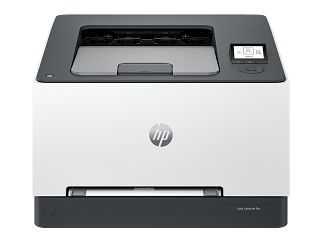
Guidance for HP printers & imaging. Check the feature and control descriptions against your model.
Specifications & model details
499Q9F: model-specific checks
What this model’s energy figure means
HP 499Q9F is listed at 14.04 kWh/year. Using an illustrative $0.20/kWh, that is $2.81 per year, or $0.23 per month, on the source’s annual test basis. For your rate, multiply 14.04 by your electricity price per kWh. Compare labels from the same test method; age, actual use, water heating and load choices can change the household result.
HP 499Q9F records typical electricity consumption of 0.27 kWh/week. Keep the source’s weekly workload/test basis visible; it is not an appliance annual-kWh measurement. Printer duty, sleep behavior and job mix can change real consumption.
Estimate printer ownership from energy, official supply yields, paper, maintenance, and page mix.
Owner guide: Running cost calculator
Category & symptom guidance
Running cost calculator
3 minute read · Shared guidance for printers & imaging
Start with model-specific energy data
Find the printer’s ENERGY STAR record or manufacturer power data for the exact model. Note whether the measurement is Typical Electricity Consumption or Operational Mode and what product class it covers. The ENERGY STAR imaging criteria use different approaches for laser office devices and many home inkjets, so compare like with like.
If your model lists weekly kWh, multiply by your electricity price per kWh to estimate that week’s energy cost. Keep the same operational assumptions and do not treat the certification threshold as your measured usage.
Estimate supplies from your document mix
Use official cartridge, bottle, toner, drum, and maintenance-box yields as starting points. Yield figures use defined tests and coverage; a photo-heavy household or dense reports can consume supplies faster than sparse text. Separate black and color use and include the paper type. For tank systems, account for included ink and refill bottle code; for laser, determine whether drum and toner are separate.
Do not divide purchase price by yield and present the result as exact cost per page. It is a scenario based on the stated test and your actual coverage.
Include paper, maintenance, and idle use
For a more complete estimate, include paper, duplex rate, cleaning cycles, waste containers, drums, rollers, and any periodic service kit. A low page cost based only on ink or toner omits those costs. If measuring electricity, record print volume, color mix, warm-up, sleep periods, and device settings over a representative week.
ENERGY STAR’s criteria consider power modes; your printer’s network and sleep configuration can change actual use. A cloud-ready multifunction device may remain connected for wake features.
Compare scenarios transparently
Use the same monthly page count and black/color mix for candidate printers. Calculate an annual estimate using official yields, supply prices, paper, and energy data, then label assumptions. Add the purchase price and required accessories separately. A tank printer’s high initial cost, a cartridge printer’s supply cost, and a laser printer’s toner/drum schedule are different ownership patterns; exact models matter.
Round estimates and avoid promising guaranteed savings. Changes in photo coverage, cleaning, and local electricity rates can move the actual cost.
Use a simple annual cost worksheet
List model and supply codes, purchase price, expected black and color pages per month, official yields, paper cost, maintenance items, and energy source. Estimate each supply separately rather than combining black and color into one yield. Add one-time expenses such as a drum or maintenance box in the year they are likely to occur, without assuming a fixed lifetime that the manufacturer does not state.
Use the same monthly volume and document mix for each candidate. Label costs as estimates and update them when supply prices or utility rates change. This gives a transparent comparison without promising a particular bill.
Separate recurring supplies from occasional maintenance parts in the worksheet. A drum or fuser replacement can occur infrequently but materially change one year’s cost; show it as a scenario rather than spreading it into a guaranteed per-page figure.
General background sources
These sources support the shared guide. Exact model specifications and matched family procedures have their own sources above.