Appliance & electronics support
Find your model numberAbout our sources
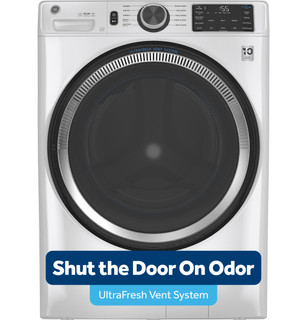
GE GFW550SSNWW product photo
Photo: GFW550SSNWW. Photo source
Manufacturer sources

GE GFW550SSNWW

Troubleshooting & repair

Washing machine · US market · 49 owner topics

GE GFW550 front-load washer manual family

Covers GFW550SSNWW and the manufacturer-listed models in this family.

GE GFW550 front-load washer manual family

GFW550: follow the water through the cycle before calling for repair

When a GFW550 finishes with wet clothes, water in the basket, or a damp odor, the order of events matters. Note whether the washer filled, tumbled, drained, spun, and unlocked. A load that never reached spin points to a different check than a washer that spins but leaves water behind.

This GFW550 group uses a front-load door seal and drawer dispenser. After removing laundry, use the UltraFresh Vent pad only when it appears on your control: close the empty door and press the blinking pad. The exact manual describes the door staying locked while the drum turns intermittently at low speed for up to eight hours.

First record the stopped stage

Write down the selected cycle, the last status light or message, whether the drum contained standing water. If the cycle stopped during fill, look at the household hot and cold supply valves and whether another tap has normal flow. If it stopped at drain or spin, record whether water level fell and whether the pump made its usual sound.

Keep one change at a time. Repeatedly cancelling or restarting erases the sequence and can turn a partial drain into a new cycle. If water is visible at the floor, stop the cycle at the controls and turn off the supply valves only if they are safely reachable without standing in water. Do not pull the washer forward while hoses are wet or pressurized.

Separate an unbalanced load from a drain fault

A bulky blanket, bath mat, or a few heavy garments can gather on one side of a front-load basket. The washer may reduce or delay spin to correct the imbalance, leaving laundry wetter than expected even though it drained. Redistribute the items, remove one heavy piece if the drum is packed, and run the manual’s Rinse & Spin choice when appropriate. A recurring wet load with a balanced, ordinary-size load deserves a different diagnosis.

If water remains at the same level in an empty basket after a drain attempt, record that fact. GE’s front-load guidance identifies a restricted pump filter, hose setup, or household drain as possible paths; only models with an owner-accessible filter cover support owner cleaning. Verify the access door and procedure in the exact manual. No cover means no reason to remove a service panel.

Use the visible pump-filter access only when present

The GFW550 owner manual identifies a lower-front pump-filter access door. Stop the washer, open that door, place a shallow pan below it, and lay towels on the floor. Lower the pour spout, turn the filter counterclockwise, and remove it slowly; about a cup of water is normal. Remove trapped debris, turn the filter clockwise until tight, fold the spout up, and close the access door. Do not force a stuck filter.

If water remains after a clean filter, GE’s manual directs owners to check the visible drain hose for a kink or a hose pinched under the washer. It also warns against inserting the hose more than 7 inches into the standpipe; leave the air gap to prevent siphoning. If the household drain backs up, the manual says plumbing service may be needed.

Find a small door-area leak before blaming the tub

A few drops near the door can come from lint, hair, or detergent residue caught in the gasket folds, or clothing trapped across the seal when the door closed. With the washer off, inspect the visible gasket surface and folds, remove debris, and wipe the edge. Check that the detergent drawer is fully closed and that no garment was pinched. These observations are useful because a clean seal and properly loaded door can eliminate simple leak sources.

A larger leak can begin at the dispenser instead. GE explains that blocked dispenser outlets can back up fill water, and detergent pods placed in the drawer may fail to dissolve and obstruct flow. Pods belong in the drum with laundry, not the dispenser. Clean the removable drawer and its housing according to the manual. If the leak is continuous, comes from a hose connection, or reaches electrical areas, stop and arrange repair.

Use UltraFresh Vent for an empty washer after laundry is removed

On GFW550 variants documented with UltraFresh Vent, the feature circulates air through an empty tub after laundry is removed. GE says the tub may spin quietly in intervals for up to eight hours while the door remains locked. That activity can sound like a new intermittent mechanical fault if the owner expects the washer to be completely silent. Check whether the vent indicator is blinking or the vent feature was selected before treating the sound as a wash-cycle problem.

The feature is for drying the empty washer interior, not for drying clothes left in the basket. Remove laundry first. If clothes are detected, applicable machines may use another care behavior based on the model. The vent can be cancelled with the documented controls; use the panel’s exact instructions. Do not force the locked door or interrupt power just to silence normal vent operation.

Check the drain hose and home plumbing as separate systems

GE’s owner manual gives a concrete siphoning check: leave an air gap and do not insert the drain hose more than 7 inches into the drain pipe. Straighten a visible kink and make sure the washer is not sitting on the hose. If the drain standpipe or sink backs up, the manual directs owners to check household plumbing; a plumber may be needed.

If the tub retains water but the home drain accepts water normally, check the pump filter only through its owner access door. The manual says a clogged filter may slow or stop drain flow; use its shallow-pan clean-out procedure. A pump that hums without draining after these checks should be serviced.

Know when the symptom is beyond owner cleaning

The GFW550 manual’s troubleshooting chart lists a clogged pump filter, kinked or incorrectly installed drain hose, and clogged household plumbing as owner checks for a washer that is slow to drain or leaves clothes wet. If those visible checks do not change the result, or the pump only hums with water in the tub, schedule service. Do not open the cabinet or force the door.

Water remains after a cycle and the lower front has an owner-accessible filter cover.

A trapped item or restricted filter may be reducing drain flow.

Follow the exact GFW550 manual’s filter clean-out procedure; stop if access differs.

Water remains but no owner filter cover is present, or the pump only hums.

The model may require service access or the fault may be beyond simple debris removal.

Do not open panels; provide the stopped-stage and sound details to service.

Specifications & model details

GFW550SSNWW: model-specific checks

Start with this washer’s layout

GE GFW550SSNWW is listed as . For this recorded front-loading GE design, inspect the accessible door glass and seal, drawer opening and visible hose connections. For a wet load, first establish whether water remains in the drum. Door locking, spin selection and pump-filter access are distinct checks; use only the access points described for the actual unit.

Start with the symptom

Recorded model facts

Model details relevant to this topic

SpecificationRecorded valueEvidence
Capacity Total Capacity Cubic Feet4.8 cu ft
Manufacturer
GE Appliances and LG current manufacturer product records

Exact primary manufacturer SKU GFW550SSNWW; https://www.geappliances.com/appliance/GE-ENERGY-STAR-4-8-cu-ft-Capacity-Smart-Front-Load-Washer-with-UltraFresh-Vent-System-with-OdorBlock-and-Sanitize-w-Oxi-GFW550SSNWW

Manufacturer storefront primary SKU GFW550SSNWW; exact source field: spec_capacity_total_capacity_cubic_feet Primary source: https://www.geappliances.com/appliance/GE-ENERGY-STAR-4-8-cu-ft-Capacity-Smart-Front-Load-Washer-with-UltraFresh-Vent-System-with-OdorBlock-and-Sanitize-w-Oxi-GFW550SSNWW

Observed Oct 30, 2026
Wash Basket TypeStainless Steel - Tilted
Manufacturer
GE — GFW550SSNWW

Exact-model manufacturer resource; specification fields

Exact SKU GFW550SSNWW; manufacturer specification label: Wash Basket Type.

Observed Oct 26, 2026
Adaptive Capabilities_1Automatic Temperature Control
Manufacturer
GE — GFW550SSNWW

Exact-model manufacturer resource; specification fields

Exact SKU GFW550SSNWW; manufacturer specification label: Adaptive Capabilities_1.

Observed Oct 26, 2026
Adaptive Capabilities_2Auto-Load Sensing
Manufacturer
GE — GFW550SSNWW

Exact-model manufacturer resource; specification fields

Exact SKU GFW550SSNWW; manufacturer specification label: Adaptive Capabilities_2.

Observed Oct 26, 2026
Adaptive Capabilities_3Adaptive Spin
Manufacturer
GE — GFW550SSNWW

Exact-model manufacturer resource; specification fields

Exact SKU GFW550SSNWW; manufacturer specification label: Adaptive Capabilities_3.

Observed Oct 26, 2026
Adaptive Capabilities_4dBT™ Quiet Control
Manufacturer
GE — GFW550SSNWW

Exact-model manufacturer resource; specification fields

Exact SKU GFW550SSNWW; manufacturer specification label: Adaptive Capabilities_4.

Observed Oct 26, 2026
Additional Washer Features_1Front Serviceable
Manufacturer
GE — GFW550SSNWW

Exact-model manufacturer resource; specification fields

Exact SKU GFW550SSNWW; manufacturer specification label: Additional Washer Features_1.

Observed Oct 26, 2026
Additional Washer Features_2Adjustable Leveling Legs
Manufacturer
GE — GFW550SSNWW

Exact-model manufacturer resource; specification fields

Exact SKU GFW550SSNWW; manufacturer specification label: Additional Washer Features_2.

Observed Oct 26, 2026
Additional Washer Features_3Reversible Door
Manufacturer
GE — GFW550SSNWW

Exact-model manufacturer resource; specification fields

Exact SKU GFW550SSNWW; manufacturer specification label: Additional Washer Features_3.

Observed Oct 26, 2026
Additional Washer Features_4Power Cord Attached
Manufacturer
GE — GFW550SSNWW

Exact-model manufacturer resource; specification fields

Exact SKU GFW550SSNWW; manufacturer specification label: Additional Washer Features_4.

Observed Oct 26, 2026
Appearance Color AppearanceWhite
Manufacturer
GE Appliances and LG current manufacturer product records

Exact primary manufacturer SKU GFW550SSNWW; https://www.geappliances.com/appliance/GE-ENERGY-STAR-4-8-cu-ft-Capacity-Smart-Front-Load-Washer-with-UltraFresh-Vent-System-with-OdorBlock-and-Sanitize-w-Oxi-GFW550SSNWW

Manufacturer storefront primary SKU GFW550SSNWW; exact source field: spec_appearance_color_appearance Primary source: https://www.geappliances.com/appliance/GE-ENERGY-STAR-4-8-cu-ft-Capacity-Smart-Front-Load-Washer-with-UltraFresh-Vent-System-with-OdorBlock-and-Sanitize-w-Oxi-GFW550SSNWW

Observed Oct 30, 2026
Appearance HandlePocket Handle
Manufacturer
GE Appliances and LG current manufacturer product records

Exact primary manufacturer SKU GFW550SSNWW; https://www.geappliances.com/appliance/GE-ENERGY-STAR-4-8-cu-ft-Capacity-Smart-Front-Load-Washer-with-UltraFresh-Vent-System-with-OdorBlock-and-Sanitize-w-Oxi-GFW550SSNWW

Manufacturer storefront primary SKU GFW550SSNWW; exact source field: spec_appearance_handle Primary source: https://www.geappliances.com/appliance/GE-ENERGY-STAR-4-8-cu-ft-Capacity-Smart-Front-Load-Washer-with-UltraFresh-Vent-System-with-OdorBlock-and-Sanitize-w-Oxi-GFW550SSNWW

Observed Oct 30, 2026
More background: Troubleshooting & repair

Category & symptom guidance

Troubleshooting & repair

Cycle will not start or pauses

Check whether the door or lid is fully closed and whether the display indicates a pause, delay, or cycle selection. A washer may refuse to start if its closure is not detected. On the GE PTWN6250M, the manual says the lid must be closed for filling and starting; raising it stops fill, agitation, and spin while the timer continues. That behavior is specific to this model, so consult your washer’s own control instructions.

If the controls appear unresponsive, use only the manual’s stated cancel or restart procedure. Do not try online button combinations for another model. Note whether power is present at the outlet through ordinary household observation, but do not remove covers or handle wiring. If a breaker trips again, the cord is damaged, or the machine smells hot or burnt, stop and arrange diagnosis.

Poor cleaning, suds, or residue

First consider load size, item distribution, detergent type, and amount. An overloaded basket or items packed tightly together can prevent movement and rinsing. Measure detergent according to its label and the washer instructions; excess detergent can leave residue and oversuds. For a high-efficiency top-load washer, low visible water can be normal during sensing and washing. Whirlpool’s guidance describes this for HE sensing top-loaders, but it does not establish that every model uses the same behavior.

Separate laundry by care label, soil, fabric, color, and lint behavior as the manufacturer directs. If residue continues, try a correctly sized load with the right detergent amount and examine whether the dispenser is visibly blocked or leaking product. Do not pour extra bleach, softener, or cleaner into the basket as a remedy. If cleaning remains poor across several correctly loaded cycles, use the exact model’s troubleshooting guidance.

Washer shakes, bangs, or leaves clothes wet

Pause and inspect the load after the tub has stopped. A single bulky item, bedding twisted into a bundle, or several heavy items clumped on one side can produce an unbalanced spin. Redistribute items loosely and retry the spin only if the washer manual permits. If the washer is newly installed or was moved, installation details such as shipping restraints, level, and a firm floor can matter; do not adjust feet or dismantle anything unless the installation guide gives an owner procedure.

Wet clothing may reflect an unbalanced load, a selected cycle with a slower spin, excess suds, or a drain problem. Check the chosen cycle and whether water remains in the drum. If water is present, follow only the manual’s drain guidance. Repeated banging with a balanced load, movement across the floor, or failure to spin after a normal redistribution suggests an installation or mechanical issue that needs diagnosis.

Water remains, leaks, or unusual sounds

Look for a visible puddle and identify whether it began during fill, wash, or drain. Check accessible hose surfaces and the floor around the washer, but do not pull the machine out if that could strain connections. A leak at a hose, a leak from the door area, and water left in the drum point to different checks. Close accessible water valves if a leak is active. Do not continue cycles to see whether the leak gets worse.

A new grinding, scraping, repeated impact, burning smell, or smoke calls for stopping use. Some washers make pauses, hums, or changing sounds as they sense or agitate, so compare the sound and stage with the exact manual before concluding failure. Do not remove panels or reach into the drum while it moves. If the symptom recurs after an owner-level check, arrange service and describe when it occurs and what the load was doing.

What to do with what you find

A top-load HE washer shows low water but completes the cycle and cleans the load.

Low visible water can be part of sensing operation; the amount alone is not evidence of a fault.

Compare with the washer’s specific guidance and evaluate cleaning and rinsing results.

Repeated banging continues with a balanced load or the washer moves across the floor.

The cause may involve installation or a mechanical fault rather than load distribution.

Stop repeated spin attempts and arrange diagnosis.

Have these details ready

  • Full model number, displayed message or indicator, and cycle stage when the symptom occurs.
  • Load type and size, detergent type and amount, and whether water remains after the cycle.
  • Location and timing of any leak, unusual noise, or vibration, plus recent installation or movement.

Common questions

Why does the cycle time change or pause?

Fill time, sensing, and load balancing can affect progress on some washers. Compare the display and pause behavior with your model’s manual; a persistent stall needs diagnosis.

Can I clear a fault by using a button sequence found online?

Use only a reset or cancel sequence documented for the exact model. Unverified combinations can change settings or fail to address the cause.

General background sources

These sources support the shared guide. Exact model specifications and matched family procedures have their own sources above.

  1. images.salsify.com/image/upload/s--4zVee-ir--/44e1044e71329cd6678e18edc3950e53c5694077.pdf
  2. producthelp.whirlpool.com/Laundry/Washers/Product_Info/Washer_Product_Assistance/Auto_Sensing_in_a_Top_Load_HE_Washer
  3. images.salsify.com/image/upload/s--dBhUJ9s5--/3f58f84eaa9d207a6fdadfa3a955c70b28005ee2.pdf
  4. media.us.lg.com/m/6d5d734b0871fbdf/original/WM4000_Owners-Manual.pdf

Owner guidance by Specs & Parts, drafted with GPT-6 Luna. Sources and scope.

Sources for GFW550SSNWW

GE GFW550 owner’s manual Observed Oct 27, 2026
GE — GFW550SSNWW Observed Oct 26, 2026
Suggest a correction