Appliance & electronics support
Find your model numberAbout our sources
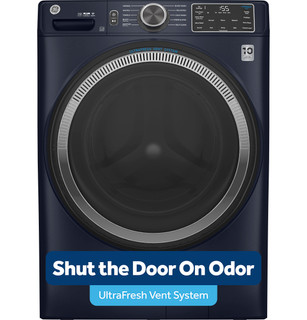
GE GFW550SPRRS product photo
Photo: GFW550SPRRS. Photo source
Manufacturer sources

GE GFW550SPRRS

Preventive maintenance

Washing machine · US market · 49 owner topics

GE GFW550 front-load washer manual family

Covers GFW550SPRRS and the manufacturer-listed models in this family.

GE GFW550 front-load washer manual family

GFW550: keep the gasket, dispenser, and vent path from becoming the odor source

The GFW550 combines a front door seal, detergent drawer, drain path, and—on the documented GFW550 variants—UltraFresh Vent. Odor or moisture is easier to solve when you identify where residue collects instead of relying on an open door as the only care routine.

For comparison, GE’s GFW650SSNWW product page lists SmartDispense and UltraFresh Vent, but that extra reservoir is not established for GFW550. These notes cover the GFW550 codes listed here. If you own the GFW650, use that model’s page for tank-specific directions rather than copying a GFW550 dispenser routine.

After the last load, empty the basket before venting

Remove every garment, close the door, and use the UltraFresh Vent controls described for the model. GE describes air entering through the door vent while the empty tub turns intermittently, allowing damp gasket and tub surfaces to dry; the run can continue up to eight hours. It is expected to hear quiet starts and stops during that operation. If laundry is left inside, remove it rather than expecting the feature to dry a load.

The vent routine is a convenience that manages residual moisture, not a substitute for removing debris or cleaning detergent buildup. If the vent indicator does not match the behavior in the manual, photograph the control state and verify whether the feature is available on your exact suffix before troubleshooting it.

Inspect and wipe the gasket folds

Before wiping, look around the entire seal for small socks, lint, hair, or gritty detergent residue. GE’s odor and leak guidance describes checking the fold and clearing the drain openings; trapped debris can hold water, smell, or interfere with the seal. Use a soft cloth and the cleaner allowed by the owner manual, then remove any cleaning residue with water. Do not pull hard on the gasket or use a sharp tool to clear a hole.

If a puddle appears at the door, note whether it begins at the lower edge, a fold, or the dispenser side. A few drops after a load with visible lint at the seal support cleaning and observation. A tear, a gasket pulling away, or a leak that continues after the area is clean needs service rather than seal adhesive.

Keep detergent out of the drawer channels

GE’s front-load leak guidance says the dispenser tray and outlet ports can become obstructed by residue. Remove the drawer only as the manual permits, rinse its compartments, and wipe the accessible housing where product collects. Check that the drawer closes fully. If detergent pods are used, place them in the drum with the clothes; GE warns that pods do not dissolve properly in this washer’s dispenser.

Use the amount and type of detergent on the product label for your load and water conditions. Excess suds can linger, complicate rinsing, and leave foam that resembles poor drainage. If suds remain after cleaning, reduce the dose on the next comparable load and document whether the same residue returns.

Clean the pump filter only if this model has the access cover

A small object trapped in the front-load pump filter can slow draining and contribute to odor. GE’s owner procedure is specifically for machines with a lower-front access cover. It calls for a shallow pan, towels, and slowly opening the filter because about a cup of water may escape. Follow the exact owner manual for the model; the general support page does not authorize opening a model without that access.

After removing lint or an object, tighten the filter fully and dry the floor. Run a supervised rinse or drain check and look for seepage at the cover. If water continues to pool, the filter will not seat, or a pump hums without flow, stop there and arrange service.

Treat a musty smell as a clue with several possible sources

Check whether odor is strongest at the gasket, drawer, drum, or standpipe. GE identifies residue on the door seal and drawer, a dirty accessible pump filter, and a drain hose pushed too far into the standpipe as possible contributors. A hose arrangement that siphons can allow drained water to return and smell. Inspect only the visible installation; a plumber should handle a household drain that is slow or backs up.

Run the model’s Self Clean or BasketClean cycle only if that cycle is on the panel and follow the cleaner instructions in the manual. GE’s general odor page describes different procedures for models with and without a dedicated clean cycle, so do not assume every GFW550 suffix has the same control option. Remove laundry promptly and finish with UltraFresh Vent where equipped.

Use visible recurrence to decide the next step

For a recurring smell, use the GFW550 manual’s Self Clean cycle at least monthly or about every 40 wash cycles. Empty the basket, add one cup (250 ml) of liquid bleach or washer cleaner directly to the basket, close the door, select Self Clean, and press Start; the manual says it takes about 90 minutes. If bleach was used, it recommends a Rinse & Spin or light-color load afterward.

The manual also says to rinse the dispenser drawer once or twice a month, use only HE detergent, and inspect the gasket fold for debris and blocked drain holes. If odor persists, GE’s troubleshooting suggests checking the pump filter and drain hose depth; use the GFW550 manual’s filter procedure and 7-inch maximum insertion for the drain pipe.

Specifications & model details

GFW550SPRRS: model-specific checks

Start with this washer’s layout

GE GFW550SPRRS is listed as . For this recorded front-loading GE design, inspect the accessible door glass and seal, drawer opening and visible hose connections. For a wet load, first establish whether water remains in the drum. Door locking, spin selection and pump-filter access are distinct checks; use only the access points described for the actual unit.

Recorded model facts

Model details relevant to this topic

SpecificationRecorded valueEvidence
Capacity Total Capacity Cubic Feet4.8 cu ft
Manufacturer
GE Appliances and LG current manufacturer product records

Exact primary manufacturer SKU GFW550SPRRS; https://www.geappliances.com/appliance/GE-ENERGY-STAR-4-8-cu-ft-Capacity-Smart-Front-Load-Washer-with-UltraFresh-Vent-System-with-OdorBlock-and-Sanitize-w-Oxi-GFW550SPRRS

Manufacturer storefront primary SKU GFW550SPRRS; exact source field: spec_capacity_total_capacity_cubic_feet Primary source: https://www.geappliances.com/appliance/GE-ENERGY-STAR-4-8-cu-ft-Capacity-Smart-Front-Load-Washer-with-UltraFresh-Vent-System-with-OdorBlock-and-Sanitize-w-Oxi-GFW550SPRRS

Observed Oct 30, 2026
Wash Basket TypeStainless Steel - Tilted
Manufacturer
GE — GFW550SPRRS

Exact-model manufacturer resource; specification fields

Exact SKU GFW550SPRRS; manufacturer specification label: Wash Basket Type.

Observed Oct 26, 2026
Adaptive Capabilities_1Automatic Temperature Control
Manufacturer
GE — GFW550SPRRS

Exact-model manufacturer resource; specification fields

Exact SKU GFW550SPRRS; manufacturer specification label: Adaptive Capabilities_1.

Observed Oct 26, 2026
Adaptive Capabilities_2Auto-Load Sensing
Manufacturer
GE — GFW550SPRRS

Exact-model manufacturer resource; specification fields

Exact SKU GFW550SPRRS; manufacturer specification label: Adaptive Capabilities_2.

Observed Oct 26, 2026
Adaptive Capabilities_3Adaptive Spin
Manufacturer
GE — GFW550SPRRS

Exact-model manufacturer resource; specification fields

Exact SKU GFW550SPRRS; manufacturer specification label: Adaptive Capabilities_3.

Observed Oct 26, 2026
Adaptive Capabilities_4dBT™ Quiet Control
Manufacturer
GE — GFW550SPRRS

Exact-model manufacturer resource; specification fields

Exact SKU GFW550SPRRS; manufacturer specification label: Adaptive Capabilities_4.

Observed Oct 26, 2026
Additional Washer Features_1Front Serviceable
Manufacturer
GE — GFW550SPRRS

Exact-model manufacturer resource; specification fields

Exact SKU GFW550SPRRS; manufacturer specification label: Additional Washer Features_1.

Observed Oct 26, 2026
Additional Washer Features_2Adjustable Leveling Legs
Manufacturer
GE — GFW550SPRRS

Exact-model manufacturer resource; specification fields

Exact SKU GFW550SPRRS; manufacturer specification label: Additional Washer Features_2.

Observed Oct 26, 2026
Additional Washer Features_3Reversible Door
Manufacturer
GE — GFW550SPRRS

Exact-model manufacturer resource; specification fields

Exact SKU GFW550SPRRS; manufacturer specification label: Additional Washer Features_3.

Observed Oct 26, 2026
Additional Washer Features_4Power Cord Attached
Manufacturer
GE — GFW550SPRRS

Exact-model manufacturer resource; specification fields

Exact SKU GFW550SPRRS; manufacturer specification label: Additional Washer Features_4.

Observed Oct 26, 2026
Appearance Color AppearanceSapphire Blue
Manufacturer
GE Appliances and LG current manufacturer product records

Exact primary manufacturer SKU GFW550SPRRS; https://www.geappliances.com/appliance/GE-ENERGY-STAR-4-8-cu-ft-Capacity-Smart-Front-Load-Washer-with-UltraFresh-Vent-System-with-OdorBlock-and-Sanitize-w-Oxi-GFW550SPRRS

Manufacturer storefront primary SKU GFW550SPRRS; exact source field: spec_appearance_color_appearance Primary source: https://www.geappliances.com/appliance/GE-ENERGY-STAR-4-8-cu-ft-Capacity-Smart-Front-Load-Washer-with-UltraFresh-Vent-System-with-OdorBlock-and-Sanitize-w-Oxi-GFW550SPRRS

Observed Oct 30, 2026
Appearance HandlePocket Handle
Manufacturer
GE Appliances and LG current manufacturer product records

Exact primary manufacturer SKU GFW550SPRRS; https://www.geappliances.com/appliance/GE-ENERGY-STAR-4-8-cu-ft-Capacity-Smart-Front-Load-Washer-with-UltraFresh-Vent-System-with-OdorBlock-and-Sanitize-w-Oxi-GFW550SPRRS

Manufacturer storefront primary SKU GFW550SPRRS; exact source field: spec_appearance_handle Primary source: https://www.geappliances.com/appliance/GE-ENERGY-STAR-4-8-cu-ft-Capacity-Smart-Front-Load-Washer-with-UltraFresh-Vent-System-with-OdorBlock-and-Sanitize-w-Oxi-GFW550SPRRS

Observed Oct 30, 2026
More background: Preventive maintenance

Category & symptom guidance

Preventive maintenance

After a wash: let moisture escape

When unloading, look for wet laundry left behind, water pooled in a fold of the door seal, or detergent residue on the drawer and rim. Remove stray lint, hair, and small items you can reach without tools. Leave the door or lid ajar if the laundry area and household allow it; airflow helps the damp interior dry. Keep children and pets away from an open appliance.

For a front-load washer, wipe visible water from the door glass and the accessible folds of the door gasket. Check the folds for a sock, tissue, or debris, but do not pull, stretch, or pry the seal. For a top-loader, wipe the lid and basket rim. If your model has a detergent drawer, pull it out only as its manual allows and wipe visible spills; not every washer has a removable drawer.

Use products and loads that suit the washer

Use detergent labeled for the washer type and measure according to the detergent label, load soil, load size, and water conditions. Too much detergent can leave residue or create excess suds; adding more is not a dependable fix for poor cleaning. Follow garment care labels and the washer’s dispenser directions. Do not pour softener directly onto clothing if the model provides a dispenser.

Leave room for items to move, and distribute the load in the way the washer’s instructions describe. High-efficiency top-loaders may use less water than older conventional machines, so seeing laundry above the water surface does not by itself show a fault. On a GE PTWN6250M, the manual describes automatic load sensing and Infusor wash action; its low water level is expected for that exact design. Other top-loaders may behave differently.

Inspect water connections without disturbing them

Occasionally look at the visible supply hoses and their connections for cracking, bulging, dampness, corrosion, or water marks. Do not tug on a hose to test it or tighten a fitting that is not leaking. If you find moisture, close the household water valves if accessible and safe, then arrange diagnosis; a small leak can damage flooring or cabinets.

Hose replacement intervals are model-specific. GE’s PTWN6250M manual recommends replacing its hoses every five years, and LG gives the same interval in the WM4000H*A manual. Treat those as instructions for those listed products, not a universal rule for every washer. If your washer’s manual gives a different interval, follow that guidance. Where hoses are being replaced, the manuals call for new hoses rather than reusing old ones.

Choose cleaning by the symptom

A faint product film on a drawer or rim calls for wiping the affected surface, not pouring a stronger chemical into the washer. Use a soft cloth and the cleaner permitted by the appliance manual. Avoid abrasives and solvents that can scratch or damage finishes. If residue returns, check whether product is being overfilled or placed in the wrong compartment before repeating a cleaning cycle.

Odor and visible residue can have different causes. Remove damp items promptly, clear accessible debris, and use a washer-cleaning cycle or product only if the exact model’s instructions specify one. Do not mix chlorine bleach with vinegar, ammonia, or another cleaner. A recurring odor despite dry-out and correct product use, or water remaining where the manual says it should drain, is a reason to seek model-specific troubleshooting.

What to do with what you find

A top-load HE washer shows only part of the clothing covered by water.

Some sensing and low-water designs wash with less visible water; level alone does not establish a problem.

Compare behavior with the washer’s own manual and check whether the completed load is clean and rinsed.

A visible hose is wet, cracked, swollen, or leaving water marks.

The connection or hose may be leaking or deteriorating.

Avoid using the washer until the leak is contained and the connection is assessed.

Have these details ready

  • Washer model and design: front-load or top-load, and agitator or impeller if known.
  • Where residue, odor, or moisture appears and whether it returns after cleaning.
  • Visible condition of supply hoses and whether the washer completes a normal cycle.

Common questions

Should I clean the washer after every load?

Usually, routine unloading, wiping obvious spills, and allowing the interior to dry are enough. Follow the exact model’s schedule for deeper cleaning.

Is a quiet pause during sensing a failure?

Not necessarily. Some sensing washers pause while estimating a load. If the cycle does not proceed or repeatedly leaves laundry unwashed, use the model’s troubleshooting guidance.

General background sources

These sources support the shared guide. Exact model specifications and matched family procedures have their own sources above.

  1. images.salsify.com/image/upload/s--4zVee-ir--/44e1044e71329cd6678e18edc3950e53c5694077.pdf
  2. media.us.lg.com/m/6d5d734b0871fbdf/original/WM4000_Owners-Manual.pdf
  3. producthelp.whirlpool.com/Laundry/Washers/Product_Info/Washer_Product_Assistance/Auto_Sensing_in_a_Top_Load_HE_Washer

Owner guidance by Specs & Parts, drafted with GPT-6 Luna. Sources and scope.

Sources for GFW550SPRRS

GE GFW550 owner’s manual Observed Oct 27, 2026
GE — GFW550SPRRS Observed Oct 26, 2026
Suggest a correction