What is recorded for GFAPC120V
GE GFAPC120V — Features Fuel Type: Electric.
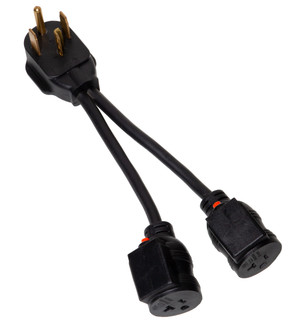
GE GFAPC120V
Washing machine · US market · 48 owner topics
Specifications for GFAPC120V with owner checks for this product design. Use the matching manual for control sequences and replacement parts.
Specifications & model details
GE GFAPC120V — Features Fuel Type: Electric.
Calculate a household-specific washer cost from actual utility rates, usage, and comparable model data. Keep assumptions visible and separate washer electricity, water charges, and any household water-heating estimate.
Category & symptom guidance
Decide whether you want a per-cycle, monthly, or yearly estimate. Use one time period consistently for the washer data and household usage. If a source gives annual energy use, use it as an annual reference; do not call it per-cycle consumption unless the source supplies that basis. The Department of Energy's clothes washer consumer page can help identify official comparison information.
Count the loads your household actually runs in the chosen period. If usage varies seasonally, calculate a typical month and a busy month separately. Do not multiply a test-based annual label figure by loads again; first establish what the published figure represents so the estimate does not count usage twice.
Use a model-specific energy figure only when its units and time period are clear. Convert units if needed before multiplying by your electricity price. For example, if energy is stated in kilowatt-hours, multiply kilowatt-hours by the rate per kilowatt-hour. Add a delivery or time-of-use component only if it applies to the household's actual marginal use and is represented in the chosen calculation.
If you have no usable model figure, do not invent one. You can calculate from measured energy use if you have a suitable meter and know what it measures, or leave the washer electricity portion blank pending official information. A precise-looking result built from an unsupported consumption guess is less useful than a transparent incomplete estimate.
For water, identify the billed unit and whether sewer charges vary with water consumption. If model-specific water use is available in comparable units, multiply the quantity by the applicable combined rate. If the bill uses tiered pricing, use the rate that would apply to additional use, not necessarily the average rate across the whole bill. Keep fixed charges separate because they may not change when washer use changes.
Where an official product figure is annual, preserve that annual basis. Household frequency and local billing rules may differ from the test assumptions. A water estimate should say whether it includes sewer charges and whether fixed fees are excluded. If the utility bill does not show a usable variable rate, contact the utility or omit the water-cost result rather than substituting an unrelated regional average.
A washer's household cost can include energy used to heat hot water, but the washer's published energy measure may not equal the total energy used across the appliance and water heater. Decide whether your comparison is limited to washer electricity or includes water heating, and state that scope at the top of the worksheet.
If including water heating, use household data or a documented estimate of the hot-water energy attributable to laundry. Do not guess a gallons-per-cycle value or assume all cycles use the same temperature. Cold, warm, and hot selections can draw different amounts of hot water, and water heater type and incoming water temperature matter. Without trustworthy inputs, report the washer electricity and water charges separately and say hot-water cost is not included.
For a replacement comparison, use the same household cycles, utility rates, water-heating treatment, and billing period for both models. If capacity differs, decide whether your household would actually change the number of loads. A larger capacity does not save money if you continue using the same small loads, and a product's stated efficiency does not guarantee a lower bill when cycle patterns differ.
Calculate each component separately: washer electricity, water and sewer variable charges, and water heating if supported. Then total the included components. Keep purchase price, delivery, installation, detergent, and repairs outside the running-cost subtotal unless you are deliberately building a broader ownership comparison. This prevents a utility estimate from being mistaken for total cost of ownership.
A household estimate can be calculated and reviewed.
The corresponding cost cannot be responsibly quantified yet.
Use the rate that best reflects added usage, especially if water or electricity pricing is tiered. Keep fixed charges separate.
Include it only if you are comparing the full laundry routine. Keep dryer cost separate from washer running cost and compare similar loads.
These sources support the shared guide. Exact model specifications and matched family procedures have their own sources above.
Owner guidance by Specs & Parts, drafted with GPT-6 Luna. Sources and scope.