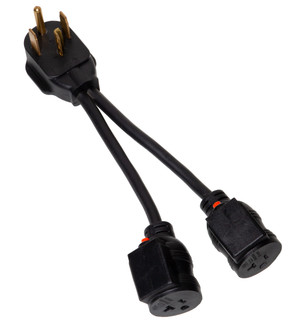
Specifications for GFAPC120V with owner checks for this product design. Use the matching manual for control sequences and replacement parts.
Specifications & model details
GFAPC120V: model-specific checks
Start with the source identity
GE GFAPC120V is the exact code in this catalog record. This topic should be evaluated for that code and washers category. The original source record is linked below; unrecorded settings, dates and compatibility remain unknown.
Understand washer energy and water figures, then connect them to household use. Compare equivalent official information and consider cycle choices, load size, and drying effects without assuming a universal bill saving.
Owner guide: Energy, water & efficiency
Category & symptom guidance
Energy, water & efficiency
4 minute read · Shared guidance for washing machines
Read comparable efficiency information
Use the Department of Energy's consumer clothes washer information to understand the measures it presents and how to compare washer models. Compare the same type of figure across products and check that the capacity and test basis are comparable. A product page's efficiency label is not a prediction of your exact utility bill: household water temperature, cycle selection, load frequency, and local rates affect results.
A model's age or the phrase “high efficiency” does not by itself provide a quantified saving. Find official data for the specific model and compare it with the candidate replacement's data. If a figure is missing, treat savings as unknown rather than filling the gap with a category average.
Find the exact model identifier on the washer or its documentation.
Collect official efficiency information for both models.
Compare like-for-like figures and note any different capacities or assumptions.
Estimate your own energy cost
To translate energy use into cost, multiply the applicable energy figure by your electricity price, using matching units and a clear time basis. If the official figure is annual and your household expects fewer or more cycles than its assumed use, treat the result as a reference, not a bill forecast. Your utility bill or rate plan is better input than a generic national price.
Include hot-water energy thoughtfully. Washers may draw hot water from the household heater, so water heating can contribute to household energy use even when the washer's own electrical figure does not capture the full household scenario you care about. Do not add a guessed hot-water amount. Use utility or household data if available, and state what the estimate includes.
Write down the figure, unit, and time period.
Use your actual electricity rate for a rough cost calculation.
State whether the estimate includes household water heating.
Water level depends on design and load
A low visible water level is not automatically waste or a malfunction. Some high-efficiency top-load washers sense load size and use less water than conventional machines; the GE PTWN6250M manual describes an Infusor system and automatic load sensing for that named model. That example does not establish how another washer should look or operate.
For an automatic-sensing top-loader, load size and distribution can affect the sensing process and the water added. Whirlpool's guidance explains auto sensing for top-load HE washers. Follow the specific washer's operating guidance and judge the result by cleaning, rinsing, and cycle completion, not by whether water covers the clothes. Conventional top-load designs may use different fill behavior, so do not apply an HE sensing expectation to them.
Identify whether the washer is a top-load sensing design or another type.
Observe the cycle with a normally loaded, loosely arranged load.
Consult model-specific owner guidance if results are poor or the cycle fails.
Cycle and load choices shape use
Choose cycles to match fabric care labels, soil, and load size. A longer or hotter cycle may use more resources, but changing to a shorter or cooler setting is appropriate only when it still cleans the items and complies with care instructions. The GE PTWN6250M manual, for example, describes a tap-cold option on that model family; do not assume the same control or behavior exists elsewhere.
Avoid running many underfilled loads simply to see more water or faster movement. At the same time, do not pack the drum so tightly that items cannot move and clean. Follow the washer's loading guidance, and compare the number and size of loads your household actually runs. The practical efficiency choice is the setting that cleans the real load while avoiding unnecessary cycles or reheating.
Include what happens after the wash
Drying can be a substantial part of laundry energy use. A washer that extracts more water may shorten dryer work, but compare actual outcomes in your home rather than converting a spin-speed number directly into a promised saving. The GE PTWN6250M specifications list a 700 RPM spin speed for that model; the figure is an example tied to that product, not a cross-model prediction.
For a useful comparison, track representative loads and note cycle, water temperature, spin selection, dryer setting, and approximate drying time. Keep fabric type and load size similar. This can reveal whether a cycle change or a different washer changes the complete wash-and-dry routine. It will not isolate every cause, but it is more relevant than a generic claim about annual savings.
Choose a typical, repeatable load.
Note washer settings and dryer time for each comparable run.
Compare official washer data separately from observed household drying.
What to do with what you find
Comparable official data show lower resource use for the candidate model.
The candidate may be more efficient under the stated comparison basis.
Estimate cost with household rates and cycle frequency.
Only the marketing description is available.
There is not enough evidence to quantify a difference.
Find model-specific official efficiency data or leave savings unquantified.
Have these details ready
Exact washer model
Official comparable energy and water figures
Household electricity and water rates
Typical cycles, load sizes, and wash frequency
Dryer time for comparable loads when assessing spin effects
Common questions
Does a low water level mean my top-loader is not filling properly?
Not necessarily. High-efficiency sensing top-loaders may use a lower level. Check the exact model guidance and whether the load cleans, rinses, and completes normally.
Can I estimate savings from the washer's spin speed?
Spin speed alone cannot establish dryer savings. Compare similar loads and drying time, and treat official spin specifications as model-specific.
General background sources
These sources support the shared guide. Exact model specifications and matched family procedures have their own sources above.
Owner guidance by Specs & Parts, drafted with GPT-6 Luna. Sources and scope.
This record does not establish exact energy, water & efficiency values. Use the matching manufacturer document to fill in the missing requirements; the category guidance below helps organize that check.
A comparison group built from recorded designs
GE washers
45 records in this manufacturer/public-source group. The group uses the brand, category and recorded design, rather than a guessed series or production year.
2.88–28.0 width · 35 source values
2.88–49.0 depth · 29 source values
0.62–46.0 height · 37 source values
These are source-record ranges. They do not establish current availability, a shared repair platform or installation compatibility.