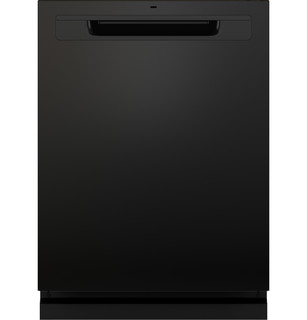
Browse installation, controls, care, troubleshooting, and replacement planning for GE GDP670SGVBB.
Weights Dimensions Overall Width
23.75 in
0 detailed family articles0 short family notes48 detailed owner guides
Detailed articles use sources for the named brand and product family. Short notes add family details to shared guidance. Owner guides cover the product category and recorded design, with this model’s measurements and brand details shown separately. Exact controls and part fitment require a matching manufacturer source.
Find the dishwasher’s identity label and use the complete model and serial numbers to locate the right documents, parts support, and ownership records.
Plan the work around the exact dishwasher’s installation instructions, cabinet opening, shutoff access, electrical supply, water connection, and drain route.
Verify the dishwasher’s exact electrical rating and permitted connection method before installation; have wiring changes handled by an appropriate installer.
Match the hot-water supply, shutoff, tubing, and fittings to the exact dishwasher installation instructions, and inspect connections for leaks after installation.
Use the normal pause, resume, and cancel controls to recover from an interrupted wash. A reset is not a substitute for diagnosing a repeated fault or a dishwasher that cannot drain.
Clean the accessible filter and surfaces using the layout and care directions for your model. Track where odor or residue returns to distinguish routine soil buildup from a drain or wash problem.
Understand what is a reusable filter, what is replenished during use, and how to choose detergent and rinse aid without assuming all machines use the same setup.
Replace exhausted detergent and rinse aid carefully, and treat broken filter or dispenser parts as model-specific components rather than interchangeable supplies.
Distinguish removable mineral deposits from detergent residue and permanent glass etching, then choose a response based on water hardness and dishwasher design.
Prepare a dishwasher for a pause in use or cold, unheated conditions by addressing standing soil, water supply, and the limits of owner-level winterizing.
Check the cycle state and household water clues first, then isolate whether the symptom points to an interrupted start, low supply, or appliance service need.
Use the display and indicator pattern to identify the dishwasher’s next safe owner check, then distinguish a temporary interruption from a fault that needs service.
Use the sound’s timing and location to separate normal water movement from loading contact, installation vibration, or a condition that needs attention.
Map when the sound occurs
Check for rack and spray-arm contact
Distinguish loose-item rattles from cabinet vibration
Locate when and where moisture appears, distinguish normal post-cycle dampness from escaping wash water, and contain a leak before it reaches flooring or cabinetry.
Trace a completely unresponsive dishwasher through safe, visible power checks and distinguish loss of power from controls that are awake but waiting for a start condition.
Trace cleaning complaints from soil pattern and loading to filtration, spray access, detergent placement, and water supply before considering a repair.
Identify the failed or missing part from its location and function, then verify exact compatibility and compare repair, replacement, and recycling choices using owner-specific numbers.
Plan a dishwasher repair by identifying the failed function, confirming the affected assembly, and comparing a repair quote with the appliance’s condition and replacement options.
Choose dishwasher accessories by the job they must perform, verify fit and installation requirements for the exact appliance, and avoid treating a generic kit as universal.
Verify dishwasher substitutions by matching the exact model, intended function, physical connection, and documented application rather than relying on appearance or brand.
Find the correct dishwasher diagram for the exact model, understand what a drawing does and does not show, and use owner-facing references without attempting hazardous internal electrical work.
Compare dishwasher repair quotes by scope and owner-specific costs, then weigh a documented repair against the installed replacement cost you can actually obtain.
Request a quote that separates the work
Compare quotes on the same basis
Build your replacement comparison from local numbers
Decide whether to keep a dishwasher by comparing a supported repair diagnosis with the complete local replacement cost, warranty position, performance needs, and disposal plan.
Compare dishwashers against your household’s actual load, installation, and drying needs. Use verified specifications and owner instructions to distinguish meaningful differences from feature names.
Plan a dishwasher replacement around the cabinet opening, connection locations, and the replacement unit’s exact installation requirements. Confirm fit before ordering or scheduling removal.
Compare the complete cost to buy, deliver, install, and operate a dishwasher using current seller quotes and your own household inputs. Availability and final price depend on the exact model and location.
Prepare a useful dishwasher service request by describing the symptom, the conditions when it occurs, and safe owner checks already completed. Use official model support to route the issue without guessing at a fault or repair.
Arrange dishwasher removal through a recycler, local waste program, or retailer that confirms it accepts the appliance. Prepare the unit according to local instructions and keep reusable parts only when their fit is verified.