Appliance & electronics support
Find your model numberAbout our sources
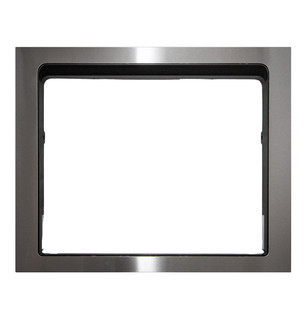
GE Profile PCDBI01KITFS product photo
Photo: PCDBI01KITFS. Photo source
Manufacturer sources

GE Profile PCDBI01KITFS

All topics for your model

Dishwasher · US market · 47 owner topics

Owner help

Help with your PCDBI01KITFS

Browse installation, controls, care, troubleshooting, and replacement planning for GE Profile PCDBI01KITFS.

0 detailed family articles0 short family notes47 detailed owner guides

Detailed articles use sources for the named brand and product family. Short notes add family details to shared guidance. Owner guides cover the product category and recorded design, with this model’s measurements and brand details shown separately. Exact controls and part fitment require a matching manufacturer source.

Product & documents

Detailed owner guide

Specifications

Read dishwasher specifications as a matched set of capacity, energy, water, sound, and feature details, and verify what applies to the exact model.

  • Start with the exact product record
  • Compare capacity with your dishes
  • Interpret energy and water figures
Read specifications
Detailed owner guide

Manuals & documents

Find documentation by exact model and use the right document for operation, installation, and ownership records.

  • Identify the exact appliance
  • Use the document that matches the question
  • Keep a useful household record
Read manuals & documents

Installation & connections

Detailed owner guide

Dimensions & fit

Measure the opening, appliance, path into the kitchen, and nearby connections before deciding whether a dishwasher will fit.

  • Measure the cabinet opening
  • Account for the open door
  • Check the entry route
Read dimensions & fit
Detailed owner guide

Installation planning

Plan the work around the exact dishwasher’s installation instructions, cabinet opening, shutoff access, electrical supply, water connection, and drain route.

  • Confirm the model and scope
  • Prepare the space and access
  • Resolve utility and drain questions first
Read installation planning
Detailed owner guide

Electrical requirements

Verify the dishwasher’s exact electrical rating and permitted connection method before installation; have wiring changes handled by an appropriate installer.

  • Read the appliance rating and instructions
  • Check the existing kitchen provision
  • Plan changes before delivery
Read electrical requirements
Detailed owner guide

Water supply & connections

Match the hot-water supply, shutoff, tubing, and fittings to the exact dishwasher installation instructions, and inspect connections for leaks after installation.

  • Confirm supply requirements
  • Consider the home’s hot-water path
  • Choose a connection route that stays protected
Read water supply & connections
Detailed owner guide

Drainage & water removal

Verify the drain hose route, sink or disposer connection, and required air gap or high loop so wastewater cannot return to the dishwasher.

  • Trace the complete drain path
  • Check the disposer or sink connection
  • Understand the air gap and high loop
Read drainage & water removal
Detailed owner guide

Delivery & moving

Plan the route, protect the appliance, and check for transport or installation damage before the first wash.

  • Before delivery day
  • Inspect before signing off
  • Moving an installed dishwasher
Read delivery & moving

Controls & operation

Detailed owner guide

First use & setup

Confirm the installation, load the machine for clear water flow, and choose an initial run suited to the dishes and appliance.

  • Check the installed basics
  • Prepare the interior and racks
  • Add the right supplies
Read first use & setup
Detailed owner guide

Controls & settings

Read the panel, select only options that match the load, and resolve common control-state confusion without guessing at button combinations.

  • Read the panel as a sequence
  • When the controls seem locked
  • Delay and interrupted cycles
Read controls & settings
Detailed owner guide

Cycles & programs

Choose a program by soil, load size, and dish material, then interpret cycle duration and results in light of the machine’s design.

  • Choose by soil and load
  • Understand short programs
  • Options change the program
Read cycles & programs
Detailed owner guide

Temperature settings

Understand wash and rinse temperature options, their effect on results and time, and the limits of interpreting temperature labels.

  • Separate incoming water from selectable options
  • When a hotter wash may help
  • Sanitizing and final-rinse claims
Read temperature settings
Detailed owner guide

Restart & reset

Use the normal pause, resume, and cancel controls to recover from an interrupted wash. A reset is not a substitute for diagnosing a repeated fault or a dishwasher that cannot drain.

  • Decide whether to resume or reset
  • Resume a paused wash
  • Cancel a cycle and check the drain
Read restart & reset

Care & consumables

Detailed owner guide

Cleaning & odor

Clean the accessible filter and surfaces using the layout and care directions for your model. Track where odor or residue returns to distinguish routine soil buildup from a drain or wash problem.

  • Locate the filter before removing anything
  • Rinse away food soil without damaging the mesh
  • Reinstall carefully and inspect spray access
Read cleaning & odor
Detailed owner guide

Preventive maintenance

Keep the wash path clear, preserve spray coverage, and spot changes early with simple checks matched to your dishwasher’s filter and drying design.

  • A useful maintenance rhythm
  • Clean the filter to match its layout
  • Keep spray paths open
Read preventive maintenance
Detailed owner guide

Filters & consumables

Understand what is a reusable filter, what is replenished during use, and how to choose detergent and rinse aid without assuming all machines use the same setup.

  • Separate reusable parts from supplies
  • Choose detergent for the machine
  • Use rinse aid as a drying aid
Read filters & consumables
Detailed owner guide

Consumable replacement

Replace exhausted detergent and rinse aid carefully, and treat broken filter or dispenser parts as model-specific components rather than interchangeable supplies.

  • Refill one dispenser at a time
  • Match dose placement to cycle length
  • Refill rinse aid without overfilling
Read consumable replacement
Detailed owner guide

Water quality & scale

Distinguish removable mineral deposits from detergent residue and permanent glass etching, then choose a response based on water hardness and dishwasher design.

  • Identify the deposit before treating it
  • Start with the filter and visible buildup
  • Adjust detergent with care
Read water quality & scale
Detailed owner guide

Storage & seasonal care

Prepare a dishwasher for a pause in use or cold, unheated conditions by addressing standing soil, water supply, and the limits of owner-level winterizing.

  • Before an ordinary period of nonuse
  • Plan for an unheated room
  • Avoid improvised freeze protection
Read storage & seasonal care

Troubleshooting

Detailed owner guide

Troubleshooting & repair

Use symptoms and safe observations to decide whether a dishwasher issue is a loading, supply, drain, drying, or service problem.

  • Describe the failure precisely
  • Rule out loading and detergent causes
  • Check the water and drain clues
Read troubleshooting & repair
Detailed owner guide

Not draining

Work from visible water and drain-path clues to identify a blocked filter, air gap, disposer connection, or issue requiring service.

  • Decide whether water is actually abnormal
  • Clear accessible filter debris
  • Check an air gap if fitted
Read not draining
Detailed owner guide

Not filling

Check the cycle state and household water clues first, then isolate whether the symptom points to an interrupted start, low supply, or appliance service need.

  • Confirm the machine reached its fill stage
  • Compare household water flow
  • Look for an external shutoff clue
Read not filling
Detailed owner guide

Error codes & indicators

Use the display and indicator pattern to identify the dishwasher’s next safe owner check, then distinguish a temporary interruption from a fault that needs service.

  • Capture the signal before resetting
  • Separate interruption messages from faults
  • Read lights in context
Read error codes & indicators
Detailed owner guide

Noise & vibration

Use the sound’s timing and location to separate normal water movement from loading contact, installation vibration, or a condition that needs attention.

  • Map when the sound occurs
  • Check for rack and spray-arm contact
  • Distinguish loose-item rattles from cabinet vibration
Read noise & vibration
Detailed owner guide

Leaks, moisture & condensation

Locate when and where moisture appears, distinguish normal post-cycle dampness from escaping wash water, and contain a leak before it reaches flooring or cabinetry.

  • Locate and time the moisture
  • Separate condensation from escaping water
  • Check door-area contributors
Read leaks, moisture & condensation
Detailed owner guide

Power on, cycle not starting

When the panel responds but washing does not begin, check the door, delay, lock, interruption, and selected cycle state in a controlled order.

  • Confirm the machine is awake
  • Check latch and door clearance
  • Clear delay and control-lock states
Read power on, cycle not starting
Detailed owner guide

No power & starting

Trace a completely unresponsive dishwasher through safe, visible power checks and distinguish loss of power from controls that are awake but waiting for a start condition.

  • Define what “no power” looks like
  • Use the household breaker safely
  • When controls light but the cycle will not begin
Read no power & starting
Detailed owner guide

Not drying well

Identify whether the result reflects the dishwasher’s drying design, plastic and load arrangement, selected options, or a change that merits service.

  • Set expectations for the drying design
  • Improve load drainage
  • Use rinse aid and drying options thoughtfully
Read not drying well
Detailed owner guide

Poor performance

Trace cleaning complaints from soil pattern and loading to filtration, spray access, detergent placement, and water supply before considering a repair.

  • Describe what failed to clean
  • Restore spray access through loading
  • Check filtration and drain conditions
Read poor performance

Parts & accessories

Detailed owner guide

Parts & components

Identify the failed or missing part from its location and function, then verify exact compatibility and compare repair, replacement, and recycling choices using owner-specific numbers.

  • Name the part by location and job
  • Verify fit before ordering
  • Decide whether replacement is an owner task
Read parts & components
Detailed owner guide

Component replacement planning

Plan a dishwasher repair by identifying the failed function, confirming the affected assembly, and comparing a repair quote with the appliance’s condition and replacement options.

  • Describe the failure before naming a part
  • Rule out a loading or care issue first
  • Ask for a diagnosis tied to evidence
Read component replacement planning
Detailed owner guide

Accessories & installation kits

Choose dishwasher accessories by the job they must perform, verify fit and installation requirements for the exact appliance, and avoid treating a generic kit as universal.

  • Start with the job, not the product name
  • Treat installation kits as connection-specific
  • Check interior accessories against rack geometry
Read accessories & installation kits
Detailed owner guide

Compatibility & substitutions

Verify dishwasher substitutions by matching the exact model, intended function, physical connection, and documented application rather than relying on appearance or brand.

  • Define what must match
  • Verify a part or accessory by application
  • Choose detergent substitutions carefully
Read compatibility & substitutions
Detailed owner guide

Diagrams & wiring references

Find the correct dishwasher diagram for the exact model, understand what a drawing does and does not show, and use owner-facing references without attempting hazardous internal electrical work.

  • Choose the reference for the task
  • Read a parts drawing without guessing
  • Treat wiring information as service material
Read diagrams & wiring references

Ownership decisions

Detailed owner guide

Repair cost & service quotes

Compare dishwasher repair quotes by scope and owner-specific costs, then weigh a documented repair against the installed replacement cost you can actually obtain.

  • Request a quote that separates the work
  • Compare quotes on the same basis
  • Build your replacement comparison from local numbers
Read repair cost & service quotes
Detailed owner guide

Repair or replace?

Decide whether to keep a dishwasher by comparing a supported repair diagnosis with the complete local replacement cost, warranty position, performance needs, and disposal plan.

  • Establish what is wrong and what still works
  • Get a repair case you can evaluate
  • Price replacement as an installed appliance
Read repair or replace?
Detailed owner guide

Energy, water & efficiency

Compare dishwasher energy and water use on a consistent basis, then choose loading, cycle, and drying practices that fit the dishes and the machine.

  • Start with comparable numbers
  • Choose a cycle for the soil and load
  • Match drying advice to the design
Read energy, water & efficiency
Detailed owner guide

Running cost calculator

Estimate cost from your dishwasher’s energy, water, cycle frequency, and local rates using owner inputs instead of generic price averages.

  • Gather the inputs that matter
  • Use a transparent calculation
  • Adjust for the way you run it
Read running cost calculator
Detailed owner guide

Warranty & official support

Locate the applicable warranty, preserve purchase and symptom evidence, and use the manufacturer’s official support route without assuming coverage.

  • Identify the seller, maker, and exact unit
  • Read the written terms before filing
  • Use the official support path
Read warranty & official support
Detailed owner guide

Recalls & safety notices

Check official recall records using the exact appliance identity, follow notice instructions, and respond promptly to signs of immediate danger.

  • Search the official recall database
  • Follow the notice remedy exactly
  • Act on immediate warning signs
Read recalls & safety notices
Detailed owner guide

Model age & history

Establish a dishwasher’s identity and age from traceable records, then use official product and recycling sources to inform ownership decisions.

  • Read the unit’s identity label
  • Build a dated ownership timeline
  • Use official records for product details
Read model age & history
Detailed owner guide

Compare similar models

Compare dishwashers against your household’s actual load, installation, and drying needs. Use verified specifications and owner instructions to distinguish meaningful differences from feature names.

  • Start with the job it must do
  • Separate features from verified specifications
  • Compare drying in your kitchen
Read compare similar models
Detailed owner guide

Replacement appliances & fit

Plan a dishwasher replacement around the cabinet opening, connection locations, and the replacement unit’s exact installation requirements. Confirm fit before ordering or scheduling removal.

  • Measure the existing opening
  • Map the connections and route
  • Check door, handle, and cabinet clearance
Read replacement appliances & fit
Detailed owner guide

Price & availability

Compare the complete cost to buy, deliver, install, and operate a dishwasher using current seller quotes and your own household inputs. Availability and final price depend on the exact model and location.

  • Compare the same unit and terms
  • Build the installed-price total
  • Estimate operating cost with your inputs
Read price & availability
Detailed owner guide

Professional service

Prepare a useful dishwasher service request by describing the symptom, the conditions when it occurs, and safe owner checks already completed. Use official model support to route the issue without guessing at a fault or repair.

  • Describe what the machine does
  • Try only the checks your manual supports
  • Know when a symptom needs a technician
Read professional service
Detailed owner guide

Recycling & disposal

Arrange dishwasher removal through a recycler, local waste program, or retailer that confirms it accepts the appliance. Prepare the unit according to local instructions and keep reusable parts only when their fit is verified.
  • Find an accepted local route
  • Prepare the appliance for pickup
  • Separate parts only when there is a reason
Read recycling & disposal

Topics that need a feature match

Some topics apply to other categories or need a feature that this record has not established.

Venting & exhaust

Outside this product category.

Control lock & access

A control-lock feature has not been established.

Special modes

A special operating mode has not been established.

Wi-Fi & connectivity

Connected capability is absent or has not been established.

Software, drivers & firmware

Outside this product category.

Specification review

Insufficient recorded specifications for a useful source-based review.

Sources for PCDBI01KITFS

Suggest a correction