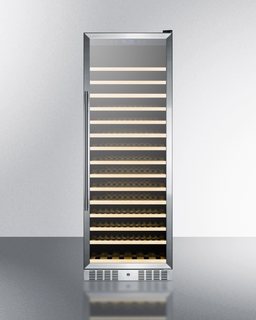
Specifications for SWC1925 with owner checks for this product design. Use the matching manual for control sequences and replacement parts.
Specifications & model details
SWC1925: model-specific checks
What this model’s energy figure means
Summit SWC1925 is listed at 452 kWh/year. Using an illustrative $0.20/kWh, that is $90.40 per year, or $7.53 per month, on the source’s annual test basis. For your rate, multiply 452 by your electricity price per kWh. Compare labels from the same test method; age, actual use, water heating and load choices can change the household result.
Compare written refrigerator repair estimates by scope, fees, parts, labor, warranty, downtime, and household costs without relying on unsupported price averages.
Owner guide: Repair cost & service quotes
Category & symptom guidance
Repair cost & service quotes
5 minute read · Shared guidance for refrigerators
Ask for a complete written scope
A useful quote says what the technician believes needs repair and what work is included. Ask whether the quoted visit or diagnostic fee is separate from repair labor, credited toward an approved repair, or due even if you decline. Request the suspected failed component or repair category, the parts included, labor scope, and any follow-up visit charges. If the diagnosis is not yet confirmed, ask what the first appointment covers and what could change the estimate. A brief symptom description helps the company prepare, but the quote should distinguish diagnostic work from a proposed repair. Keep each company’s terms in writing. Comparing only a final total can hide differences such as whether the estimate includes a second visit, installation of a part, or removal of an old component.
Describe the external symptoms and when they began.
Ask how the visit fee and diagnostic work are charged.
Request an itemized written scope before authorizing repair.
Separate parts, labor, and visit charges
Put each quote into the same categories: visit or diagnostic fee, parts, labor, additional trips, and taxes or other stated charges. Ask whether a part is new, refurbished, or otherwise described, and whether the quoted labor includes installation and testing. For a repair needing more than one part, ask which items are confirmed and which are contingent on inspection. A lower quote may cover a narrower repair or leave a second trip outside the total. Record the terms for payment and cancellation as well. Do not compare one company’s diagnostic-only amount with another company’s complete repair proposal. Once the scope is aligned, the total becomes more meaningful and you can see which uncertainties remain.
Create identical line items for each provider’s estimate.
Mark confirmed charges separately from contingent work.
Ask providers to explain differences in scope and trip assumptions.
Ask carefully about sealed-system work
Repairs involving the sealed refrigerant system can have different labor, parts, and service requirements from an ordinary component replacement. Ask the company whether its quote includes diagnosis, the specified sealed-system work, required parts, refrigerant handling, and any return visit. Ask who will perform the work and what written warranty applies to both parts and labor. Do not infer that a quote covers a complete system repair because it mentions refrigerant or a compressor. Have the company state the actual proposed scope and exclusions. If the refrigerator is under a manufacturer or retailer warranty, check coverage and authorization before accepting outside work; an otherwise reasonable repair could affect claim handling. Keep the written quote and warranty terms with the appliance’s purchase records.
Ask the provider to label any sealed-system work and list what it includes.
Request separate parts and labor warranty terms in writing.
Check applicable warranty requirements before authorizing outside service.
Include costs beyond the technician’s invoice
A repair decision can involve practical costs that do not appear on the service estimate. Consider delivery or haul-away charges if replacement becomes the alternative, and any installation work needed for the new refrigerator. Account for food that may be lost during downtime and the effort or expense of keeping food safely cold elsewhere. The FDA advises keeping a refrigerator at 40°F or below and provides guidance on cold food storage; use safe storage practices while service is pending rather than assuming food will remain safe indefinitely. Keep food loss estimates grounded in what you actually have and what can be safely moved. These household costs help compare options, but they should not be mixed into a technician’s repair price as though they were quoted service charges.
List repair charges separately from household downtime costs.
Check safe food storage guidance while the refrigerator is unavailable.
Add delivery, installation, and haul-away charges to any replacement comparison.
Compare guarantees and open questions
Before choosing, compare what happens if the repair does not resolve the reported issue. Ask whether the company guarantees the completed work, how long parts and labor are covered, and what conditions void coverage. Clarify whether a new symptom would be treated as a separate call. Read exclusions for customer-supplied parts, access problems, or additional faults discovered after work begins. A written quote should also say how the company will seek approval before adding charges. Make a short comparison that records total, scope, warranty, earliest appointment, and unresolved assumptions. If two quotes differ sharply, ask each provider to explain the difference against the same facts and proposed outcome. This gives you a basis for choosing based on scope and confidence, not a headline number.
Record warranty duration and coverage for parts and labor.
Ask how added work is approved and charged.
Compare total scope, timing, and remaining uncertainties side by side.
What to do with what you find
The quote separates diagnosis, parts, labor, return visits, and warranty terms.
Its scope can be compared with another provider on a consistent basis.
Check that both providers are quoting the same repair outcome and note exclusions.
A quote gives one total but does not explain whether parts or follow-up visits are included.
The total may exclude material work or charges needed to complete the repair.
Request an itemized scope and written approval process for additional work.
The proposed repair involves the sealed system and the written warranty or scope is unclear.
The largest technical and financial uncertainties remain unresolved.
Ask for a precise scope, parts and labor coverage, and any warranty authorization requirements before proceeding.
Have these details ready
Written estimate with fee, parts, labor, and trip breakdown
Proposed repair and unresolved diagnostic assumptions
Parts and labor warranty terms
Manufacturer or retailer warranty requirements
Expected appointment and downtime, plus replacement delivery costs if relevant
Common questions
Should I compare repair quotes by total alone?
No. Align diagnostic fees, parts, labor, return visits, exclusions, and warranty before comparing totals.
How should I handle food during a repair delay?
Follow FDA cold storage guidance and arrange safe temporary storage based on the expected downtime.
General background sources
These sources support the shared guide. Exact model specifications and matched family procedures have their own sources above.