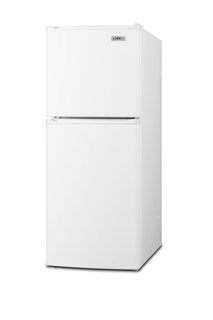
Specifications for FF71ES with owner checks for this product design. Use the matching manual for control sequences and replacement parts.
Specifications & model details
FF71ES: model-specific checks
Choose the recorded defrost branch
Summit FF71ES is listed with Automatic defrost. Use the branch for the listed defrost system. Note whether frost is confined to a door edge, covers stored packages, or returns on an interior surface. Door closure, moisture entry and a defrost-system problem produce different patterns.
Clean refrigerator surfaces and removable parts without soaking electrical areas, and use where odors or moisture collect to guide prevention.
Owner guide: Cleaning & odor
Category & symptom guidance
Cleaning & odor
7 minute read · Shared guidance for refrigerators
Prepare the refrigerator and protect the food
Before cleaning, check the refrigerator’s owner instructions for approved cleaners and removable parts. Set out a cooler, food-safe containers, clean cloths, and a basin so food is out of the way for as little time as practical. Wash your hands before handling unpackaged food, and keep raw meat and its juices separate from ready-to-eat items. Discard food that has spoiled or leaked; do not taste it to decide whether it is safe. If you need to judge how long food can remain out, use food-safety guidance rather than guessing from smell or appearance.
Work shelf by shelf when possible. Move food into the cooler, grouping items so you can return them quickly, and keep the cooler closed between trips. A refrigerator thermometer can help you check whether the unit is maintaining a food-safe temperature after cleaning; follow FDA guidance for refrigerator and freezer temperatures. Avoid leaving the door open while you sort supplies. If a spill has reached food packaging, wipe the outside before putting it back, and discard contents if contamination reached the food itself.
Gather cloths, mild dish soap, a basin, and a cooler before unloading.
Move food out in small groups and keep cold items covered and chilled.
Check food-safety temperature guidance and the appliance’s care instructions before choosing products.
Wash removable shelves, bins, and drawers
Remove only the shelves, drawers, and bins that the owner instructions identify as removable. Support a shelf with both hands and clear nearby containers before lifting it; a loaded shelf can tip or crack. Let cold glass warm gradually to room temperature before washing. Sudden temperature changes can stress glass, so do not place a chilled shelf into hot water or set a warm shelf onto a cold surface. Wash pieces in a sink or basin with warm water and dish soap, using a soft cloth or sponge to loosen dried spills.
Rinse soap away and dry each piece with a clean towel before reinstalling it. Check corners, drawer tracks, and the undersides of bins where sticky residue can remain. Do not force a part that resists removal or reinstallation; its tabs or supports may need a particular angle described in the manual. Keep food off a damp shelf, since trapped moisture can carry residue or make labels and packaging wet. Return parts in their original locations so bins and shelves fit their intended supports.
Confirm removal instructions and clear each part before lifting.
Wash with warm soapy water and a nonabrasive cloth; rinse and dry completely.
Reinstall without forcing tabs, tracks, or supports.
Clean fixed walls and interior surfaces
For interior walls, ceiling, floor, and fixed shelf supports, use a clean cloth dampened with mild soapy water. Wring it out so it is damp rather than dripping. Wipe from cleaner areas toward visible spills, then use a second cloth dampened with plain water to remove soap film. Pay attention to seams and corners, but keep liquid from running into vents, controls, light openings, or other openings. Avoid spraying cleaner directly into the compartment: mist can travel farther than the surface you mean to clean.
Dry the cleaned area with a fresh towel before putting shelves and food back. If residue is stubborn, hold a damp cloth over it briefly, then wipe gently instead of scraping with a knife or abrasive pad. Check the manufacturer’s care directions before using baking soda, disinfectants, solvents, or scented products; surface coatings and plastics vary. A strong fragrance can mask an odor without removing its source. Keep the door open only while actively wiping, and close it once the interior is dry and restocked.
Dampen and wring out a cloth; do not pour or spray liquid into the cabinet.
Wipe fixed surfaces, then clear soap with a separate water-dampened cloth.
Dry seams and surfaces before replacing food and closing the door.
Clean the door gasket and exterior finish
Wipe the door gasket with a soft cloth and mild soapy water, following the manufacturer’s care directions for that material. Gently open folds only enough to reach visible crumbs; do not pull the gasket away from the door or scrub it with a sharp tool. Dry the folds afterward, since water left in them can collect dust or encourage a musty smell. Inspect the gasket visually as you clean. If it is torn, detached, or will not sit in place, stop cleaning that area and consult the owner instructions or manufacturer support for the appropriate next step.
For the exterior, first identify the finish and its approved care method. Painted, stainless, and coated surfaces may have different directions. Apply a cleaner to the cloth rather than directly to the panel, and wipe with the grain when the manufacturer recommends it. Do not use abrasive powders or rough pads unless the care instructions allow them; scratches may be permanent. Dry the panel to reduce streaks. Clean handles and frequently touched areas last, using a fresh cloth face so grime from the handle is not spread over the rest of the finish.
Use a soft, lightly soapy cloth on the gasket and dry its folds.
Check the manual for the exterior finish’s approved cleaner and wiping direction.
Apply product to the cloth, wipe gently, and dry the surface.
Trace odor and moisture back to a source
If an odor remains after cleaning, locate where it is strongest before adding another cleaner or fragrance. Check food containers, produce drawers, packaging, and the floor of the compartment for forgotten spills. Remove the suspected source, wash the affected surface, and dry it. A smell that appears only when a particular container is opened points toward that food or packaging; a smell that returns in one drawer after the drawer is cleaned suggests residue may remain in that drawer or on its contents. Keep a short note of the location and timing so you can tell whether the same area is involved again.
For recurring moisture, note whether it is a small spill, wet packaging, or condensation on a broad surface, and where it appears. Dry the area and observe whether it returns during ordinary use. Keep uncovered liquids covered and wipe produce or containers that are wet before storage. Check that drawers and shelves are dry before loading them. If moisture repeatedly appears despite dry contents, or odor persists after removing food and cleaning the affected area, use the appliance’s care instructions or contact manufacturer support rather than disassembling parts. FDA temperature guidance can help you verify food storage conditions after the cabinet is closed.
Identify the strongest odor or the exact location where moisture collects.
Remove the likely source, clean and dry the area, then observe whether it returns.
Record repeated location and timing; consult care instructions or support if it persists.
Follow the finish-specific care rules
Manufacturers differ on whether removable bins may go in a dishwasher and which cleaner is safe for the liner, control panel, gasket, and exterior. Frigidaire directs owners to use warm soapy water on shelves and liners and warns against ammonia or bleach on several surfaces; Whirlpool notes that shelves with under-shelf LED lighting must not go in a dishwasher. These are examples for those product instructions, not a rule for every refrigerator. Identify whether a shelf has lighting or electrical contacts before washing it, and consult the exact care page before immersing or machine-washing any part.
What to do with what you find
A spill is confined to a removable bin or shelf.
The residue can be cleaned away from the refrigerator without wetting fixed openings.
Remove the part only as the manual directs, wash it with warm soapy water, rinse, dry, and reinstall.
Liquid has run toward a vent, control, light opening, or other fixed opening.
Wiping or spraying more liquid could carry moisture farther into an inaccessible area.
Stop applying liquid, blot reachable surfaces dry, and consult the care instructions or manufacturer support.
Odor returns in the same dry drawer after its visible contents and surface have been cleaned.
Residue may remain on contents or in a seam or adjacent area that was missed.
Empty the drawer, inspect its corners and nearby surfaces, clean and dry them, and track whether the odor returns.
Have these details ready
Refrigerator owner instructions for removable parts, approved cleaners, gasket care, and exterior finish.
Observed location and timing of odor or moisture return.
FDA refrigerator and freezer temperature guidance when checking food storage conditions.
Common questions
Can I wash a cold glass shelf in hot water?
Let it warm gradually first. Sudden temperature changes can stress glass; use the manual’s cleaning directions and wash it with warm, not hot, soapy water.
What should I do if odor returns after cleaning?
Note where it is strongest, check food and packaging in that area, remove the likely source, and clean and dry the surface. If it persists, consult manufacturer care instructions or support.
General background sources
These sources support the shared guide. Exact model specifications and matched family procedures have their own sources above.