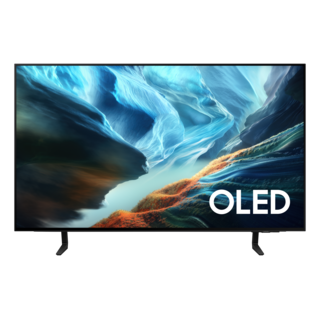
Guidance for Samsung televisions. Check the feature and control descriptions against your model.
Specifications & model details
QN42S90HAE: model-specific checks
What this model’s energy figure means
Samsung QN42S90HAE is listed at 128 kWh/year. Using an illustrative $0.20/kWh, that is $25.60 per year, or $2.13 per month, on the source’s annual test basis. For your rate, multiply 128 by your electricity price per kWh. Compare labels from the same test method; age, actual use, water heating and load choices can change the household result.
Samsung QN42S90HAE lists 2160 pixels native vertical resolution. That is the height in pixels. Compare the source device’s output and the display’s supported input timings; the vertical figure alone does not establish horizontal pixels, refresh rate, HDR or an HDMI version.
Keep a specification-based TV review separate from hands-on claims that were not measured.
Owner guide: Specification review
Category & symptom guidance
Specification review
3 minute read · Shared guidance for televisions
Review the documented specification, not an untested claim
A useful review can assess what the manufacturer documents: screen type, native resolution, refresh behavior, HDR formats, HDMI inputs, tuner, smart platform, audio connections, dimensions, and power data. Identify the exact model and regional suffix. Marketing names such as “motion rate” or “dynamic contrast” may not equal a standardized native specification, so keep manufacturer terminology and independently measured values separate.
If no hands-on testing was performed, say that the assessment is specification-based. Do not claim actual black level, brightness uniformity, input lag, reliability, or speaker quality without a measured test or a clearly attributed source. A checklist can still help a buyer compare fit and feature support against documented needs.
Translate features into viewing needs
Explain who benefits from each specification. Multiple HDMI inputs matter when a household uses a console, receiver, and cable box without a switch. A high refresh capability matters only when the source and selected input can deliver the matching signal. ARC/eARC matters when returning audio to a compatible soundbar or receiver. Smart-platform support matters when the viewer relies on built-in apps and prefers not to add a streaming device.
State the conditions attached to each feature: which input, resolution, refresh rate, audio format, or software version is documented. If the manufacturer does not clarify an important limitation, mark it unresolved instead of filling the gap with assumptions.
Review setup constraints alongside features
Dimensions and mounting information can be as important as picture features. Compare the television’s width, height with stand, depth, weight, and mounting pattern with the actual furniture or wall plan. Confirm stand position and cable clearance from the installation guide. A TV can fit by diagonal size yet overhang a narrow cabinet or place feet beyond its safe support area.
Include network and room requirements when relevant. A smart TV needs a usable network for streaming, while an antenna requires local broadcast signal and suitable placement. The product page cannot guarantee service quality in a particular home. Describe these as setup dependencies, not failures of the TV.
Make the review useful without pretending to test
Use a concise evidence table in the published review: specification, exact source, and practical implication. Distinguish manufacturer claims from standards labels and owner experience. If discussing energy use, use the model’s EnergyGuide data and state that actual consumption changes with screen settings and hours. For warranty, link the exact written terms instead of summarizing a product-page badge.
Close with unresolved questions a buyer should verify, such as app support period, a specific HDMI feature across all ports, or stand compatibility. Do not invent a verdict about value, longevity, or reliability from the specification sheet alone. A transparent scope makes a documented review more useful than an unsupported star rating.
Disclose the evidence behind each conclusion
For every statement, distinguish a manufacturer specification, a standards label, a firsthand observation, and an outside review. If you did not measure peak brightness, black level, viewing angle, motion response, or input lag, leave those performance claims out. If citing another reviewer, verify the exact model suffix and test settings. This lets readers use the review without mistaking a feature inventory for laboratory testing.
General background sources
These sources support the shared guide. Exact model specifications and matched family procedures have their own sources above.
Certification dataset declaration; check manufacturer installation documents for fit and clearances.
Observed Oct 30, 2026
A comparison group built from recorded designs
Samsung oled televisions
37 records in this manufacturer/public-source group. The group uses the brand, category and recorded design, rather than a guessed series or production year.
128.0–399.01 kWh/yearannual energy · 37 source values
41.5–83.5 inscreen size · 37 source values
These are source-record ranges. They do not establish current availability, a shared repair platform or installation compatibility.
Put the source facts side by side
QN42S90HAE has 9 recorded specification fields. Compare the fields that matter for your space and use, then resolve gaps with the original documents. These are catalog candidates; fit, availability, and successor relationships have not been established.