What is recorded for DVG53BB8700VA3
Samsung DVG53BB8700VA3 — Dryer Type: Gas.
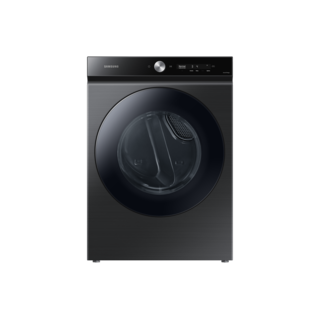
Samsung DVG53BB8700VA3
Clothes dryer · US market · 45 owner topics
Samsung DVG53BB8700VA3
Potential replacements. Compatibility is not guaranteed. Confirm the complete model, suffix, serial/version, diagram position and current part number with the seller or manufacturer before ordering. Seller links open their listings for current price, stock and returns.
We do not have a current, reviewed individual part suggestion for this model. Use the official lookup below with the full appliance label.
Use the full model and version from your appliance label. This link opens the manufacturer’s parts or support site.
Open official parts or support lookupHow these suggestions are reviewed · Seller links are unpaid. Specs & Parts does not sell these parts or guarantee fit, performance, or a repair outcome.
Guidance for Samsung clothes dryers. Check the feature and control descriptions against your model.
Specifications & model details
Samsung DVG53BB8700VA3 — Dryer Type: Gas.
Plan a dryer repair by documenting the symptom, identifying the exact appliance variant, and confirming the diagnosis and part before ordering.
Category & symptom guidance
Write down what the dryer does and when it happens: no start, interrupted cycle, unusual sound, poor drying, or a visible display message. Note whether the drum turns, whether heat is absent or excessive, and whether the condition changes between loads. These observations help distinguish a control or power issue from airflow, heating, or mechanical trouble. A component should follow a diagnosis; replacing the first part associated with a symptom can leave the underlying cause in place.
For poor drying, consider the whole air path before assuming a heater failure. In a vented dryer, lint buildup or a restricted exhaust route can reduce performance and create a hazard. Clean the user accessible lint screen as directed and look for an obvious crushed or disconnected section of external duct. Do not open the cabinet or probe internal electrical or gas components. If the dryer overheats, smells scorched, or the exhaust is obstructed beyond an accessible check, stop using it and arrange inspection.
Use the complete model identifier from the rating label, including letters that distinguish gas from electric and any suffix. A model family name alone may cover different power sources, colors, production revisions, or accessory arrangements. For example, LG lists DLEX4000 as electric and DLGX4001 as gas in its family specification; that example does not establish parts for another LG family or a different suffix. Photograph the label for your own records and provide it to the parts counter or service provider.
Also note whether the appliance is vented, condenser, or heat pump, if known. Most of LG’s DLEX4000/DLGX4001 product information are explicitly vented; their ducting advice and vent kits do not apply automatically to a condenser or heat-pump design. The power source changes what a technician must consider in a heating diagnosis. Tell the provider the installation type and any recent changes, such as a moved dryer or replaced exhaust duct, so the diagnosis reflects the installation.
Request a plain-language explanation of the test or observation that points to the proposed component. Ask whether the finding rules out simpler causes, whether any related part or connector is included, and whether the technician expects to verify operation after replacement. A useful diagnosis connects the reported behavior to a result, rather than merely naming a commonly replaced item. If the evidence is uncertain, ask whether another check is needed before authorizing parts.
For an electric dryer, a heating complaint can involve the appliance, its supply, or exhaust conditions; for a gas dryer it can involve gas-side issues that require a qualified service person. Do not attempt live electrical measurements, cabinet disassembly, gas adjustments, or bypassing a safety device. A vented model’s airflow indicator, where equipped, is a clue to inspect the duct path, not proof that a specific internal component has failed.
Ask the seller or service provider to match the part against the full model and serial range and to confirm whether the number is current, superseded, or restricted to a particular revision. A photograph, dimensions, or a similar-looking listing is not enough to establish fit. Confirm whether the quote includes required fasteners, seals, or a kit, and whether the existing part can be returned if the model match proves wrong. Do not substitute a generic item where electrical rating, gas function, heat resistance, or safety role matters.
Before buying, compare parts cost with diagnosis, labor, travel, and any follow-up visit. A low part price may not reduce the total if installation or access is costly. Retain the written diagnosis and part number so the repair record can be compared with the invoice. Manufacturer support pages can help locate model-specific owner information and support channels, but a family specification sheet is not a parts catalog.
For a vented design, restricted exhaust is a plausible cause and does not prove a failed internal component.
The cause and part fit have not yet been demonstrated to the owner.
No. Supply, airflow, controls, and other causes can produce similar behavior. Ask what diagnosis supports the proposed repair.
Only after the seller or service provider confirms fit for the complete model and serial range; appearance and family name are insufficient.
These sources support the shared guide. Exact model specifications and matched family procedures have their own sources above.
Owner guidance by Specs & Parts, drafted with GPT-6 Luna. Sources and scope.