Appliance & electronics support
Find your model numberAbout our sources
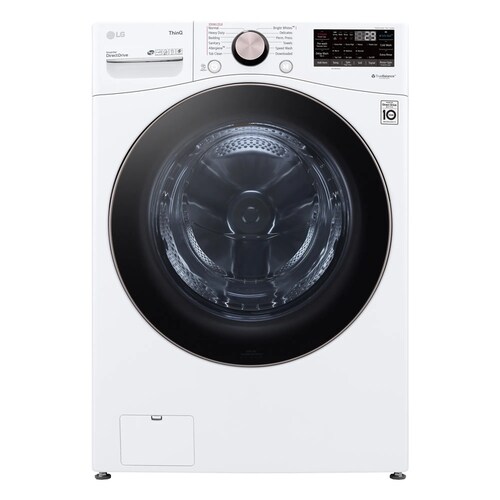
LG WM4000HWA washer — manufacturer product image
Photo: WM4000HWA. Photo source
Manufacturer sources

LG WM4000HWA

Cleaning & odor

Washing machine · US market · 50 owner topics

LG WM4000HWA / WM4000HBA front-load washers

Covers WM4000HWA and the manufacturer-listed models in this family.

LG WM4000HWA / WM4000HBA front-load washers

Keep the WM4000 drum, gasket, dispenser, and drain filter clean

The LG WM4000HWA/HBA owner manual includes a Tub Clean cycle and accessible care for the gasket, dispenser, and drain pump filter. Odor or residue usually has a visible place to inspect: the fold of the door gasket, detergent drawer, drum surface, or pump filter. Clean only the areas the manual makes owner-accessible and use products according to their labels.

Run Tub Clean monthly with an empty drum, as the WM4000 manual recommends. The tcL reminder is separate: its timing depends on use and it generally appears every one to two months. A reminder that has not appeared yet does not replace the monthly cleaning routine. Clean more often under heavy use; for an existing musty smell, LG specifies one Tub Clean cycle each week for three consecutive weeks.

Clean the door gasket monthly

After unloading, inspect the accessible lower gasket fold for lint, hair, coins and small objects. Remove loose debris gently and wipe the door glass with a damp cloth. Do not pull the gasket away from its mounting or use a sharp tool that could cut the seal.

For monthly door-seal cleaning, the WM4000 manual specifies a diluted chlorine-bleach solution: 3/4 cup (177 mL) of liquid chlorine bleach in 1 gallon (3.8 L) of water. Wear rubber gloves and protective goggles. Never use undiluted bleach on the seal, and do not mix it with other cleaners. If the seal is torn or distorted, arrange repair rather than applying adhesive.

  1. Prepare the manual’s diluted solution while wearing the specified gloves and eye protection.
  2. Dampen a sponge or soft cloth with the solution and wipe around the accessible door seal.
  3. Wipe remaining moisture with a dry towel or cloth, then leave the door open to dry while keeping children and pets away.

Clean the detergent drawer and housing

Clean the dispenser drawer once or twice a month. Detergent left in the compartments can harden and restrict dispensing. The WM4000 drawer has a disengage button so it can be removed for cleaning; pulling hard against the stop can damage it. Keep the inserts in their original compartments when reassembling.

Use only the detergent type and quantity recommended for a high-efficiency washer and the product label. Excess suds or products not intended for HE machines can leave residue and may contribute to leaks or poor rinsing. If the drawer is cracked, the insert is missing, or water remains in a place the manual does not identify as cleanable, document it and ask LG for the correct part or service.

  1. Turn the washer off and unplug it. Pull the detergent drawer out to its stop.
  2. Press down the drawer disengage button and pull the drawer completely out. Remove the inserts.
  3. Wash the inserts and drawer with warm water and a soft cloth or brush. Do not add soap.
  4. Dry the parts. Use a small non-metal brush to clear residue from the upper and lower drawer recess, then reinstall the inserts and drawer.

Run the monthly Tub Clean cycle

Empty the drum before starting. Put a drum cleaner in the main detergent compartment; a cleaning tablet goes directly into the drum. For a powdered product, remove the liquid detergent cup first. Follow the cleaner label for dose and do not mix products. If choosing liquid chlorine bleach, use the bleach compartment and stay below its maximum line.

After a descaler or drum cleaner, LG directs using Rinse+Spin before the next laundry load. If a musty smell is already present, run Tub Clean once a week for three consecutive weeks, then return to monthly care. This addresses residue; a washer that will not drain needs the drainage checks as well.

  1. Remove all clothing and add the chosen cleaner in the appropriate location.
  2. Close the door, press Power, select Tub Clean and press Start/Pause.
  3. When the cycle finishes, open the door and let the empty drum dry. Keep children and pets away from the opening.

Care for the owner-accessible drain filter

The drain pump filter sits behind the lower-front access cover. Before opening it, turn the washer off, unplug it and let any hot water cool. Water left in the drum can overflow when the filter is removed, so drain through the small hose first. Use a shallow container and towels; empty the container as needed before releasing more water.

Reassemble the filter and hose cap firmly and check for leakage after a supervised drain. The filter is designed to catch foreign objects; it is not a reason to reach into the pump mechanism. If the cap is damaged, stuck, or leaks when correctly seated, stop and contact service. Keeping a note of the date and debris found can help explain a later slow-drain or odor complaint.

  1. Open the lower-front pump filter cover. Unclip the small drain hose, remove its plug and collect the residual water.
  2. After draining, turn the pump filter counterclockwise to remove it. Clean the filter and its accessible opening.
  3. Replace the drain-hose plug and clip the hose back. Insert the filter and turn it clockwise until properly seated, then close the cover.
  4. After restoring power, check the area for leaks during the next drain. Stop if water escapes around the filter or hose plug.

Use odors and residue as diagnostic clues

A new washer can have a temporary rubber odor, according to LG’s WM4000 manual. A persistent musty smell is more useful when linked with a location: gasket residue, standing water, a dirty filter, detergent buildup, or a drain hose that allows water to siphon back. Check the visible owner-maintenance areas first and note whether the odor appears on clean laundry or only inside the drum.

If odor remains after proper Tub Clean and accessible cleaning, or if water does not drain, the problem may need service. Do not pour bleach, descaler, detergent, and other chemicals together. If a cleaner causes irritation or spills, follow its label and ventilate the room.

  1. Record where the smell is strongest and what maintenance was performed before requesting service.

Common questions

How often should I run Tub Clean?

Run it monthly with an empty drum. The tcL alert is usage-dependent and generally appears every one to two months; use the monthly routine even before an alert. For an existing musty smell, LG specifies weekly Tub Clean for three consecutive weeks.

Can I clean the filter while the drum is full of water?

Drain residual water through the designated hose first and let hot water cool. Opening the filter with water in the washer can spill water onto the floor.

Specifications & model details

WM4000HWA: model-specific checks

Start with this washer’s layout

LG WM4000HWA is listed as Front-load washer. For this recorded front-loading LG design, inspect the accessible door glass and seal, drawer opening and visible hose connections. For a wet load, first establish whether water remains in the drum. Door locking, spin selection and pump-filter access are distinct checks; use only the access points described for the actual unit.

Recorded model facts

Model details relevant to this topic

SpecificationRecorded valueEvidence
Child lockYes
Manufacturer
LG — WM4000HWA specification sheet

Exact-model manufacturer resource; WM4000H_A sheet, SUMMARY, POWER SOURCE, DIMENSIONS and explicit UPC model rows

LG WM4000H_A specification sheet, Convenience Features, Child Lock: Yes. Exact unlock sequence is not supplied here.

Observed Oct 26, 2026
ConnectivityWi-Fi ThinQ
Manufacturer
LG WM4000H_A Pro Builder specification sheet

Features

Listed for the explicitly named WM4000HWA and WM4000HBA pair.

Observed Oct 27, 2026
Cycles12
Manufacturer
LG WM4000H_A Pro Builder specification sheet

Features / cycles

Sheet explicitly lists WM4000HWA and WM4000HBA. Original source value: 12 cycles.

Observed Oct 27, 2026
Maximum spin speed1300 RPM
Manufacturer
LG — WM4000HWA specification sheet

Exact-model manufacturer resource; WM4000H_A sheet, SUMMARY, POWER SOURCE, DIMENSIONS and explicit UPC model rows

LG WM4000H_A specification sheet, 7/22/20. Explicitly lists WM4000HWA. Non-metric measurements are approximate; installation clearances are separate.

Observed Oct 26, 2026
Options13
Manufacturer
LG WM4000H_A Pro Builder specification sheet

Features / options

Sheet explicitly lists WM4000HWA and WM4000HBA. Original source value: 13 options.

Observed Oct 27, 2026
Wi-FiYes
Manufacturer
LG — WM4000HWA specification sheet

Exact-model manufacturer resource; WM4000H_A sheet, SUMMARY, POWER SOURCE, DIMENSIONS and explicit UPC model rows

LG WM4000H_A specification sheet, 7/22/20. Explicitly lists WM4000HWA. Non-metric measurements are approximate; installation clearances are separate.

Observed Oct 26, 2026
ConfigurationFront-load washer
Manufacturer
LG — WM4000HWA specification sheet

Exact-model manufacturer resource; WM4000H_A sheet, SUMMARY, POWER SOURCE, DIMENSIONS and explicit UPC model rows

LG WM4000H_A specification sheet, 7/22/20. Explicitly lists WM4000HWA. Non-metric measurements are approximate; installation clearances are separate.

Observed Oct 26, 2026
Product weight187.4 lb
Manufacturer
LG — WM4000HWA specification sheet

Exact-model manufacturer resource; WM4000H_A sheet, SUMMARY, POWER SOURCE, DIMENSIONS and explicit UPC model rows

LG WM4000H_A specification sheet, 7/22/20. Explicitly lists WM4000HWA. Non-metric measurements are approximate; installation clearances are separate.

Observed Oct 26, 2026
More background: Cleaning & odor

Category & symptom guidance

Cleaning & odor

Start with moisture and residue

After unloading, remove damp laundry promptly and leave the door or lid open when practical so the interior can dry. Wipe visible water from surfaces that stay wet, including the door glass and accessible seal area on front-load machines. For a top-loader, allow the basket and lid area to air out. Do not leave wet items or standing water in the washer for extended periods; retained moisture and residue can contribute to odor.

Look for product buildup where detergent or softener is dispensed. Use the dispenser as intended and avoid overfilling it. If residue is visible, clean the removable parts only as the manual permits and let them dry before reinstalling. Do not pour cleaner into an unknown compartment or dismantle dispenser parts without model-specific directions.

  1. Remove laundry when the cycle ends and air the washer interior between loads.
  2. Wipe visible moisture from accessible surfaces using a soft cloth.
  3. Inspect dispenser openings and remove buildup only by the method in the exact-model instructions.

Clean without mixing products

Use a washer-cleaning cycle or product only if the owner instructions for your model call for it, and follow the product label for amount and placement. Avoid combining cleaners, bleach, vinegar, ammonia, or other chemicals in one treatment. Chlorine bleach mixed with ammonia or acids such as vinegar can produce toxic gas. If you use a product, ventilate the room and keep it away from children and pets according to its label.

Do not use abrasive cleaners, harsh chemicals, or solvents on washer finishes. A cleaning method safe for one material or model may damage another. If odor persists after a documented cleaning cycle and routine drying, note whether it smells musty, chemical, or like sewage; that distinction helps decide whether the issue is residue, a product spill, or possibly the drain arrangement.

  1. Read both the washer manual and the cleaner label before using a cleaning product.
  2. Use one cleaning product at a time; never mix bleach with vinegar, ammonia, or another cleaner.
  3. Wipe up spills promptly and avoid allowing chemicals to sit on the washer finish.

Adjust habits to washer design

Front-load washers have a door seal and detergent drawer that can retain moisture. After a load, inspect the visible folds of the seal for lint or small items and wipe away water; keep the door ajar if the room and household allow. Clean the drawer and accessible recess as directed by the manual. Do not pull or stretch the seal to reach hidden areas.

Top-load machines have a lid and basket area rather than a front door seal. Let the basket dry with the lid open and clear lint or residue from accessible surfaces. High-efficiency top-loaders use less water than conventional designs, so seeing less water is not evidence that the machine needs extra detergent or a manual fill. Use detergent suited to the machine and the product directions; excess detergent can leave residue and worsen odor.

  1. For a front loader, check the visible door-seal folds and drawer after washing.
  2. For a top loader, air the basket and clean accessible residue without reaching into moving or inaccessible parts.
  3. Use detergent amounts appropriate to load size, soil, water conditions, and the product label.

Trace an odor that returns

If odor returns soon after cleaning, change one factor at a time. First reduce detergent or softener if you have been exceeding label directions; then allow the interior to dry between uses. Check for a forgotten wet load, a spill, or debris around accessible areas. If the odor is strongest near the drain or appears alongside water left in the washer, note that pattern and compare the drain setup with the installation guidance for the exact model.

A persistent sewage-like odor, visible leak, recurring standing water, or odor accompanied by smoke or a burning or chemical smell needs a different response than routine mildew prevention. Stop using the washer for a burning or smoke condition and follow the manufacturer’s support instructions. Do not open panels or attempt to clean internal pump or electrical areas.

  1. Track when the smell returns and whether it follows a particular detergent, load, or cycle.
  2. Check accessible areas and the documented drain arrangement if odor coincides with retained water.
  3. Use the exact model’s support guidance if the odor persists despite routine cleaning and drying.

What to do with what you find

Musty odor is strongest after laundry sits in the washer or the interior remains damp.

Moisture and retained residue may be contributing.

Remove loads promptly, air the interior, and clean accessible residue as directed for the model.

Odor persists with standing water, leakage, or a drain-like smell.

Routine surface cleaning may not address the cause.

Stop repeated cleaning attempts and consult the washer’s installation or manufacturer support guidance.

Have these details ready

  • Washer model and loading design
  • Where and when the odor appears
  • Cleaner and laundry-product names used
  • Whether water remains, leaks, or drains normally

Common questions

Should I use vinegar and bleach together to clean the washer?

No. Never mix chlorine bleach with vinegar or other acids; use at most one cleaner at a time and follow the washer and product instructions.

Does a front-load washer need its door left open after use?

Allowing the interior to dry can help reduce retained moisture. Leave it ajar when practical and safe for your household, and follow the model’s care guidance.

General background sources

These sources support the shared guide. Exact model specifications and matched family procedures have their own sources above.

  1. media.us.lg.com/m/6d5d734b0871fbdf/original/WM4000_Owners-Manual.pdf
  2. images.salsify.com/image/upload/s--4zVee-ir--/44e1044e71329cd6678e18edc3950e53c5694077.pdf
  3. images.salsify.com/image/upload/s--dBhUJ9s5--/3f58f84eaa9d207a6fdadfa3a955c70b28005ee2.pdf
  4. producthelp.whirlpool.com/Laundry/Washers/Product_Info/Washer_Product_Assistance/Auto_Sensing_in_a_Top_Load_HE_Washer

Owner guidance by Specs & Parts, drafted with GPT-6 Luna. Sources and scope.

Sources for WM4000HWA

LG WM4000H*A Owner’s Manual Observed Oct 27, 2026
Suggest a correction