Appliance & electronics support
Find your model numberAbout our sources
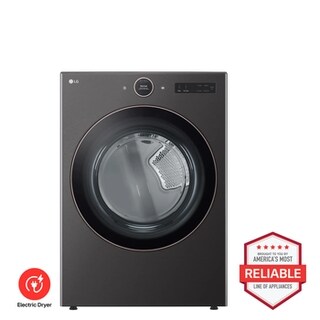
LG DLEX6500B Electric Dryer Brought to You by Americas Most Reliable Line of Appliances - Front View
Photo: DLEX6500B. Photo source
Manufacturer sources

LG DLEX6500B

Heating but not drying

Clothes dryer · US market · 47 owner topics

LG DLEX6500 / DLGX6501 front-load dryer family

Covers DLEX6500B and the manufacturer-listed models in this family.

LG DLEX6500 / DLGX6501 front-load dryer family

Find why a DLEX6500/DLGX6501 load remains damp

The 6500 family is a vented 7.4 cu. ft. dryer with 23 cycles, AI Sensor Dry and FlowSense. Start by checking whether all garments are damp or only bulky/heavy pieces, then check the filter and FlowSense. This separates load balance and airflow from a persistent drying fault.

DLEX6500 electric models are rated 120/240 V, 60 Hz, 26 A; DLGX6501 gas models are 120 V, 60 Hz, 11.5 A plus gas. Keep those checks distinct. A damp result alone does not identify a failed component.

  1. Sort heavy fabrics and check the load size before changing settings.
  2. Clean the screen and inspect the visible vent route if all loads are slow.
  3. Use Manual Dry for a very small load when Sensor Dry stops damp.

Inspect the load before adjusting dry level

If lightweight items are dry but towels, jeans or thick seams remain damp, separate heavy fabrics and avoid overloading. Bedding can ball up and keep its center wet; redistribute it if the care label permits. A stronger dry level may help a suitable load, but it can overdry delicate pieces mixed in.

Sensor Dry may stop early with a very small load because the items do not contact the sensor consistently. The 6500 cycle sheet lists Manual Dry programs; select a charted time cycle for a tiny load instead of repeatedly extending a sensor cycle.

Check the filter and exhaust path

Clean the lint screen before the next test. Check the visible transition duct for crushing and the outside hood for a blockage. FlowSense indicates an exhaust path that is too long, has too many turns or is restricted. Its alert does not name the exact obstruction.

After clearing a restriction, the manual says multiple consecutive cycles may be needed for reevaluation; the indicator may persist for two hours after a cycle. If it remains active after more than five cycles, contact service. Stop if the manual shows a severe restriction warning.

Choose a documented cycle and option

The sheet lists Normal, AI Dry, Bedding, Towels, Delicates, Quick Dry, Timed Dry, Heavy Duty, SteamFresh, Steam Sanitary and other cycles. Use the chart to match fabric and load. Energy Saver is enabled by default on Normal; the manual says it uses lower temperatures, extends time and can feel cool at the beginning.

Steam and Energy Saver cannot be selected together. Steam programs are for dry garments with listed exclusions, not wet laundry. Change one setting at a time so the result is clear, and follow garment labels.

Check installation when slow drying is new

The sheet lists four-way venting for electric and three-way venting for gas models. If slow drying began after installation or moving, have the installer compare the route, material and elbows with the correct installation table. Confirm exhaust terminates outdoors. Do not apply an electric vent kit or rating to DLGX.

Visible lint at the hood or a crushed transition section can be corrected externally when the appliance is cool and safely accessible. A long concealed duct needs professional inspection. Do not move a connected gas dryer or probe its interior.

Escalate a repeatable poor result

After cleaning the screen and confirming the vent, test a similar, reasonably sized load on the cycle chart’s appropriate setting. If the same items remain damp with no airflow alert, or a code repeats, contact LG support. Report whether the full load is wet or only thick sections, the cycle/options, displayed code, and whether the problem began after vent work.

For DLEX, a repeated breaker trip or damaged plug calls for electrical service. For DLGX, stop for a gas odor or suspected leak and contact the utility or qualified service. Do not remove panels or reach into a hot or running dryer.

Only thick items in a mixed load remain damp.

The sensor may stop when lighter items are dry while heavy sections retain moisture.

Separate heavy items and run a compatible charted cycle.

All loads are slow and FlowSense lights.

The manual associates the alert with restricted exhaust.

Inspect the visible duct and have concealed sections professionally checked.

A tiny load stops damp without FlowSense.

Sensor contact may be too limited for reliable sensing.

Use a charted Manual Dry cycle for the small load.

Common questions

Should I select higher heat for all damp loads?

No. First check load sorting and airflow, then use the cycle chart for the fabric.

Why does Energy Saver take longer?

The manual says it dries at lower temperatures and increases cycle time.

Specifications & model details

DLEX6500B: model-specific checks

Use the recorded energy source

LG DLEX6500B is listed as Electric with Vented venting. Record power-on, tumbling and heat as three separate observations. Start a slow-drying check with the selected program, load and owner-accessible lint path. The supply rating and any burner or heating-circuit diagnosis require the original requirements for this model.

Recorded model facts

Model details relevant to this topic

SpecificationRecorded valueEvidence
Dryer capacity7.4 cu ft
Manufacturer
7.4 cu. ft. Front Load Electric Dryer - DLEX6500B | LG USA

Individual LG USA PDP: page title and main product heading identify DLEX6500B. Exact specification values are cross-checked against the linked family sheet; see documents and fact contexts.

Official LG US product page visibly names DLEX6500B; family specification sheet DLEX6500_ / DLGX6501_ Spec Sheet lists the same literal model code. Summary/Power Source table: explicit dryer type, fuel-coded models, capacity, vent type, color, electrical requirements; dimensions table; UPC CODES table. Supporting manufacturer sheet: https://www.lg.com/us/support/products/documents/dlex6500_dlgx6501_spec_sheet.pdf

Observed Oct 27, 2026
Dryer configurationFront Load Dryer
Manufacturer
7.4 cu. ft. Front Load Electric Dryer - DLEX6500B | LG USA

Individual LG USA PDP: page title and main product heading identify DLEX6500B. Exact specification values are cross-checked against the linked family sheet; see documents and fact contexts.

Official LG US product page visibly names DLEX6500B; family specification sheet DLEX6500_ / DLGX6501_ Spec Sheet lists the same literal model code. Summary/Power Source table: explicit dryer type, fuel-coded models, capacity, vent type, color, electrical requirements; dimensions table; UPC CODES table. Supporting manufacturer sheet: https://www.lg.com/us/support/products/documents/dlex6500_dlgx6501_spec_sheet.pdf

Observed Oct 27, 2026
Exact listed model codeDLEX6500B
Manufacturer
7.4 cu. ft. Front Load Electric Dryer - DLEX6500B | LG USA

Individual LG USA PDP: page title and main product heading identify DLEX6500B. Exact specification values are cross-checked against the linked family sheet; see documents and fact contexts.

Exact model identity, confirmed on individual US PDP and matching family sheet model/UPC row. Supporting manufacturer sheet: https://www.lg.com/us/support/products/documents/dlex6500_dlgx6501_spec_sheet.pdf

Observed Oct 27, 2026
Manufacturer-listed colorBlack Steel
Manufacturer
7.4 cu. ft. Front Load Electric Dryer - DLEX6500B | LG USA

Individual LG USA PDP: page title and main product heading identify DLEX6500B. Exact specification values are cross-checked against the linked family sheet; see documents and fact contexts.

Official LG US product page visibly names DLEX6500B; family specification sheet DLEX6500_ / DLGX6501_ Spec Sheet lists the same literal model code. Family specification lists this color suffix. Supporting manufacturer sheet: https://www.lg.com/us/support/products/documents/dlex6500_dlgx6501_spec_sheet.pdf

Observed Oct 27, 2026
More background: Heating but not drying

Category & symptom guidance

Heating but not drying

Make sure the load can tumble

A drum packed tightly with wet fabric can leave little room for air and movement, even when the dryer is producing heat. Remove some items and dry a smaller load of similar fabric. Shake out tangled sheets and separate thick garments from lightweight pieces so damp zones are not trapped against one another.

Check care labels before extending heat exposure. Some items should be dried on lower heat or laid flat, so a longer hot cycle is not an appropriate fix for every damp result.

Inspect the right moisture path

For a vented dryer, clear the lint screen and look at the visible exhaust duct for crushing, sharp bends, or a blocked exterior flap. Airflow carries water vapor outdoors; heat without adequate airflow can leave clothes damp and raise overheating risk. If the duct disappears behind the appliance, do not pull out a stacked unit or disconnect it yourself.

For a condenser or heat-pump design, check its water container and the user-accessible filters or heat exchanger described in its manual. These dryers do not use the same outdoor exhaust route. A full reservoir or neglected filter can impede moisture removal even while the machine feels warm.

Treat indicators as clues

A duct-clogging indicator on supported vented models signals an airflow concern, not the precise obstruction or a guaranteed appliance failure. Some LG DLEX4000/DLGX4001 family models list FlowSense; use the exact manual to interpret the display for your machine. If it appears after the screen is clean, the rest of the exhaust route may still need attention.

If no indicator is available, visible lint buildup, a weak exterior flap, or a cycle that has lengthened since vent work are useful observations. Do not probe the duct with tools or reach into an inaccessible outlet.

Check cycle and sensor conditions

A sensor cycle may end or revise time based on moisture readings; a very small load or mixed fabrics can make results less representative. Compare a moderate, similar-fabric load on a suitable cycle with the manual’s dryness choices. Timed drying can provide a comparison, but use a fabric-safe setting and do not keep extending cycles to compensate for suspected restricted airflow.

If garments are actually hot and damp, note whether all items share the symptom or only thick seams, pockets, and folded areas. That pattern helps distinguish uneven load drying from a broader moisture-removal issue.

Escalate when airflow checks do not resolve it

After one small comparison load and the applicable owner maintenance, persistent hot, damp laundry needs model-specific evaluation. Report the dryer design, fuel type, whether the drum tumbles, any indicator, and what was cleaned. A change after installation or vent rerouting is especially relevant.

If the cabinet is unusually hot, lint is accumulating around it, or there is a burning smell, stop using it. Do not open the dryer to inspect a heater or blower.

What to do with what you find

Smaller load dries, while a large mixed load stays damp.

Load volume or fabric distribution is contributing.

Use separated loads and avoid tightly packing the drum.

Hot damp clothes persist after design-specific filter and airflow care.

Moisture movement or dryer operation needs assessment.

Provide observations and indicator status to exact-model support.

Have these details ready

  • Dryer design and gas/electric type
  • Load size and fabric mix
  • Filter, reservoir, or vent checks completed
  • Indicator state and recent installation changes

Common questions

Does warmth prove the dryer’s airflow is adequate?

No. Heat and moisture evacuation are separate parts of drying.

Should I pull the dryer out to inspect its duct?

Not if it is heavy, stacked, or the duct is inaccessible. Arrange appropriate installation or service help.

General background sources

These sources support the shared guide. Exact model specifications and matched family procedures have their own sources above.

  1. www.energy.gov/cmei/buildings/consumer-clothes-dryers
  2. www.cpsc.gov/Safety-Education/Safety-Guides/Home-Fire-Electronics-and-Electrical/Overheated-Clothes-Dryers-Can-Cause-Fires
  3. gscs-b2c.lge.com/downloadFile?fileId=2yGdcTa7P2CJgWmTA
  4. www.lg.com/us/support/product/lg-DLEX4000W.ABWETUS?tab=1
  5. www.energy.gov/sites/prod/files/2022-08/energy-saver-guide-2022.pdf

Owner guidance by Specs & Parts, drafted with GPT-6 Luna. Sources and scope.

Sources for DLEX6500B

Suggest a correction