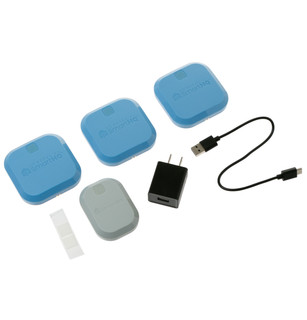
Specifications for SPLK30N01A with owner checks for this product design. Use the matching manual for control sequences and replacement parts.
Specifications & model details
SPLK30N01A: model-specific checks
Start with the source identity
GE SPLK30N01A is the exact code in this catalog record. This topic should be evaluated for that code and washers category. The original source record is linked below; unrecorded settings, dates and compatibility remain unknown.
Remove model-specific transport materials, prepare laundry products and supplies, and make a supervised first check for leaks, stability, and drainage.
Owner guide: Set up a washer for first use
Category & symptom guidance
Set up a washer for first use
3 minute read · Shared guidance for washing machines
Complete installation before loading
Before the first wash, confirm that the washer is installed in a suitable location and that its transport materials have been removed as directed. Restraints differ between front-load and top-load designs. A front-load washer may use shipping bolts; another design may use a different stabilizer. Follow the exact installation guide and retain any transport parts it says to save.
Check that the washer sits firmly, required water supplies are connected, the drain hose is secured, and the cord and outlet match the product instructions. Do not start a cycle to test an installation with a visible leak, unstable cabinet, damaged cord, or uncertain drain route. Correct those issues first.
Prepare a suitable first load
Sort items by care label, color, soil, and fabric type. Keep bulky or unusual articles within the manual’s guidance; a rated capacity does not mean an item can circulate properly. A front-load washer generally relies on tumbling in a drum, while top-load machines may use an agitator or a low-profile impeller or wash plate. Load as directed for the washer’s design rather than transferring a loading pattern from another type.
Use the detergent type and amount recommended by the washer and detergent labels. Many high-efficiency washers call for HE detergent because it is formulated for lower-water washing and reduced suds. Put products in the designated dispenser or drum location for the exact model. Do not assume all washers have the same dispenser compartments or that a softener or bleach option is present.
Run the prescribed first check
Use the initial installation or test procedure in the exact manual. It may specify a particular cycle or test load, so do not substitute a procedure copied from another product. During the check, observe whether water enters, the cabinet stays stable, and the washer drains without visible leaks. Keep the area clear and do not reach into the tub or drum while it is moving.
A top-load HE washer may pause to sense the load or use less visible water than a conventional-fill machine. That can be normal when the product is designed for sensing. A front-load washer may also rotate or measure the load before the main wash action. Use the manual to distinguish normal startup behavior from a supply or control problem.
Review results and prepare for regular use
After the first check, inspect the supply connections and the floor for moisture. Confirm the drain hose stayed secured and the machine did not rock or move excessively. If all checks pass, review the manual’s everyday guidance for detergent, load size, cycle choice, and care. Leave the machine in the condition the manufacturer recommends after use, especially where door or lid ventilation is addressed.
If a leak, repeated fill failure, unusual noise, or excessive vibration occurs, stop and consult the installation troubleshooting section. Do not remove panels, defeat a lid or door lock, or continue repeated test cycles in the hope that a poor installation resolves itself. Ask the installer or manufacturer for help when the source is not an accessible hose, shutoff, or leveling issue.
What to do with what you find
The first check completes with no leak, stable position, and normal discharge.
The washer appears ready for ordinary use under the manual’s guidance.
Use the recommended detergent, loading, and cycle practices.
The washer leaks, rocks excessively, or fails to drain during setup.
Installation may be incomplete or a connection may be wrong.
Stop and have the installer or qualified service correct the issue.
Have these details ready
Exact first-use/test procedure
Observed fill, stability, leak, and drain behavior
Common questions
Should I use the same first test cycle for every washer?
No. Follow the test procedure in the exact model’s installation instructions.
Is low visible water during setup always a fault?
No. Some HE top-load sensing washers use less water, and front-load machines also operate with low visible water. Check the manual for normal behavior.
General background sources
These sources support the shared guide. Exact model specifications and matched family procedures have their own sources above.
Explicit product_first_distribution_date in exact OEM primary SKU record; not a manufacturing year or import date. Primary source: https://www.geappliances.com/appliance/UNIVERSAL-3-1-SMARTHQ-LEAK-DETECT-KIT-SPLK30N01A