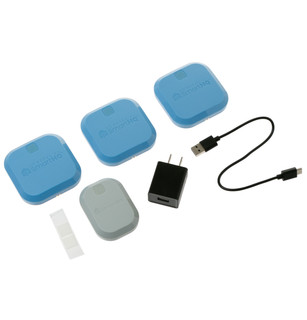
Specifications for SPLK30N01A with owner checks for this product design. Use the matching manual for control sequences and replacement parts.
Specifications & model details
SPLK30N01A: model-specific checks
Start with the source identity
GE SPLK30N01A is the exact code in this catalog record. This topic should be evaluated for that code and washers category. The original source record is linked below; unrecorded settings, dates and compatibility remain unknown.
Classify the sound by when it occurs and whether the washer moves. Load distribution, floor support, installation materials, and normal cycle action can sound very different.
Owner guide: Noise & vibration
Category & symptom guidance
Noise & vibration
4 minute read · Shared guidance for washing machines
Describe the sound in context
Listen from a safe distance and note whether the sound occurs during fill, agitation, draining, or high-speed spin. A steady water sound during fill differs from a repeated knock during spin, while a brief pause in a sensing washer may be normal. Record whether the washer itself shifts, whether the noise repeats with an empty tub, and whether the sound is new.
Do not reach into the tub to investigate while the basket or drum is moving. If a loud sound begins suddenly with scraping, grinding, or violent movement, stop the cycle using the normal controls and wait for motion to cease.
Rule out load and floor causes
On a top-loader, untangle bulky items and spread the load around the basket. Agitator models can bunch long items around the center; impeller models need items distributed around the wash plate. On a front-loader, check that the drum is not packed tightly and that a small load has not collected in one area. Then observe whether the sound changes with a balanced load.
Check from outside whether all feet appear firmly planted and the washer is on a solid, level surface rather than a soft rug or flexible platform. The LG WM4000H*A manual specifically warns that a flexing floor, sliding leveling feet, or a drain pan setup can contribute to excess vibration; those details are scoped to that model’s installation instructions.
Consider normal design sounds
High-efficiency washers may use less water and make pauses or intermittent sounds that differ from a conventional washer. The GE PTWN6250M quick reference describes quiet sensing periods and a “swoosh” or “zip” sound from its direct-drive wash action as expected behavior for that model. This example does not establish what another washer should sound like.
A low water level during wash is also not, by itself, evidence of a fault on an HE machine. Compare the sound and cycle behavior with the washer’s own operating guidance rather than with a different design or an older machine.
Decide whether service is warranted
If vibration is limited to one unbalanced load, rearrange it and retry. If the washer repeatedly bangs with balanced loads, moves across the floor, or makes metal-on-metal scraping, stop using it until the cause is assessed. A new noise after moving or installing the machine deserves attention to installation details, including any shipping material that the model’s instructions say must be removed.
Avoid opening panels or reaching below a running appliance. Describe the sound, cycle phase, load type, and whether the washer moves when asking for service. A short audio clip taken from a safe location may help communicate the symptom.
Check for rattling objects outside the drum
A rattle can come from something touching the washer rather than from inside it. With the machine stopped, check whether the drain hose, water hoses, or nearby objects are tapping the cabinet. Look for detergent bottles, baskets, or a shelf that contacts the washer when it vibrates. Move loose items away and observe whether the sound changes on a later suitable load.
For a front-loader, inspect the visible door seal and drum for a loose item only after the drum has stopped; remove an accessible object without prying or pulling the seal. Check pockets before the next load, since coins or fasteners can create repeated noise. If the sound persists with nearby objects cleared, comes from inside the cabinet, or includes scraping, stop and seek service rather than attempting to reach behind panels.
What to do with what you find
Noise or vibration appears only with a tangled bulky load.
Load imbalance is a likely contributor.
Redistribute the load and compare on a suitable cycle.
The washer rocks or walks during spin on repeated loads.
Leveling, floor support, or a mechanical issue may be involved.
Stop repeated spin attempts and assess the installation or request service.
A quiet pause or brief sound matches the exact manual’s normal-operation description.
The sound may be a design behavior for that model.
Monitor for change, movement, or a new accompanying symptom.
Have these details ready
Sound description and cycle stage
Whether the washer moves or rocks
Load type and distribution
Recent move, installation, or change in floor placement
Common questions
Why does my high-efficiency washer seem unusually quiet?
Some HE washers pause while sensing or use wash actions that sound different from a conventional machine. Check the exact model’s normal-operation guidance and note any new banging, scraping, or movement.
Can I level the washer by adjusting its feet?
Use the exact installation instructions for the washer and only make adjustments the owner instructions permit. A flexible or weak floor may need a different remedy than foot adjustment.
General background sources
These sources support the shared guide. Exact model specifications and matched family procedures have their own sources above.
Explicit product_first_distribution_date in exact OEM primary SKU record; not a manufacturing year or import date. Primary source: https://www.geappliances.com/appliance/UNIVERSAL-3-1-SMARTHQ-LEAK-DETECT-KIT-SPLK30N01A