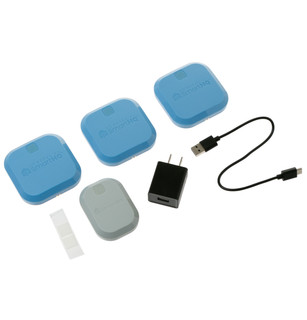
Specifications for SPLK30N01A with owner checks for this product design. Use the matching manual for control sequences and replacement parts.
Specifications & model details
SPLK30N01A: model-specific checks
Start with the source identity
GE SPLK30N01A is the exact code in this catalog record. This topic should be evaluated for that code and washers category. The original source record is linked below; unrecorded settings, dates and compatibility remain unknown.
Establish a washer's age and product history from identifiers and records. Separate manufacture date, purchase date, installation history, and service events; avoid treating any one of them as a reliability forecast.
Owner guide: Model age & history
Category & symptom guidance
Model age & history
4 minute read · Shared guidance for washing machines
Start with the full model identity
Copy the complete model number, including letters after the base number, from the appliance label. Record the serial number separately. Those identifiers let the manufacturer or support site distinguish a specific washer from similarly named variants. The GE PTWN6250M manual identifies the model and serial label under the lid for that model; label placement is not universal, so check the matching owner's documentation when necessary.
A model number identifies a product version, not necessarily when your individual unit was made or sold. Avoid using a retail listing for a related model as evidence about this washer's date, capacity, controls, or history.
Capture model and serial from the washer itself.
Match the identifier to the manufacturer's support records.
Keep the exact suffix when searching documentation.
Separate the dates that matter
Purchase date, delivery date, installation date, and manufacture date answer different questions. A receipt can establish a sale date; an installation invoice can show when it entered service; a manufacturer lookup may provide production information if that service is available. Do not infer manufacture date from a purchase date, since products may be stored or sold later.
For a used washer, ask the prior owner for any receipt, service invoice, or move history. If none exists, state that age is unknown instead of calculating a confident number from a serial code found on an unofficial chart. Ask the manufacturer whether it can interpret the exact serial and what date that interpretation represents.
Build a practical service timeline
Collect invoices, parts descriptions, warranty communications, and notes about recurring symptoms. Arrange them by date and distinguish a repair recommendation from work actually completed. A replaced component can help a technician understand the current condition, while repeated unresolved symptoms may affect whether another repair is sensible.
Record household changes that could explain a symptom: a move, new installation, altered drainage, or different laundry loads. Installation conditions can influence vibration or draining. For example, the LG WM4000H*A manual gives installation requirements for that exact family; those dimensions and requirements should not be applied to a different washer without its own documentation.
Sort receipts and service records chronologically.
Mark completed work separately from estimates.
Note moves or installation changes alongside symptoms.
Use history to guide a decision, not predict failure
A longer ownership history can help explain maintenance and prior symptoms, but it cannot by itself predict when a washer will fail. Do not treat age as a lifespan, reliability score, or repair deadline. For a current problem, combine the timeline with a present diagnosis, the condition of the washer, repair cost, and whether it still meets the household's needs.
If you are considering a used washer, ask to see it complete a normal cycle and inspect for visible leaks, unusual noise, and damage without removing covers. Request available service records and confirm the model's operating documentation. If the seller cannot establish age, that uncertainty can be reflected in your offer and decision, but it does not prove the washer is defective.
Preserve the record for future support
Keep the identification photo, proof of purchase, manuals, and service paperwork in one place. When contacting support, provide the model first and serial when requested, then describe the relevant dates and work. This makes warranty or parts questions easier to route, though eligibility and part availability must be confirmed for the exact washer.
If the washer is removed from service, retain the record long enough to resolve any open repair or warranty question. For disposal, check local collection and recycling options; EPA guidance explains consumer choices for recycling products. Follow an official safety notice's instructions if the washer is subject to one.
What to do with what you find
Receipt or manufacturer record provides a date with a clear meaning.
That specific purchase or production date can be documented.
Label the date type and retain its source.
Only a guessed serial decoding or related-model listing is available.
Age and version remain unverified.
Ask the manufacturer or record the date as unknown.
Have these details ready
Full model and serial identifiers
Receipt, delivery, and installation dates if available
Manufacturer date interpretation and its stated meaning
Chronological repair and symptom records
Move or installation changes relevant to current behavior
Common questions
Can I calculate the washer's age from the model number?
Usually the model number identifies a product version, not the unit's production date. Use purchase records or ask the manufacturer to interpret the exact serial.
Does a documented old age mean replacement is due?
No. Age alone does not establish condition or remaining life. Use the current diagnosis, repair estimate, and household needs.
General background sources
These sources support the shared guide. Exact model specifications and matched family procedures have their own sources above.
Explicit product_first_distribution_date in exact OEM primary SKU record; not a manufacturing year or import date. Primary source: https://www.geappliances.com/appliance/UNIVERSAL-3-1-SMARTHQ-LEAK-DETECT-KIT-SPLK30N01A