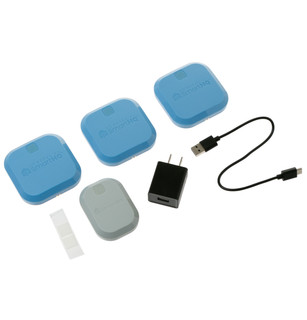
Potential replacements. Compatibility is not guaranteed. Confirm the complete model, suffix, serial/version, diagram position and current part number with the seller or manufacturer before ordering. Seller links open their listings for current price, stock and returns.
We do not have a current, reviewed individual part suggestion for this model. Use the official lookup below with the full appliance label.
Continue with GE Appliances
Use the full model and version from your appliance label. This link opens the manufacturer’s parts or support site.
How these suggestions are reviewed · Seller links are unpaid. Specs & Parts does not sell these parts or guarantee fit, performance, or a repair outcome.
GE washers
Specifications for SPLK30N01A with owner checks for this product design. Use the matching manual for control sequences and replacement parts.
Specifications & model details
SPLK30N01A: model-specific checks
Start with the source identity
GE SPLK30N01A is the exact code in this catalog record. This topic should be evaluated for that code and washers category. The original source record is linked below; unrecorded settings, dates and compatibility remain unknown.
Replace washer hoses and owner-serviceable items using the instructions for the exact model, and stop when the task crosses into internal repair.
Owner guide: Consumable replacement
Category & symptom guidance
Consumable replacement
3 minute read · Shared guidance for washing machines
Decide whether replacement is due
Inspect exposed supply hoses for cracks, bulges, kinks, abrasion, dampness, or rust staining around the fittings. A damaged hose should be addressed promptly; do not wait for a scheduled interval. If there is no visible damage, use the replacement guidance in the washer’s manual rather than assuming every hose has the same service life.
Intervals differ by product guidance. GE’s PTWN6250M owner manual recommends changing hoses every five years, and the LG WM4000H*A manual also says to replace hoses every five years. These are examples tied to those models. They do not establish an interval for all washers. If the washer manual is missing, identify the model from its rating label and obtain the correct installation or owner document before deciding.
Plan the hose change around fit and water control
Before buying, confirm the washer’s hot and cold connections, household faucet connections, and the required reach with the machine in its final position. Select new hoses that meet the appliance instructions and applicable local requirements. Do not stretch hoses taut, route them where the washer can crush them, or let them kink behind the cabinet.
If you cannot close both water supply valves, the valves are seized, or the washer is in a position that makes a leak difficult to contain, arrange help before disconnecting anything. A hose change involves household water connections, so prepare towels and a container and keep the work area clear. Never attempt to substitute a shutoff or alter plumbing as part of this appliance task.
Follow the exact installation sequence
Use the installation instructions for the washer, not a video for a similar-looking machine. They should identify the hot and cold ports, whether hose seals are supplied, the permitted tightening approach, and what to check after opening the household valves. Do not cross-thread fittings or overtighten them; either can damage a connection and cause a leak.
After installation, inspect the hose connections at both ends while the valves are open. If any connection drips, close the valves and correct the issue only as the manufacturer’s instructions permit. Do not run a load to test a visibly wet connection. The GE PTWN6250M installation sheet, for example, gives model-specific hose connection details; use those only if that is the exact washer.
Replace filters only when owner instructions say to
Some front-load washers provide an accessible drain-pump filter that owners clean periodically; a top-load model may have a different lint or inlet-screen arrangement. Replacement is not automatically required just because a filter exists. First determine whether the manual calls for cleaning or a new part, and whether the item is accessible without removing the cabinet.
If the manual does describe owner access, follow its drainage and reassembly directions exactly. Water may remain behind a pump-filter cover, so do not open it if you cannot catch and contain the discharge. For a missing cap, damaged threads, persistent leakage, or a part that will not seat as described, stop. Do not improvise a plug or run the washer with an uncertain seal.
What to do with what you find
Hose has visible damage or is actively leaking.
The connection may fail or cause water damage; a calendar interval is not the deciding factor.
Close accessible water valves and arrange hose replacement or plumbing assistance before washing.
A filter part is not explicitly identified as owner-serviceable.
Removing it may expose water or internal components beyond routine maintenance.
Confirm the model-specific instructions or ask manufacturer support to identify the correct procedure.
Have these details ready
Full washer model and its installation or maintenance instructions.
Visible hose condition and whether both household shutoffs operate.
Filter location, manual direction, and any proposed replacement part number.
Common questions
Can I reuse a hose that looks fine?
Follow the washer’s installation guidance. GE’s PTWN6250M and LG’s WM4000H*A installation documents recommend new hoses for their respective models; do not generalize that named guidance without checking your product instructions.
Should I replace a pump filter on a schedule?
Not unless the exact washer’s manual says it is a replaceable scheduled item. Many owner-accessible filters are meant to be cleaned, and other designs differ.
General background sources
These sources support the shared guide. Exact model specifications and matched family procedures have their own sources above.
Explicit product_first_distribution_date in exact OEM primary SKU record; not a manufacturing year or import date. Primary source: https://www.geappliances.com/appliance/UNIVERSAL-3-1-SMARTHQ-LEAK-DETECT-KIT-SPLK30N01A