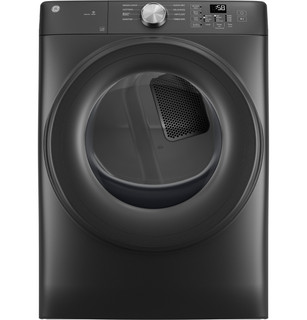
Specifications for GFD35ESPYDS with owner checks for this product design. Use the matching manual for control sequences and replacement parts.
Specifications & model details
GFD35ESPYDS: model-specific checks
Use the recorded energy source
GE GFD35ESPYDS is listed as Electric. Record power-on, tumbling and heat as three separate observations. Start a slow-drying check with the selected program, load and owner-accessible lint path. The supply rating and any burner or heating-circuit diagnosis require the original requirements for this model.
Improve cycle results by matching load, fabric, moisture setting, and dryer design before concluding the machine needs repair.
Owner guide: Poor performance
Category & symptom guidance
Poor performance
3 minute read · Shared guidance for clothes dryers
Define the result you want to improve
“Poor performance” can mean clothes remain damp, a cycle takes longer than expected, wrinkles persist, or garments come out hotter than desired. Choose one symptom and compare similar loads using the same cycle and dryness target. A mixed load of towels and lightweight shirts will finish unevenly because the fabrics hold different amounts of moisture.
Write down the load size, fabric mix, selected cycle, and result. Dryer capacity is measured by drum volume, not a promise that every bulky load will tumble freely. A tightly packed drum can restrict movement and slow drying.
Match cycle and dryness target to fabric
Sensor cycles estimate dryness and may change the displayed time as conditions change. Timed cycles run for a chosen interval and may leave a dense item damp if the time is too short. Use fabric-care labels and the exact dryer manual to choose a cycle; do not assume a cycle name or sensor behavior is identical across brands.
If the outside feels dry while a thick seam or pocket remains damp, separate the item and continue only as its care label allows. For persistent overdrying, try a lower dryness target or gentler setting where the model offers it, and compare the next similar load.
Follow maintenance for the installed design
On vented dryers, clean the lint screen as directed and keep the exhaust path free of crushing or obvious blockage. Long or restricted venting can reduce airflow and extend cycles. A vent indicator on some LG models, including the specified DLEX4000/DLGX4001 family, can flag a duct concern; it does not identify the exact location.
Condenser and heat-pump dryers manage moisture through collection and heat-exchanger paths rather than the same outdoor exhaust arrangement. Empty the water container and clean accessible filters or exchangers only as their own instructions specify. Do not use vented-dryer maintenance directions for another design.
Separate heat-source symptoms
For an electric dryer, a cycle that tumbles but has little heat can involve the supply or appliance and needs model-specific diagnosis. For gas, confirm only that the home gas service has not been intentionally shut off and that other gas appliances behave normally; do not adjust the valve or burner. A gas odor means stop use and follow local emergency guidance.
Both types require airflow and electricity for operation. If performance changed immediately after a move or vent reroute, note that timing because the installation may be relevant.
Use a controlled comparison
After cleaning owner-accessible filters and correcting an obvious load or vent issue, run one ordinary load with a known fabric mix. Compare dryness and cycle behavior rather than repeatedly restarting a large wet load. If the same problem persists, report whether the load tumbles, heats, and vents normally, along with any indicator or code.
A support decision is easier when the evidence isolates one change at a time. Avoid buying sensors or heating parts based on cycle duration alone; several airflow, supply, and load conditions can produce similar results.
What to do with what you find
Only dense or mixed-fabric loads remain damp.
Load size, fabric variation, or cycle choice may explain uneven results.
Try a smaller, similar-fabric load with the care-label-appropriate cycle.
A normal load remains damp and vent indicator or airflow concern persists.
Air movement or dryer operation needs closer assessment.
Address visible owner-maintenance items and seek model-specific support if unresolved.
Have these details ready
Symptom definition and similar-load comparison
Cycle, dryness target, and load fabric mix
Whether the dryer tumbles and heats
Vent/filter maintenance and indicator status
Common questions
Why does the time estimate change during a cycle?
Sensor-controlled cycles may revise time as moisture conditions change; the exact behavior depends on the model.
Can one long cycle prove the heater is failing?
No. Load, airflow, cycle selection, and supply can all affect duration.
General background sources
These sources support the shared guide. Exact model specifications and matched family procedures have their own sources above.