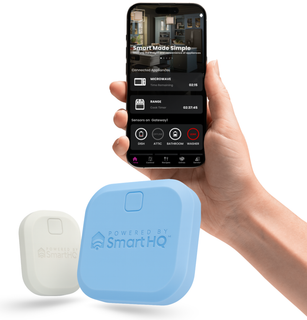
Specifications for SPLK10N01A with owner checks for this product design. Use the matching manual for control sequences and replacement parts.
Specifications & model details
SPLK10N01A: model-specific checks
Start with the source identity
GE SPLK10N01A is the exact code in this catalog record. This topic should be evaluated for that code and dishwashers category. The original source record is linked below; unrecorded settings, dates and compatibility remain unknown.
Prepare a useful dishwasher service request by describing the symptom, the conditions when it occurs, and safe owner checks already completed. Use official model support to route the issue without guessing at a fault or repair.
Owner guide: Professional service
Category & symptom guidance
Professional service
4 minute read · Shared guidance for dishwashers
Describe what the machine does
State the symptom in observable terms: for example, water remains after a cycle, dishes are still soiled, the machine stops before the clean indicator, or a leak appears at a particular edge. Say whether the behavior happens every time or intermittently and whether it began after a change such as a new detergent, a moved rack, or a plumbing issue. Avoid naming a failed part unless a technician has confirmed it.
Note the stage of the cycle and any display message or indicator exactly as shown. If a light flashes, describe its color and pattern rather than converting it into a code meaning. The GE shared manual directs owners with certain app alerts to use the app’s troubleshooting guidance and directs owners without that connection to note the display information for service. That procedure applies only to relevant models and their documented indicators.
Try only the checks your manual supports
For poor cleaning, an owner manual may identify non-invasive checks such as clearing a removable filter, confirming dishes do not block spray-arm movement, and ensuring the detergent dispenser can open. Filter layout and removal method differ by dishwasher. Whirlpool’s filter-cleaning instructions describe Whirlpool units; use them only for a matching model. On another brand, follow that model’s own directions and do not force a filter that does not release as described.
For a drain complaint, check owner-accessible items identified in your manual, such as a visible air gap if one is installed. A clogged sink disposer or plumbing restriction can affect drainage, but do not disconnect hoses or move a built-in machine to investigate unless the manufacturer’s owner instructions explicitly describe the task. Write down what you observed and whether the symptom changed after the permitted check.
Know when a symptom needs a technician
Arrange service when the same fault returns after the manual’s owner checks, a cycle repeatedly fails to finish, water leaks, the unit will not drain, or a displayed alert remains. A dishwasher that trips a household protective device, smells of burning, or shows damaged wiring needs prompt attention; stop using it and avoid opening access panels. Keep water shutoff or electrical disconnection to procedures you can safely and clearly access without dismantling the appliance.
For drying concerns, first distinguish a fault from the design’s expected behavior. Some models rely on condensation or fan-assisted drying, and results vary with plastics, item placement, rinse agent, and selected options. Bosch’s drying support explains factors for Bosch models. It does not identify the cause on a different brand; report the actual load and cycle and let the technician assess the specific design.
Choose the correct support route
Use the manufacturer’s support page for the full model number to find the owner manual, troubleshooting path, and service contact options. Confirm whether the seller, manufacturer, or an independent provider will handle the request, and ask whether the provider services the appliance’s brand and location. Do not assume an app feature or remote diagnostic is available; use it only if the exact model supports it and the owner has enrolled it as directed.
When booking, ask about the appointment process, diagnostic or trip charge, how estimates are approved, and whether any warranty claim requires a particular authorization route. These are questions about the provider’s current terms, not assumptions about the price or warranty outcome. Request written confirmation of any charge before approving a visit.
Prepare the visit and preserve evidence
Have the model and serial information available from the rating label if it can be read without moving or dismantling the dishwasher. Gather the purchase date and receipt if available, plus photos of visible leakage or damage and a brief symptom timeline. A short video can help show a sound or indicator behavior, but do not run a machine that appears unsafe just to capture evidence.
Clear access to the front of the dishwasher and the sink area if the appointment requires it. Tell the technician what owner checks were done and what changed. Keep the service report, estimate, and any replaced-part description with the appliance records; those documents help if the same complaint returns or a warranty question arises.
What to do with what you find
A leak, repeated cycle failure, persistent drain issue, or hazard sign is present.
The symptom needs assessment beyond routine loading or care checks.
Stop using the appliance when safety is in question and arrange service through the appropriate support route.
The symptom improves after a manual-authorized filter or loading check and does not recur.
The reported condition may have resulted from an owner-correctable obstruction or setup issue.
Monitor the next normal use and retain the observation; request service if it returns.
Have these details ready
Full model and serial information if accessible
Exact display message or indicator description
Symptom timing, frequency, and cycle conditions
Owner checks permitted by the exact manual
Purchase proof and visible symptom photos where relevant
Common questions
Should I give the technician a suspected part name?
Report the symptom and conditions instead. A symptom does not establish which component failed.
Can I use another brand’s filter-cleaning instructions?
No. Filter layouts and release methods vary; follow the exact dishwasher’s owner instructions.
General background sources
These sources support the shared guide. Exact model specifications and matched family procedures have their own sources above.
Explicit product_first_distribution_date in exact OEM primary SKU record; not a manufacturing year or import date. Primary source: https://www.geappliances.com/appliance/UNIVERSAL-SMARTHQ-LEAK-DETECT-KIT-SPLK10N01A
Observed Oct 30, 2026
Continue with GE
Have the complete label, serial number, purchase evidence, and a short description of the issue ready.