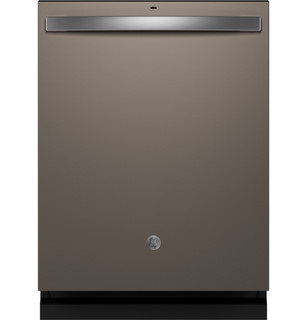
The GDT650 manual offers Wash Zones on applicable models: Upper or Lower targets one rack when dishes occupy only that rack. Dry Boost changes drying and can extend the cycle; for 1-Hour Wash, the guide describes a longer dry option. Check selected zone, rack loading, and drying choice before attributing dirty or damp dishes to a failed component.
Separate wash results from drying results
The GDT650 manual offers Wash Zones on applicable models: Upper or Lower targets one rack when dishes occupy only that rack.
Check selected zone, rack loading, and drying choice before attributing dirty or damp dishes to a failed component.
GE GDT650SMVES is the exact code in this catalog record. This topic should be evaluated for that code and dishwashers category. The original source record is linked below; unrecorded settings, dates and compatibility remain unknown.
Trace cleaning complaints from soil pattern and loading to filtration, spray access, detergent placement, and water supply before considering a repair.
Owner guide: Poor performance
Category & symptom guidance
Poor performance
4 minute read · Shared guidance for dishwashers
Describe what failed to clean
Look for a pattern: food remaining on every rack, a single blocked zone, chalky film on glass, or detergent still in the cup. A single item shielded by another dish suggests loading; widespread residue suggests a cycle, water, filter, or detergent issue. Photograph the result before scraping everything off, and note the cycle, options, and load size.
Do not pre-rinse away all evidence before deciding whether the problem is repeatable. Scrape bones, seeds, and large scraps, but ordinary soil is generally intended to be washed away. Avoid treating every film as the same problem: mineral deposits, detergent residue, and permanent glass etching have different causes and remedies.
Group the result by rack and soil type.
Record cycle, options, and whether the dispenser opened.
Photograph representative dishes before cleaning them.
Restore spray access through loading
Check that plates and pans do not block spray-arm rotation, the detergent cup, or a second arm above a rack. Tall cookware can shield neighboring items even if it does not physically stop an arm. Place cups and bowls so their openings face the center or receive spray, and avoid nesting spoons or stacking dishes face-to-face.
If your model has adjustable racks, change height only using its rack instructions and while unloaded when the manual warns that a loaded rack is heavy. Do not assume every rack has the same adjustment or fold-down parts. Run the next load with the affected zone less crowded; a targeted improvement is evidence that access, not a failed wash component, was limiting results.
Check arm travel and detergent-cup clearance with the machine off.
Reposition items that shield one another or protrude below rack wires.
Compare a less crowded load using the same cycle.
Check filtration and drain conditions
A dirty filter can recirculate soil or restrict flow. Filter designs vary: some machines have a twist-lock assembly, multiple pieces, or a basket that must be returned in a particular orientation. Identify the filter layout from the appliance instructions before removing it. Whirlpool’s cleaning guidance covers its own filter procedure and should not be treated as directions for a different brand.
Rinse only the parts designated as owner removable, clear visible debris, and reinstall securely. If the tub retains water, consider whether an accessible air gap is present and clogged; the GE manual describes an air gap check for its covered models. A clogged household drain or incorrect drain arrangement may need plumbing attention rather than repeated wash cycles.
Identify the filter configuration before removal.
Clean and reinstall according to that exact filter procedure.
Note any standing water, slow sink drainage, or air-gap overflow.
Match detergent and cycle to the job
Use detergent formulated for automatic dishwashers; hand dish soap can create excess suds and spill from the machine. Dose according to the product and water conditions, and place packets or powder where the model directs. The GE manual gives different packet placement guidance for cycles shorter than 60 minutes and longer cycles because a short wash may not release a packet from the main cup in time. Treat that as guidance for its covered models, not a universal placement rule.
A rinse-only cycle is not intended to remove soil, and a quick cycle may be less suitable for dried-on food. Choose a cycle matched to soil and load, then avoid stacking multiple options that change time or temperature without a reason. If performance worsens after changing detergent type or cycle, restore the prior known-good setup for a comparison.
Verify automatic dishwasher detergent and correct dispenser location.
Match the cycle to soil level rather than choosing only by shortest duration.
Change one factor at a time so the result is interpretable.
Interpret water and glass symptoms
Low incoming water temperature or reduced household pressure can affect cleaning. If hot water at nearby taps is slow or unusually cool, note it; the GE manual suggests ensuring hot water is available before its cycle and identifies temporarily low pressure as a possible cause. Do not adjust water valves or plumbing based on a generic number without model and installation guidance.
Spots or removable film can relate to hard water and rinse aid, while permanent cloudy etching may result from too much detergent in very soft or hot water. Once glass is etched, that change is irreversible. If the film wipes away with vinegar or another safe test, that distinction may help, but follow care guidance for the specific glassware and avoid mixing cleaning chemicals.
Compare water flow and temperature at a nearby faucet without modifying plumbing.
Check rinse-aid status if the model uses a dispenser.
Separate removable film from permanent cloudy damage before changing detergent dose.
What to do with what you find
Poor cleaning is concentrated behind a pan or on items below a rack obstruction.
Spray coverage or arm clearance is likely restricted.
Rearrange the load and compare a similarly soiled wash.
Residue persists across a balanced load after filter care and detergent placement are corrected.
Water supply, drainage, or an appliance fault may remain.
Record the pattern and arrange model-specific troubleshooting.
Have these details ready
Photos of representative residue and its rack location.
Cycle, detergent type and placement, filter condition, and whether standing water remains.
Common questions
Should I rinse every dish thoroughly before loading?
Usually scraping large scraps is enough; pre-rinsing normal soil can remove evidence and may not improve the wash. Follow the dishwasher and detergent instructions for your model.
Can I use another brand’s filter cleaning directions?
Use them only if the filter layout and retaining method match. Filter pieces and locking arrangements vary by machine.
General background sources
These sources support the shared guide. Exact model specifications and matched family procedures have their own sources above.