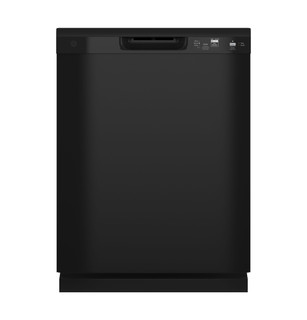
Specifications for GDF465PGZBB with owner checks for this product design. Use the matching manual for control sequences and replacement parts.
Specifications & model details
GDF465PGZBB: model-specific checks
Start with the source identity
GE GDF465PGZBB is the exact code in this catalog record. This topic should be evaluated for that code and dishwashers category. The original source record is linked below; unrecorded settings, dates and compatibility remain unknown.
Clean the accessible filter and surfaces using the layout and care directions for your model. Track where odor or residue returns to distinguish routine soil buildup from a drain or wash problem.
Owner guide: Cleaning & odor
Category & symptom guidance
Cleaning & odor
5 minute read · Shared guidance for dishwashers
Locate the filter before removing anything
Dishwasher filter arrangements vary: some have a removable cylindrical fine or ultra-fine filter, some add a separate food-particle basket, and other models use a different layout. Consult the exact model’s care instructions before twisting or lifting a component; forcing an unfamiliar filter can damage its locking tabs or leave it unseated. GE’s GD*640–670 / PD*705–795 owner manual describes one- and two-piece assemblies, while Whirlpool’s guidance explains its own filter cleaning process. Neither layout should be presumed universal.
Remove only the parts the owner instructions identify as washable. Keep track of their order and orientation as they come out, and look for arrows or lock markings. If the filter is cracked, warped, or will not lock back into place, stop and identify the correct model-specific part rather than improvising a substitute. Filter fit and replacement compatibility cannot be inferred from appearance alone.
Open the model’s care instructions and identify the filter assembly diagram.
Remove the named filter parts gently, noting their arrangement.
Rinse and clean with the method specified for that model.
Rinse away food soil without damaging the mesh
Tip loose scraps from the filter into the trash, then rinse the washable pieces under warm water. Use a soft sponge or brush only if the model instructions allow it. GE’s cited manual warns that scouring pads or brushes can scratch its filter surface, though a soft brush or sponge may help remove stubborn soil or hard-water deposits. Whirlpool also emphasizes cleaning the filter according to its model-specific removal and replacement guidance.
Avoid household drain opener, harsh abrasives, or a tool that can puncture mesh. Those products can leave residue or damage components. If mineral scale remains after ordinary rinsing, use only a cleaner or descaling method approved for the exact dishwasher; do not mix cleaning products. Clean the filter when it is visibly coated, when food is left on dishes, or at the interval stated in your manual rather than assuming a universal schedule.
Reinstall carefully and inspect spray access
Reassemble every filter section in its stated order and lock it using the marked direction or exact manual instruction. A loose filter can allow food particles to circulate, while an incorrectly seated assembly may interfere with cleaning or drainage. After reinstalling, confirm it sits flat and does not rock. Do not run the machine with a required filter part missing just to see whether the odor improves.
While the tub is empty, remove only owner-removable debris from the visible spray-arm openings if the manual permits it. Then load one test cycle so tall plates, utensils, or a pan do not block a spray arm or dispenser. A GE manual excerpt specifically warns that items protruding through a rack can block spray-arm rotation. A poor wash after filter cleaning may therefore reflect loading or blocked spray access rather than a need for stronger chemicals.
Clean the tub and door areas by material
Wipe the inside door edge, gasket surface, and control area with a soft damp cloth, then dry where water collects. Keep liquid away from openings and controls. The cited GE manual recommends a lightly dampened cloth for its control panel and says to dry it thoroughly. For the exterior, use the finish-specific care directions: painted, stainless, and coated panels can react differently to abrasive pads or acidic cleaners.
Do not pour bleach, vinegar, or a commercial dishwasher cleaner into a cycle unless the exact manufacturer instructions allow that product and amount. Cleaning products vary, and some dishwasher interiors or components can be harmed by unapproved chemistry. If you use a manufacturer-approved machine cleaner, follow its label and the dishwasher instructions together, including whether dishes should be removed and which cycle is permitted.
Trace odor to its source
A sour or stale smell can come from food left in the filter, residue on the door edge, dishes held in a closed tub, or water that is not draining fully. Clean the filter and wipe visible residue first, then run a normal wash with a properly loaded set of dishes and the detergent type specified for the cycle. Do not use hand dish soap: the GE manual warns it can create suds that spill from the dishwasher. If odor returns immediately, check whether standing water remains after a completed drain.
Some models offer a freshness or ventilation feature, but its behavior is not standard. In the GE manual family, UltraFresh is marked for some models and may operate a fan, water valve, or drain pump at intervals outside a wash cycle. That means intermittent fan or pump sounds on those covered models may be expected when the feature is enabled; do not interpret similar sounds on another model without checking its instructions. A persistent sewer-like odor can also point to drain installation or plumbing conditions that surface cleaning will not fix.
Use cleaning results to set the next step
After cleaning, note whether the odor is gone, whether food remains on dishes, and whether water drains from the tub. If the issue returns only with a particular load, inspect loading: nested bowls, blocked spray arms, or a dispenser covered by a large item can reduce wash performance. If film or spots remain, hard water, rinse-aid use, detergent amount, and incoming water temperature may contribute. Change one factor at a time and follow the detergent and rinse-aid directions for your model and water conditions.
If the filter is clean but the tub repeatedly holds water, or the smell returns with every completed cycle, cleaning has not addressed the source. Look only at visible owner-accessible drain points, such as an installed air gap, and use the manual’s steps. Do not remove the dishwasher, disconnect plumbing, or open internal panels as a cleaning task. Give support the filter condition, drain result, and when odor returns; those observations narrow the problem more than another round of additives.
What to do with what you find
Filter has visible food residue and odor improves after correct cleaning.
Routine soil buildup was likely contributing to the smell.
Reinstall the filter securely and monitor when odor returns under ordinary use.
Filter is clean, but standing water or odor returns after each cycle.
A drain path or plumbing condition may be involved beyond routine surface cleaning.
Check only visible owner-serviceable drain points and report the repeated drain result for diagnosis.
Have these details ready
Full model number and filter diagram or care instructions.
Whether odor is sour, sewage-like, or tied to a particular load or idle period.
Filter condition, visible standing-water level after drain, and any cleaning product used.
Common questions
Can I put the filter in the dishwasher or scrub it with a stiff brush?
Use the exact model’s instructions. Some filters are rinsed by hand, and abrasive pads or stiff brushes can damage fine filter surfaces.
Is a little water in the bottom always a clog?
Not necessarily; filter wells and sump designs differ. Compare the water level with the model’s care guidance and look for a change from normal, poor draining, or recurring odor.
General background sources
These sources support the shared guide. Exact model specifications and matched family procedures have their own sources above.