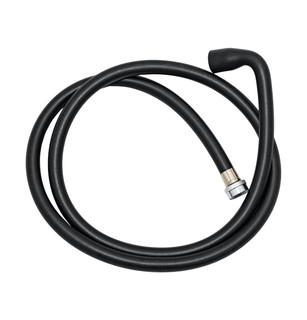
Specifications for PCDDR01KIT with owner checks for this product design. Use the matching manual for control sequences and replacement parts.
Specifications & model details
PCDDR01KIT: model-specific checks
Start with the source identity
GE Profile PCDDR01KIT is the exact code in this catalog record. This topic should be evaluated for that code and dishwashers category. The original source record is linked below; unrecorded settings, dates and compatibility remain unknown.
Arrange dishwasher removal through a recycler, local waste program, or retailer that confirms it accepts the appliance. Prepare the unit according to local instructions and keep reusable parts only when their fit is verified.
Owner guide: Recycling & disposal
Category & symptom guidance
Recycling & disposal
4 minute read · Shared guidance for dishwashers
Find an accepted local route
Check your city or county waste authority for large-appliance collection, drop-off sites, and preparation rules. EPA recycling guidance recommends looking for local recycling options and confirming what a program accepts. A listing for metal recycling does not automatically mean the site accepts an assembled dishwasher, so ask about appliance condition, appointment requirements, fees, and whether delivery to the site is required.
If buying a replacement, ask the retailer whether haul-away is included, what condition the old machine must be in, and whether the removal crew takes it for recycling or another permitted route. Get those conditions before delivery day; a seller’s general haul-away offer may exclude units that are disconnected, inaccessible, leaking, or not part of the delivery order.
Prepare the appliance for pickup
Follow the local program’s instructions for emptying and making the dishwasher accessible. Remove dishes and loose items from the racks, and leave the door in the position directed by the collector. If the machine is still connected, do not improvise a disconnection procedure; arrange removal by someone qualified to handle the water and electrical connections. The installation and owner documents describe the appliance, but disposal rules and permitted work depend on local arrangements.
Tell the collector about visible leaks, sharp damage, an unusually difficult access route, or stairs before booking. Ask whether the unit must be disconnected in advance and whether that work is included. Keep the loading path clear and protect nearby surfaces as requested by the service. A clear handoff avoids a failed pickup caused by an unmentioned access or preparation condition.
Separate parts only when there is a reason
A recycler may prefer the appliance intact, while another local program may request certain materials be separated. Ask before removing racks, baskets, hoses, or metal panels; dismantling can make collection harder and may expose sharp edges. If the unit is accepted intact, let the program handle material recovery through its process.
Keep a component for reuse only when you can identify the exact replacement model it fits and have a practical storage plan. A rack that looks similar may differ in roller spacing, stops, or attachment points. Do not advertise an old part as compatible based only on brand or appearance. The safest useful approach is to confirm the part number against the future unit’s official parts information before setting it aside.
Handle data and connected features
If the old dishwasher was connected to an account or app, remove it from the household account using the manufacturer’s documented process when available. This helps keep the appliance list current and prevents confusion when managing a replacement. Do not assume every dishwasher has Wi-Fi or a user account; use this step only for a connected model that you actually enrolled.
If the appliance is being sold or donated for reuse rather than recycled, ask the recipient what condition and documentation they need. Do not represent a machine as working unless it has been evaluated or its operating status is accurately described. A known fault, missing rack, or unavailable connection should be disclosed so the next owner can make an informed choice.
Close out collection and replacement logistics
Confirm the pickup date, location, and any proof or preparation the program requires. If dropping the unit off yourself, verify that the receiving site accepts dishwashers and learn how it wants the appliance transported. Keep the collection receipt or confirmation if provided, especially when removal is part of a purchase or property handover.
Coordinate the old unit’s removal with the replacement delivery so the installer has access and the new appliance is not left waiting in a blocked space. If delivery and haul-away are separate services, clarify which crew handles each task and what happens if one appointment is delayed. Do not leave the old dishwasher at the curb unless the local collection rules explicitly allow it.
What to do with what you find
A local recycler confirms it accepts assembled dishwashers and states its pickup or drop-off conditions.
The appliance can be prepared according to that route’s requirements.
Schedule the collection and follow its stated access and preparation instructions.
The collector has not confirmed whether the unit must be disconnected or whether haul-away applies to this order.
Pickup eligibility and responsibility remain unclear.
Resolve those terms with the retailer or local program before delivery or collection day.
Have these details ready
Local program acceptance and preparation rules
Retailer haul-away terms, if applicable
Pickup date and access requirements
Confirmation of any reuse or recycling handoff
Common questions
Can every metal recycler take a dishwasher?
No. Confirm that the specific site accepts an assembled appliance and ask about its condition and delivery requirements.
Should I remove racks and hoses before recycling?
Only if the receiving program asks you to. Many routes handle the appliance as a whole.
General background sources
These sources support the shared guide. Exact model specifications and matched family procedures have their own sources above.
Explicit product_first_distribution_date in exact OEM primary SKU record; not a manufacturing year or import date. Primary source: https://www.geappliances.com/appliance/Optional-6-Foot-Drain-Hose-Kit-for-Compact-Dishwasher-PCDDR01KIT